Mini Split Repair in Bartow, FL
Mini Split Repair in Bartow, FL
Mini split repair in Bartow, FL focuses on restoring reliable cooling and heating performance for homes dealing with Florida heat, high humidity, and the occasional storm-related electrical stress. If your mini split is underperforming, cycling improperly, making unusual noises, or showing error codes, prompt diagnostics and targeted repair keep indoor comfort steady, prevent bigger failures, and protect system life span.
.jpeg)
Common mini split problems in Bartow, FL
Understanding the typical issues seen in local homes helps set expectations and guides fast, accurate repairs.
- Loss of cooling or weak airflow - often caused by dirty filters, blocked indoor units, or failing fan motors.
- No heat when heating mode is selected - can be due to refrigerant loss, compressor issues, or control faults.
- Refrigerant leaks - Florida humidity and thermal cycling can reveal or worsen leaks; leaks cause frost on lines or poor performance.
- Strange noises - grinding, rattling, or hissing—point to fan motor wear, loose mounts, or refrigerant flow problems.
- Electrical and control board failures - frequent during and after summer storms; lightning or power surges can damage PC boards and sensors.
- Thermostat or remote control faults - communication failures, low batteries, or sensor drift cause intermittent operation.
- Ice on evaporator coil - often the result of restricted airflow or low refrigerant charge.
Diagnostic process - what to expect
A professional mini split repair begins with methodical diagnostics to find the root cause rather than treating symptoms.
- Visual and safety inspection of indoor and outdoor units for damage, corrosion, or loose wiring.
- Airflow measurement and filter/coil inspection to confirm obstruction-related problems.
- Electrical testing of capacitors, motors, fuses, and control boards with meter readings and component checks.
- Refrigerant system checks using gauges to measure pressures, and evaluating superheat/subcooling to confirm charge and performance.
- Leak detection via electronic detectors, UV dye, or soap bubble tests on accessible fittings.
- Control and sensor diagnostics to read error codes, verify thermostat communication, and test sensor outputs.
Diagnostics identify what can be repaired versus what requires replacement and provide a timeline for the work.
Typical repairs and solutions
Repairs are prioritized to restore safe operation and efficiency while minimizing downtime.
- Refrigerant leak detection and recharge - locate the leak, repair or replace the faulty component (line, fitting, or coil), evacuate and recharge to the correct specification. In Bartow, technicians factor in refrigerant availability and legal restrictions for older refrigerant types.
- Compressor and fan motor repairs - replace failed fan motors or, when feasible, repair compressors. Compressor replacement is more involved and may prompt evaluation for system replacement depending on age.
- Control board and electrical repairs - replace or reprogram control boards damaged by surges; secure wiring and replace failed relays, capacitors, or fuses.
- Thermostat and sensor troubleshooting - recalibrate or replace faulty sensors and remotes for accurate temperature control.
- Coil cleaning and condensate service - clean evaporator and condenser coils, clear and test condensate drains to prevent backups and microbial growth in humid conditions.
- Mechanical fixes - tighten mounts, replace bearings, and restore refrigerant line insulation to improve efficiency and reduce noise.
Emergency repair options
Bartow homeowners face intense cooling needs during summer heat. Emergency repair options typically include:
- Rapid diagnostics to stabilize the system and restore partial function the same day when possible.
- Temporary measures such as securing electrical connections, replacing failed fuses, or performing a controlled refrigerant top-up as a short-term fix until a permanent repair can be completed.
- Prioritizing safety issues first, including electrical hazards and refrigerant leaks that can pose health and equipment risks.
Emergency work aims to keep homes comfortable while minimizing risk until a full repair is scheduled.
Expected repair timelines
Repair timelines vary by problem severity and parts availability, but typical durations are:
- Quick fixes and diagnostics: a few hours.
- Fan motor, thermostat, or control board replacements: same-day to 24 hours if parts are on hand.
- Refrigerant leak repairs and recharges: 1 to 2 days depending on leak complexity and whether coils or lines need replacement.
- Compressor swaps or major mechanical repairs: multiple days, as system evacuation and testing are required.
Bartow’s location means supply chains are usually efficient, but special parts may need short lead times. Technicians factor Florida peak season demand into scheduling.
Warranty and parts information
Warranty coverage and part choices affect long-term reliability.
- Manufacturer warranties may still apply on newer systems; verify serial numbers and installation history before replacing components.
- Parts warranty for replaced components is common; ask about duration and what is covered (labor versus parts).
- OEM vs aftermarket parts - OEM parts often match original performance, while quality aftermarket components can be cost-effective. Warranty impacts vary by choice.
- Improper service or refrigerant handling can void warranties, so documented diagnostics and professional repair are important.
When replacement is recommended
Replacement is often the smarter choice in these scenarios:
- The unit is more than 10 to 12 years old and showing multiple failures.
- Compressor failure on older systems where repair cost approaches replacement cost.
- Persistent refrigerant leaks that cannot be reliably sealed.
- Use of phased-out refrigerants where recharge costs and availability make repair impractical.
- Repeated control or electrical failures due to corrosion or ongoing storm damage.
Replacement restores efficiency, reduces long-term maintenance, and provides modern refrigerants and features suited to Bartow’s climate.
Maintenance guidance and benefits of timely repair
Regular maintenance extends life and reduces emergency repairs.
- Replace or clean filters every 1 to 3 months during heavy use.
- Annual or biannual tune-ups including coil cleaning, electrical checks, and refrigerant verification.
- Keep outdoor units free of debris, shade them where possible without restricting airflow, and insulate refrigerant lines.
Timely repair and preventative maintenance deliver steady indoor comfort during Bartow’s hot, humid months, lower utility costs, and avoid emergency breakdowns when cooling is most critical. Consistent care also protects warranty status and preserves resale value for your home.

Customer Testimonials

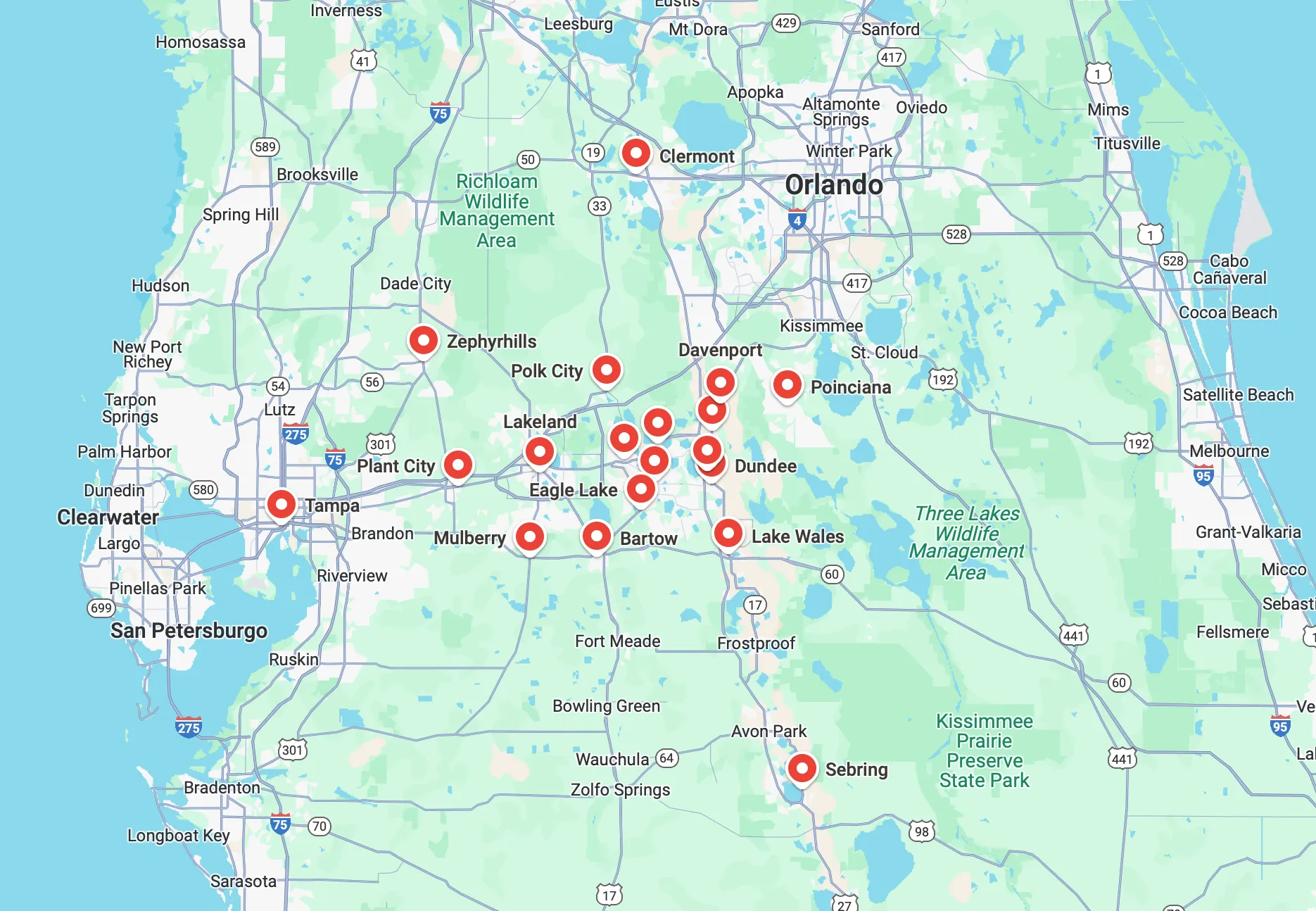
Service Areas