Mini Split AC in Sebring, FL
Mini Split AC in Sebring, FL
Mini split AC systems are a practical, energy-efficient alternative to traditional central HVAC for homes and businesses in Sebring, FL. They deliver targeted cooling and heating without ductwork, which makes them especially useful for older homes, additions, rental units, offices, and commercial spaces where adding ducts is expensive or impractical. In Sebring’s hot, humid climate and frequent summer storms, choosing the right mini-split can improve comfort, lower monthly energy bills, and address indoor humidity problems that central systems sometimes miss.
-min.jpeg)
Types and features of mini split systems
Mini splits come in several configurations to fit different spaces and installation needs:
- Single-zone wall-mounted units: common for bedrooms, living rooms, or small offices.
- Multi-zone systems: one outdoor unit connects to multiple indoor units (wall, ceiling cassette, floor console, or ducted concealed units) to cool or heat several rooms independently.
- Ceiling cassette and concealed-duct indoor units: ideal for finished interiors where aesthetics matter.
- Floor or low-wall units: useful for rooms without wall space or for retrofit situations.
- Heat pump mini splits: provide both cooling and efficient heating (useful for mild Florida winter nights and shoulder seasons).
- Smart features: Wi-Fi controls, occupancy sensors, scheduling, and integration with home automation systems.
- Air quality features: washable filters, PM2.5 filtration, and enhanced dehumidification—important in Sebring’s humid months.
Typical capacity ranges run from about 6,000 BTU for small rooms to 36,000 BTU for larger zones, with multi-zone systems sized by combined load.
Benefits of ductless cooling and heating in Sebring homes and businesses
- Zoned comfort: independently control temperature by room to reduce wasted cooling and match different occupants’ preferences.
- Lower duct losses: eliminates the typical 20–30% energy loss found in leaky or long duct runs.
- Faster installation and minimal disruption: wall- or ceiling-mounted units require only a small refrigerant line and electrical connection.
- Improved humidity control: many mini splits have strong dehumidification modes that help keep indoor humidity comfortable during Sebring’s humid summers.
- Retrofit-friendly: perfect for historic or slab-on-grade homes where adding ducts is costly.
- Quiet operation: indoor units run quietly compared with many window units or older central systems.
- Year-round comfort: heat-pump units provide efficient heating during cooler months without a separate furnace.
Sizing and zoning considerations
Proper sizing is critical to system performance. Oversized units short-cycle, reducing dehumidification and increasing wear; undersized units can’t maintain comfort on peak days. Key steps:
- Perform a load calculation: consider square footage, ceiling height, insulation, window orientation (south- and west-facing windows increase load), number of occupants, and local solar exposure typical of Sebring.
- Choose single vs multi-zone: use single-zone for isolated spaces (guest rooms, offices) and multi-zone for whole-house comfort with individualized control.
- Plan indoor unit placement: high on an interior wall for wall units, centralized for cassettes; avoid blocking airflow with furniture and place sensors away from direct sun.
- Account for humidity: in Sebring, select units with good dehumidification capabilities or models offering dedicated dry modes.
- Line set length and elevation changes: longer runs reduce efficiency and may require larger outdoor units or design adjustments.
A licensed HVAC technician should perform Manual J/Multi-Zone load calculations to determine the correct capacity and layout.
Energy-efficiency ratings and features to prioritize
- SEER (Seasonal Energy Efficiency Ratio): higher SEER means lower cooling energy use; modern mini splits commonly range from mid-teens to the high-20s SEER. For Sebring’s long cooling season, a higher SEER reduces operating costs.
- HSPF / HSPF2 (for heating performance): relevant if you use the heat pump for heating in cooler months.
- Inverter-driven compressors: variable-speed operation provides stable temperature control, better dehumidification, and higher efficiency than single-speed systems.
- Energy Star certification: look for certified models where available.
- Corrosion-resistant coatings: useful in Florida environments to prolong outdoor unit life (especially closer to coastal areas).
Recommended brands and model families
Reliable manufacturers with strong mini split product lines include:
- Mitsubishi Electric (high efficiency, strong reliability, advanced controls)
- Daikin (range of sizes, efficient heat pumps, proven performance)
- Fujitsu Halcyon (quiet operation, good dehumidification)
- LG (feature-rich units, Wi-Fi and smart controls)
- Panasonic (solid performance, good filtration options)
- Gree, Midea, and Samsung (value and mid-range choices; some models suited to DIY installations)
Choose a brand and model based on efficiency ratings, humidity control performance, warranty coverage, and installer familiarity in the Sebring market.
Comparing mini splits to central HVAC
- Installation flexibility: mini splits win for rooms or buildings without ducts or where duct retrofit is costly.
- Upfront cost: mini splits can be more expensive per ton than central systems but often cheaper than full duct replacement.
- Operating cost: mini splits typically run more efficiently for zone-based cooling and reduce wasted energy from conditioning unused spaces.
- Indoor air quality: ductless systems avoid duct-borne dust/mold issues but require regular filter maintenance.
- Longevity and maintenance: both systems require regular service; correct installation of a mini split is essential to achieve expected life and efficiency.
Common issues and professional solutions
- Improper sizing or poor load calculation: resolve with a professional Manual J and right-sized equipment.
- Refrigerant leaks or incorrect charge: only certified HVAC technicians should handle refrigerant; leaks must be repaired and recharged properly.
- Condensate drainage problems: use condensate pumps or proper gravity drains to prevent backups and water damage.
- Poor placement or airflow blockages: relocate units or adjust louvers for even room distribution.
- Lack of maintenance: routine filter cleaning, coil checks, and annual inspections maintain efficiency and indoor air quality.
- Electrical and permitting mistakes: ensure the electrical service, breaker sizing, and permits meet local code and manufacturer warranty requirements.
Maintenance tips and Sebring-specific considerations
- Clean or replace filters regularly during high-use months to maintain airflow and dehumidification.
- Schedule annual professional checkups before the summer peak to verify refrigerant charge, clean coils, and inspect outdoor units after storm season.
- Consider surge protection or generator compatibility if power outages are a concern during hurricane season.
- Elevate outdoor units or secure them according to local code for storm resilience and better drainage after heavy rains.
- Prioritize models with strong dehumidification and corrosion protection for long-term reliability in Florida’s humid climate.
Mini split systems are an effective, efficient solution for many Sebring properties—especially where zoning, retrofit flexibility, humidity control, and lower operating costs matter. Selecting the right system means matching capacity and indoor unit styles to your spaces, prioritizing high-efficiency inverter models, and ensuring professional installation and maintenance tuned to Sebring’s climate realities.

Customer Testimonials

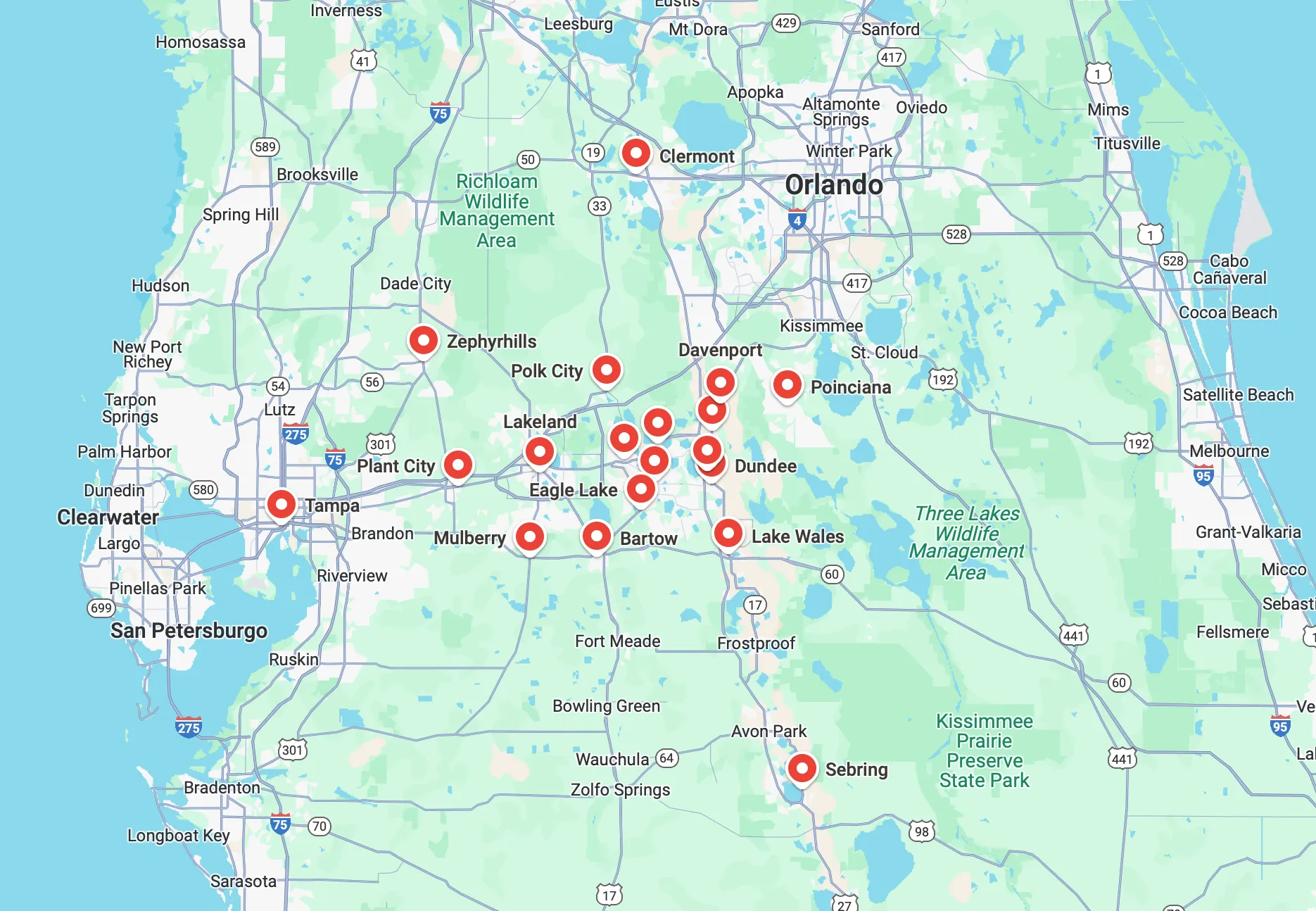
Service Areas