Mini Split AC in Plant City, FL
Mini Split AC in Plant City, FL
When Florida heat and humidity are at their peak, a reliable cooling solution that delivers targeted comfort and lower energy bills becomes essential. Mini split AC in Plant City, FL provides efficient, ductless cooling and heating for single rooms, additions, or whole homes without the disruption of ductwork.
.webp)
Why choose a mini split for Plant City homes
Plant City experiences long, humid cooling seasons and hot summer afternoons. That makes energy-efficient, zoned cooling particularly valuable. Mini splits offer:
- Zoning and precise control - cool only the rooms you occupy to reduce wasted energy.
- Retrofit friendliness - install in older or historic homes and additions without ripping out walls for ducts.
- Humidity control - modern inverter-driven units manage humidity better than older single-speed systems.
- Higher seasonal efficiency -inverter compressors and high SEER ratings lower monthly cooling costs in extended warm months.
Types of mini split systems
- Single-zone mini split: One outdoor condenser paired with one indoor wall or ceiling unit. Ideal for a single room, garage conversion, or home office.
- Multi-zone mini split: One outdoor condenser connected to two or more indoor units. Best for multiple rooms or whole-home systems where individual room control is desired.
- Heat pump mini splits: Provide both cooling and efficient heating for mild Plant City winters - useful for year-round climate control.
Common mini split AC issues in Plant City
Plant City-specific conditions like humidity, pollen, and hot summers influence system performance. Typical issues include:
- Incorrect sizing (undersized units struggle on hot afternoons; oversized units short-cycle and fail to dehumidify).
- Poor refrigerant charge or leaks causing low cooling capacity.
- Inadequate placement of outdoor units in direct sun or poor airflow leading to reduced efficiency.
- Clogged condensate drains or filters from high humidity and pollen, causing water leaks or reduced airflow.
- Electrical wiring or breaker problems, particularly in older homes with limited circuits.
- Corrosion or wear from humid conditions if outdoor units are not maintained.
Sizing guidance and load considerations
Proper sizing is critical for performance and longevity. A professional load calculation (Manual J) accounts for:
- Square footage and ceiling height
- Insulation levels and attic ventilation
- Window area, orientation, and glazing
- Number of occupants and internal heat gains (appliances, lighting)
- Local climate factors like summer peak temperatures and humidity
General guidance: specify systems based on a room-by-room assessment rather than rough BTU rules of thumb. For Plant City, choosing slightly higher efficiency (higher SEER) and inverter technology improves comfort during extended high-temperature periods.
Energy efficiency and SEER ratings
- SEER (Seasonal Energy Efficiency Ratio) measures cooling efficiency across a season. Higher SEER equals lower operating costs.
- For Plant City’s long cooling season, selecting a unit with a higher SEER and variable-speed inverter compressor is cost-effective over the life of the system.
- Look for units with advanced features such as multi-stage compressors, auto-swing airflow, and humidity control modes to maintain comfort during sticky Florida weather.
Model comparisons and brand options
Common, reliable brands for mini split systems include:
- Mitsubishi Electric: Known for reliability, quiet operation, and efficient inverter technology.
- Daikin: Strong overall performance and a wide range of capacity and indoor unit styles.
- Fujitsu: Good reputation for residential systems and efficient operation.
- LG: Known for smart features, design options, and competitive pricing.
- Gree and Panasonic: Often cost-effective choices with solid warranty programs.
When comparing models, weigh performance, SEER, warranty coverage, local parts availability, and service support. Higher upfront cost for premium models can yield better efficiency and lower lifetime operating cost.
Installation and retrofit process
Typical professional installation steps:
- Site survey and load calculation to determine zones and capacities.
- Select indoor unit styles (wall-mounted, floor-mounted, cassette, or ducted indoor units).
- Mount indoor units and run small refrigerant lines, electrical conduit, and condensate drain through a small 3-inch hole or chase.
- Place outdoor condenser in a shaded, ventilated location with proper clearances and mounting.
- Vacuum and charge refrigerant, complete electrical connections, and commission the system with performance testing.
- Ensure permits and local code compliance as required for Hillsborough County and Plant City regulations.
Advantages: minimal structural disruption, faster install times, and flexibility for phased upgrades.
Financing and rebate considerations in Plant City, FL
- Financing: Many homeowners use manufacturer financing, HVAC-specific loans, or home improvement financing to spread equipment and installation costs. Loan terms and approvals vary.
- Rebates and incentives: Energy-efficiency rebates are sometimes available from local utilities or state programs for high-efficiency heat pump systems. Federal tax incentives for qualifying energy-efficient heat pump installations may also apply depending on current programs.
- Recommendation: Verify available utility rebates and federal tax credits before purchase and select equipment that meets program requirements for higher rebates or incentives.
Maintenance, warranty, and expected lifespan
- Regular maintenance extends life and preserves efficiency: clean or replace filters monthly during heavy use, annual professional tune-ups to check refrigerant charge, electrical connections, coil cleanliness, and condensate drains.
- Typical lifespan is 12 to 20 years depending on usage, maintenance, and unit quality.
- Keep records of maintenance to maintain warranty coverage and to support any future rebate or incentive claims.
What a consultation and quote will include
A comprehensive consultation and quote for mini split AC in Plant City usually includes:
- On-site assessment or virtual survey to review space, insulation, windows, and electrical capacity.
- Professional load calculation and zoning recommendations.
- Equipment options, SEER comparisons, and brand pros and cons tailored to your needs.
- Detailed estimate breaking out equipment, installation scope, permit and inspection costs, and anticipated timeline.
- Explanation of warranty terms, maintenance needs, and potential rebates or financing options.
- Clarification of disruption levels, placement options for indoor and outdoor units, and steps for permitting and final inspection.

Customer Testimonials

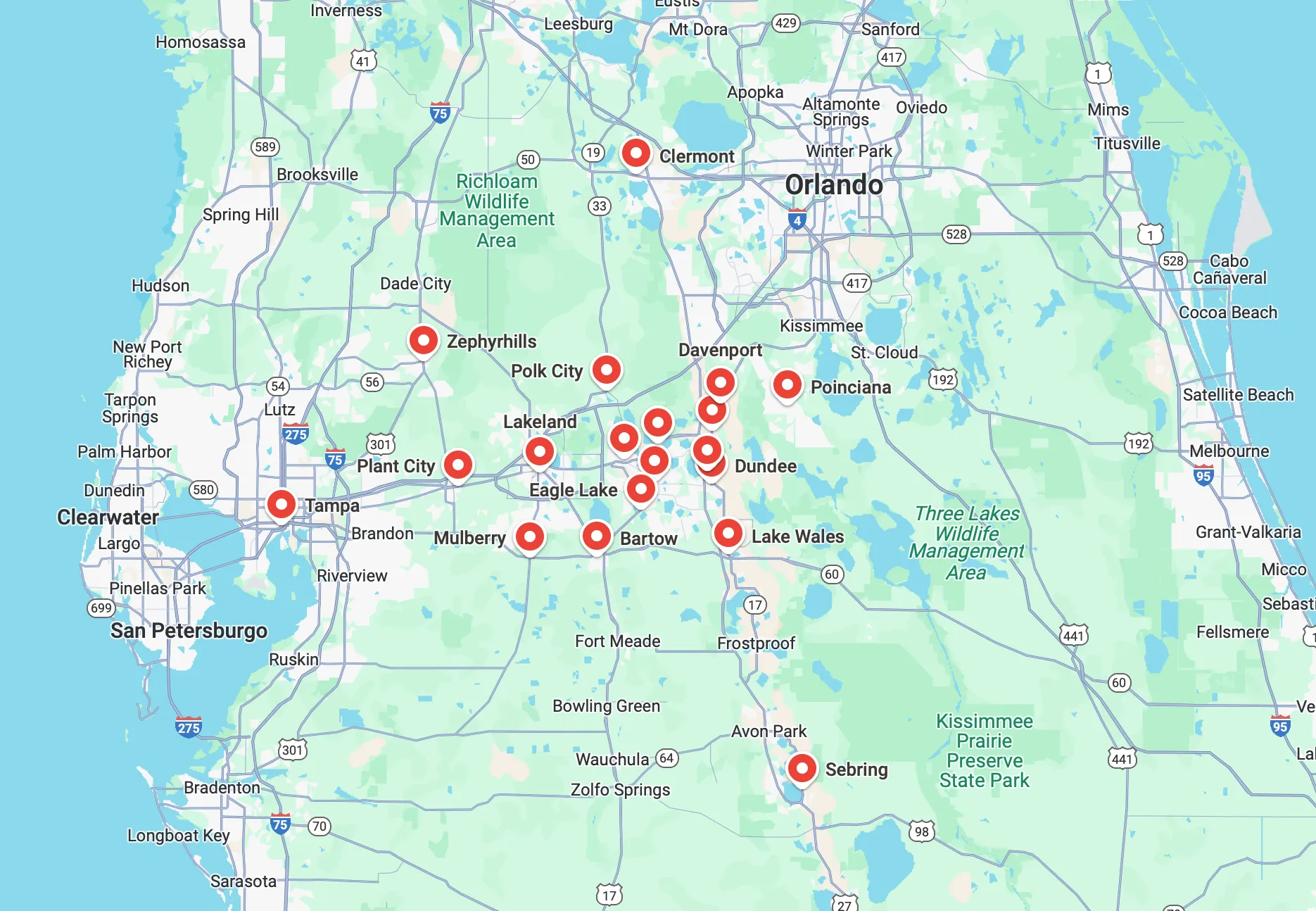
Service Areas