Whole House Air Filtration in Bartow, FL
IAQ Whole-House Air Filtration in Bartow, FL
Clean indoor air protects health, reduces allergy and asthma flare-ups, and helps HVAC systems run more efficiently. For homes in Bartow, FL, where high humidity, seasonal pollen, and mold-friendly conditions are common, an IAQ whole-house air filtration solution addresses airborne particles, odors, and biological contaminants throughout your living space - not just in one room.
Why whole-house filtration matters in Bartow, FL
Bartow’s humid subtropical climate and central-Florida vegetation create a year-round challenge for indoor air quality. Common local contributors include:
- High pollen counts in spring and fall (oak, grass, ragweed) that trigger allergies.
- Persistent humidity that encourages mold spores and dust mite populations.
- Agricultural and landscape treatments that can introduce volatile organic compounds (VOCs).
- Increased HVAC run-times during hot months, moving more outdoor contaminants indoors.
A whole-house system treats the air circulating through your existing HVAC, reducing allergens and irritants in every room without relying on portable units.
Common whole-house filtration issues Bartow homeowners face
- Recurring allergy and asthma symptoms despite regular cleaning.
- Lingering musty odors from mold in ducts or crawl spaces after storms.
- Heavy dust buildup on surfaces and HVAC components.
- Reduced comfort or higher energy use because filters are too restrictive or improperly installed.
- Indoor odors or chemical smells from household products and nearby agricultural activities.
Identifying these symptoms early helps match the right filtration approach to your home’s specific needs.
Whole-house filtration options (what each does)
- True HEPA whole-house systems: True HEPA removes 99.97% of particles down to 0.3 microns. Best for allergy and asthma sufferers when installed as a dedicated bypass or in-line air cleaner that won’t overload the HVAC blower.
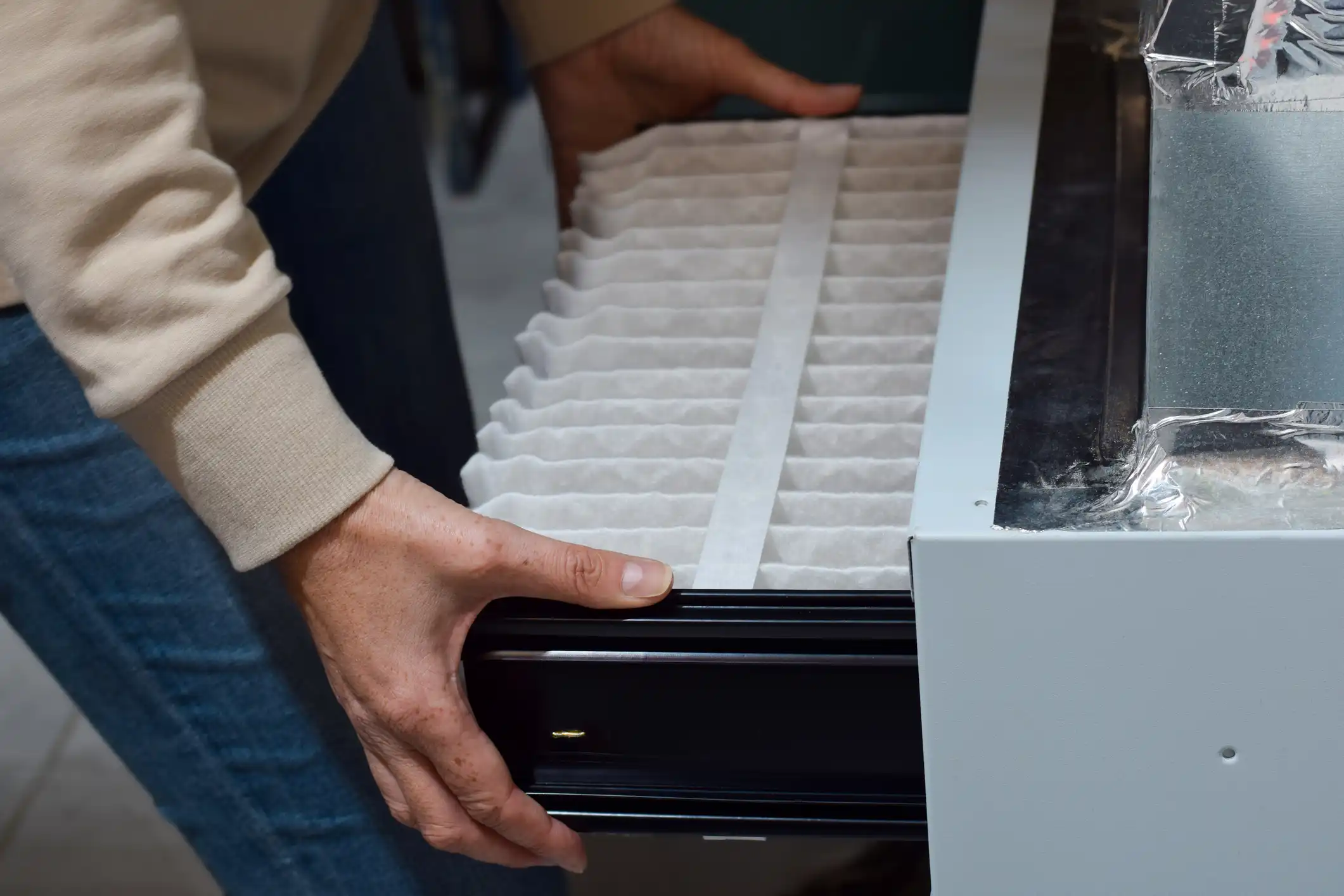
- High-MERV media filters: MERV-rated media (MERV 8–13+) captures a wide range of particulates while fitting common filter slots. Higher MERV values trap smaller particles but require assessment for airflow impact.
- Activated carbon/charcoal filters: Target odors, VOCs, and smoke by adsorbing gaseous contaminants — useful after landscaping treatments or for homes near agricultural activity.
- Electronic air cleaners (electrostatic precipitators): Charge and capture fine particles with reusable collection cells. Effective on fine dust but require routine cleaning and may produce small amounts of ozone if older designs are used.
- UV-C germicidal lights: Installed near the coil to control microbial growth on cooling coils and surfaces. UV helps reduce mold and bacteria but does not remove particulates by itself.
- Combination systems: Layered approaches (media + carbon + UV) deliver broad protection for allergens, odors, and microbes.
Choosing the right combination depends on allergy severity, presence of odors or VOCs, and your HVAC system’s capacity.
Diagnostic and installation process
- Home assessment: Inspect ductwork, measure airflow, check filter slots, evaluate humidity levels, and identify contamination sources.
- System selection: Recommend filtration type(s) based on assessment and health priorities (e.g., asthma control, odor removal).
- Duct and HVAC prep: Seal leaks, install return pathway improvements if needed, and confirm the blower can handle selected filters without excessive pressure drop.
- Installation: Mount whole-house unit, media filter frame, carbon stage, UV lights, or dedicated HEPA air handler as specified. Installations typically include secure mounting, electrical connections for powered components, and integration with the existing system controls.
- Commissioning and testing: Verify airflow, static pressure, and run a baseline particulate/VOC test if requested. Provide homeowner orientation on operation and maintenance.
Professional evaluation avoids common problems such as reduced airflow from incorrectly selected high-MERV filters or improper placement of UV lights.
Compatibility with existing HVAC systems
- Most modern forced-air systems can accommodate media filters up to certain thicknesses and modestly higher MERV ratings. Older systems or low-capacity blowers may need a bypass HEPA cabinet or a dedicated air handler.
- Electronic cleaners and UV installations require electrical access and space near the coil or return plenum.
- Duct sealing and return-path optimization often improve filtration effectiveness and are frequently recommended as part of a whole-house upgrade.
A proper compatibility check ensures filtration improves air quality without causing strain on the HVAC system.
Maintenance and ongoing care
- Inspect filters monthly during high-use seasons (summer and peak pollen periods); replace or service according to system type.
- Media filters generally need replacement every 3–12 months depending on MERV rating and local air conditions.
- Electronic cell cleaning is usually required quarterly to semiannually.
- UV-C lamps typically need replacement annually to maintain effectiveness.
- Schedule a professional inspection annually to test airflow, check seals, and verify system performance — particularly before peak allergy seasons in Bartow.
Managing indoor humidity (target 40–50%) reduces mold and dust mite growth; combining dehumidification with filtration yields better results in Bartow’s climate.
Benefits for allergy and asthma sufferers
- Reduced airborne pollen, pet dander, and dust reduces triggers and can decrease symptom frequency and intensity.
- Removal of mold spores and biological contaminants lowers risk of asthma exacerbations tied to indoor mold growth after humid weather.
- Odor and VOC reduction improves overall symptom relief for chemical sensitivities.
- Consistent whole-home treatment prevents contaminant migration between rooms, giving uniform protection for bedrooms and living areas.
For households with severe asthma or multiple allergy sufferers, multi-stage systems incorporating true HEPA and activated carbon are often recommended after an initial assessment.
Service quality and performance assurance
Reliable IAQ whole-house installations include documented workmanship warranties, manufacturer parts warranties for components such as UV lamps and electronic cells, and post-installation verification of airflow and basic IAQ metrics. Clear maintenance schedules and follow-up inspections help preserve performance over time.
Practical local advice for Bartow homeowners
- Time major maintenance or system tune-ups before spring pollen peaks and before the hottest months to maximize effectiveness.
- Combine filtration upgrades with humidity control to tackle mold and dust mite issues common in central Florida.
- Use lower-VOC household products and ventilate after using chemicals to reduce the burden on filtration systems.
- Keep return grilles and supply registers clear of obstructions to maintain proper circulation and filtration efficiency.
Whole-house IAQ filtration tailored to Bartow homes reduces airborne triggers and protects both health and HVAC performance. When balanced with proper humidity control and regular maintenance, it delivers measurable improvement in indoor comfort and respiratory health.

Customer Testimonials

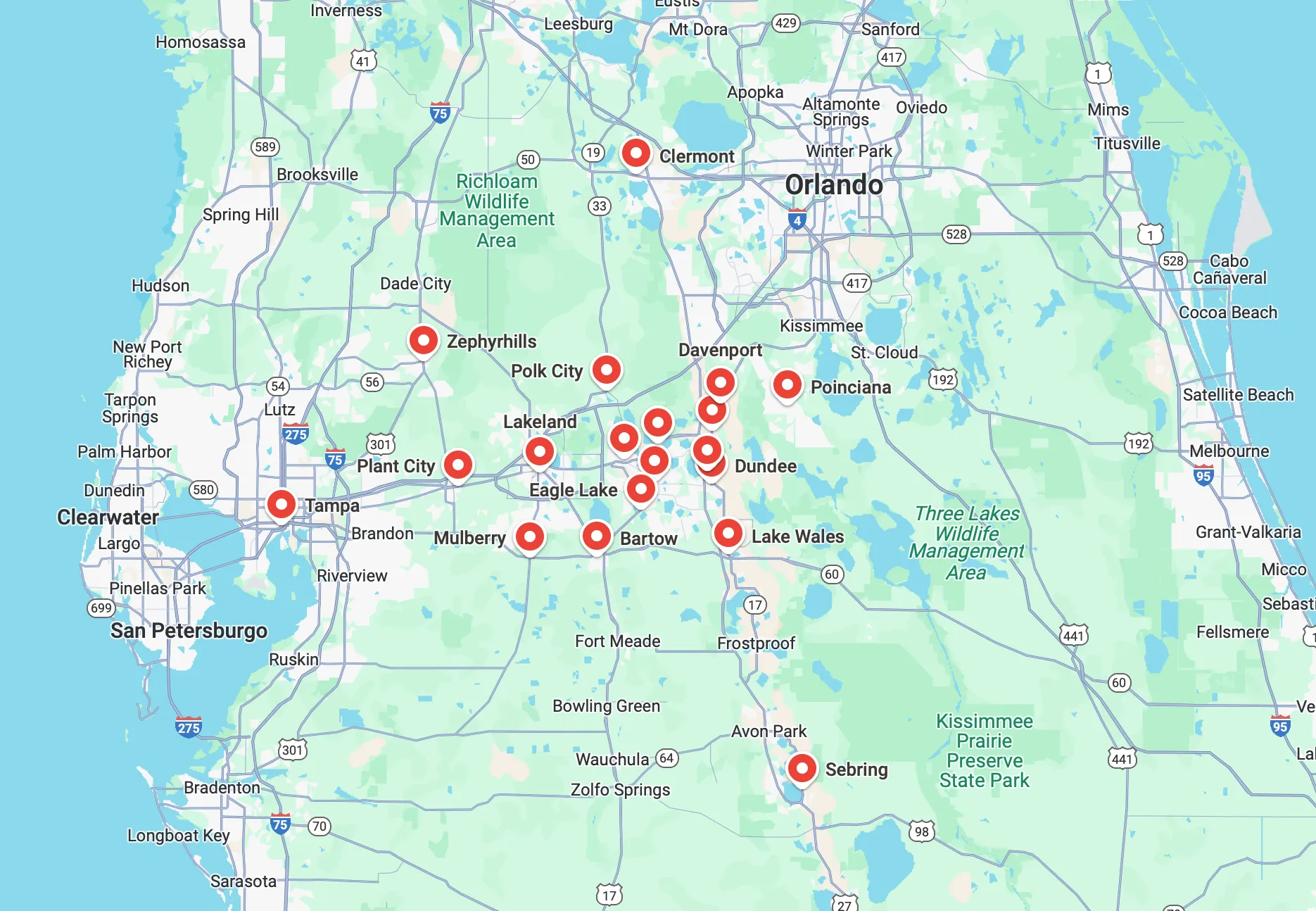
Service Areas