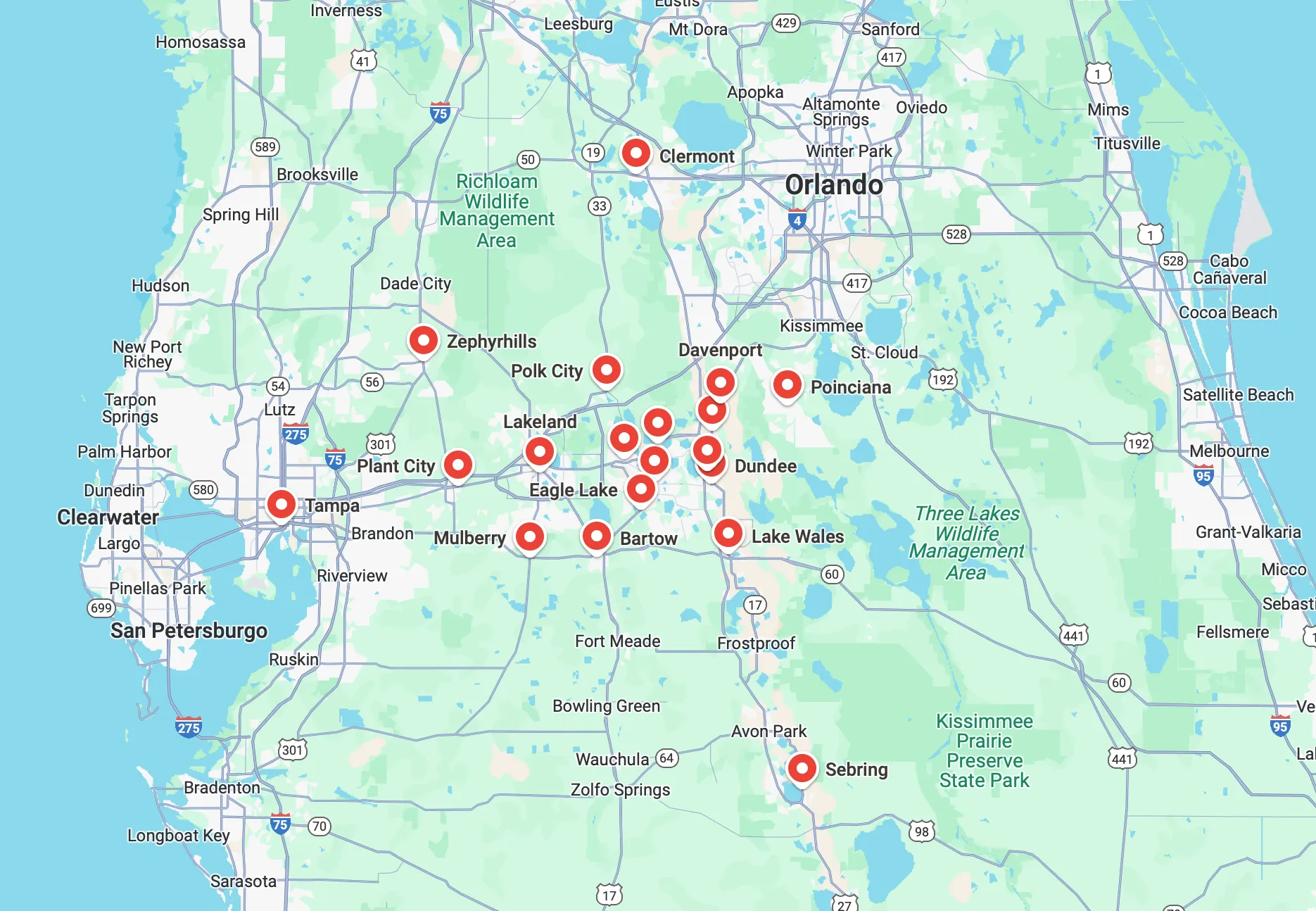
Air Quality Testing in Zephyrhills, FL
IAQ Air Quality Testing in Zephyrhills, FL
Indoor air quality testing for Zephyrhills homes identifies invisible health and comfort risks so you can make targeted, effective improvements. IAQ Air Quality Testing in Zephyrhills, FL covers particulate matter, volatile organic compounds (VOCs), humidity, CO2, and mold indicators using established sampling methods and laboratory analysis. Because Zephyrhills experiences high humidity, seasonal pollen, and periodic storm-driven water intrusion, testing is especially valuable for preventing mold growth, reducing allergy triggers, and improving overall indoor comfort and safety.
.jpeg)
Why IAQ testing matters in Zephyrhills, FL
- High humidity and warm temperatures create ideal conditions for mold growth and dust mite activity.
- Seasonal pollen and agricultural dust can elevate indoor particulate levels when windows are open.
- Older or poorly ventilated homes commonly trap contaminants, increasing VOC and CO2 concentrations and reducing perceived air freshness.
Testing gives objective data so remediation decisions are based on measured conditions rather than guesswork.
What we test in Zephyrhills homes
- Particulate matter (PM2.5 and PM10): Fine and coarse particle concentrations measured in micrograms per cubic meter (ug/m3). High PM can worsen allergies and respiratory conditions.
- VOCs (volatile organic compounds): Indoor chemical emissions from paints, adhesives, cleaning products, and finishes measured in parts per billion (ppb). Elevated VOCs can cause headaches, irritation, or long-term health concerns.
- Humidity and temperature: Continuous or spot measurements to identify conditions that promote mold and dust mites. Relative humidity above about 60 percent increases mold risk in Zephyrhills climate.
- Carbon dioxide (CO2): Measured in parts per million (ppm) as an indicator of ventilation effectiveness and occupant comfort.
- Mold indicators: Air and surface sampling for mold spores, plus moisture mapping. Testing may include spore trap samples, surface tapes or swabs, and moisture readings in building materials.
Common IAQ problems in Zephyrhills, FL homes
- Poor ventilation leading to elevated CO2 and stale air in tightly sealed or insulated residences.
- Mold growth after hurricane season or from unseen roof, wall, or plumbing leaks.
- High indoor humidity and condensation in attics, crawl spaces, and bathrooms.
- VOC spikes after renovations, new furniture, or application of paints and sealants.
- Increased indoor particulates from outdoor pollen, nearby agricultural activity, or proximity to busy roads.
How testing works: sampling methods and laboratory analysis
- Initial walkthrough and assessment: A technician evaluates the home layout, potential sources, occupant concerns, and areas of visible moisture or staining. This informs strategic placement of sampling equipment.
- Real-time monitoring: Direct-reading instruments record PM2.5, PM10, VOCs, CO2, temperature, and relative humidity over a defined period to capture daily patterns and occupant activities.
- Pump-based air sampling: For particulate and mold spore analysis, pump-driven samplers collect a known volume of air onto filters or spore traps. These samples are sent to a certified laboratory for microscopic counting and identification.
- Sorbent tube sampling for VOCs: VOCs are collected onto sorbent tubes and analyzed by gas chromatography-mass spectrometry (GC-MS) to identify and quantify specific compounds when required.
- Surface sampling and moisture mapping: Tape lifts, swabs, or bulk samples may be taken from visible or suspected mold areas. Moisture meters and infrared inspection may be used to locate hidden dampness.
- Laboratory reporting: Results provide concentrations, species identification for mold when applicable, and comparison to commonly used guidance values. Reports include context about what the numbers mean for health and comfort.
Interpreting results and recommended improvements
Test results translate into prioritized, practical recommendations tailored to the home and Zephyrhills climate. Typical remediation and improvement options include:
- Filtration upgrades
- Install or upgrade HVAC filters to higher MERV ratings where equipment allows, and consider portable HEPA filtration for problem rooms.
- Use sealed filter housings and maintain regular filter replacement to reduce particulate and allergen load.
- Ventilation improvements
- Increase controlled outdoor air exchange to reduce CO2 and VOC build-up. Options include balanced ventilation systems, energy recovery ventilators, or improving exhaust in kitchens and bathrooms.
- Simple procedural changes like timed bathroom fans and controlled window opening during low pollen times can help.
- Moisture control and mold remediation
- Address sources: repair roof or plumbing leaks, improve drainage, and seal penetrations that allow humid outdoor air into crawlspaces and attics.
- Use dehumidification in humid seasons to maintain relative humidity below 50 percent when possible. Remediation for localized mold may include targeted cleaning, containment, and removal of contaminated materials following best practice protocols.
- Source control for VOCs
- Remove or isolate high-emitting products, allow extended airing-out after renovations, and select low-VOC materials for future projects.
- Use activated carbon filtration for certain VOCs when indicated by lab results.
- Behavioral and maintenance actions
- Routine HVAC maintenance, duct cleaning when contamination is verified, and proper use of exhaust fans during cooking and showering reduce recurrent IAQ problems.
Scheduling, follow-up testing, and verification
Scheduling typically aligns with homeowner availability and can include pre-testing before remediation, diagnostic testing during investigations, and post-remediation clearance testing. Follow-up testing is recommended when:
- Remediation actions are complete to verify contaminant reductions.
- Seasonal changes are expected to alter IAQ (for example, before and after the humid season).
- New construction or renovation work occurs that might reintroduce VOCs or particulates.
Post-remediation reports compare baseline and follow-up results, showing quantified improvements and any remaining concerns. Regular periodic testing is appropriate for homes with recurring moisture problems, ongoing health symptoms, or significant changes in occupancy or building systems.
Benefits of having IAQ Air Quality Testing in Zephyrhills, FL
Accurate IAQ testing delivers certainty: it identifies true sources, prevents unnecessary interventions, and supports cost-effective improvements. In Zephyrhills homes, testing helps protect against mold-related damage after storm events, reduces allergy and asthma triggers from local pollen and particulates, and improves comfort in hot, humid conditions. Objective data also informs contractors, HVAC professionals, and indoor environmental specialists so remediation is targeted and verifiable.
Regular monitoring and targeted follow-up testing create a documented path to healthier indoor air, better comfort, and reduced long-term repair risk in Zephyrhills homes.

Customer Testimonials

Service Areas