HVAC Tune Up in Tampa, FL
HVAC Tune Up in Tampa, FL
Keeping your HVAC system running reliably and efficiently in Tampa, FL is essential. With long, hot summers, high humidity, salty air and frequent storm events, Tampa homes put heavy seasonal stress on heating and cooling equipment. A professional HVAC tune up in Tampa, FL is focused on maximizing cooling performance, preventing mid-season failures, improving indoor air quality, and reducing energy costs through a targeted seasonal inspection and maintenance plan.
.webp)
Why a seasonal HVAC tune-up matters in Tampa
- Tampa’s long cooling season and high humidity mean your system runs more hours than in many other climates. More runtime increases wear and the chance of component failure.
- Coastal salt and moisture accelerate corrosion of outdoor coils, fan blades and electrical connections, which degrades efficiency and reliability.
- High humidity and persistent condensate increase the risk of mold and clogged drain lines, reducing indoor air quality and drainage.
- Severe weather and hurricanes can loosen fasteners, damage outdoor units, and introduce debris that affects performance.
A well-executed tune-up addresses these Tampa-specific risks and restores the system to peak performance before the heaviest use periods.
What a full HVAC tune up in Tampa, FL includes
A comprehensive seasonal tune-up follows a detailed inspection checklist and a set of diagnostic and optimization steps. Typical elements include:
Inspection checklist
- Visual inspection of outdoor and indoor units for corrosion, debris and storm damage
- Examination of electrical connections, breakers and contactors for wear or overheating
- Check of refrigerant pressures and system operating temperatures
- Inspection of coils, blower wheel, and air handler for dirt, mold or obstruction
- Verification of drain pan and condensate drain line condition and flow
- Inspection of belts, pulleys and moving parts for wear or alignment issues
- Thermostat calibration and control logic verification
- Safety control and limit switch testing
- Airflow and static pressure assessment
Cleaning and basic service items
- Coil and blower cleaning: Remove dirt, pollen and biological growth from evaporator and condenser coils and clean the blower wheel to restore heat transfer and airflow.
- Filter replacement or verification: Replace disposable filters or inspect reusable filters; recommend filter type for Tampa’s pollen and humidity.
- Drain cleaning: Clear the condensate drain and trap to prevent clogs, overflow and mold growth.
- Outdoor unit clearing: Remove debris, trim vegetation and straighten bent fins to restore airflow.
- Lubrication of moving parts: Lubricate motors, bearings and linkages where applicable to reduce friction and extend life.
Mechanical and refrigerant checks
- Refrigerant level checks: Measure pressures and temperatures to confirm correct refrigerant charge. Low charge often indicates a leak that requires locating and repairing before recharging.
- Belt and pulley replacement: Replace worn belts and adjust tension to avoid slippage and noise.
- Capacitors and contactors: Test start capacitors and contactors for reliable compressor and fan starts; replace marginal components that frequently fail under load.
- Belt and motor alignment: Ensure fans and motors are aligned and balanced to reduce vibration and wear.
Controls and safety testing
- Thermostat and control verification: Calibrate thermostats, verify setpoint response and test programmable schedules if present.
- Safety controls: Test high-pressure and low-pressure cutouts, float switches and other safety devices to prevent damage or hazardous conditions.
- System performance optimization: Measure temperature split across the evaporator coil and adjust airflow or refrigerant to achieve optimal cooling and efficiency.
Common HVAC problems found during Tampa tune-ups and how they’re fixed
- Dirty evaporator or condenser coils - reduces cooling capacity and raises energy use. Fixed by professional coil cleaning and fin straightening.
- Restricted airflow from clogged blower, dirty filters or blocked ducts - corrected by cleaning blower, replacing filters and advising on duct issues.
- Low refrigerant from leaks - requires leak detection and repair, then proper recharging and performance verification.
- Corroded electrical connections and outdoor terminals - cleaned and tightened; severely corroded parts replaced to avoid failure.
- Clogged condensate drain or microbial growth - drain cleaning and application of safe antimicrobial treatment to prevent recurrence.
- Failing start components (capacitors/contactors) - tested and replaced before they cause compressor or motor damage.
What to expect during the tune-up appointment
A full seasonal tune-up typically begins with a walkthrough and visual assessment of the system, followed by testing with gauges and meters to record baseline performance. Technicians will clean coils and blowers if needed, replace or advise on filters, and perform lubrication and safety testing. Final steps include measuring operating temperatures and pressures, documenting any issues found, and making adjustments to restore efficiency. After the service, you should notice steadier temperatures, quieter operation, and often lower energy use.
Benefits of regular tune-ups for Tampa homes
- Improved reliability during the hottest months when system failure is most disruptive
- Better energy efficiency and lower cooling costs throughout the long Tampa cooling season
- Extended equipment life by reducing stress on motors, compressors and moving parts
- Fewer emergency repairs and lower lifecycle maintenance costs
- Healthier indoor air through cleaner coils, functioning drains, and appropriate filtration
- Faster recovery after storms because components are inspected for corrosion and secure mounting
Seasonal timing and maintenance frequency
In Tampa, schedule a primary tune-up in late spring or early summer before peak cooling demand. Consider a mid-season check for drain lines and outdoor unit condition after heavy pollen periods or storm events. Homes with high indoor humidity or long runtimes may benefit from twice-yearly attention to keep corrosion and microbial growth under control.
Simple homeowner tips to protect your HVAC between tune-ups
- Replace disposable filters monthly during peak cooling months or use high-quality pleated filters recommended for your system.
- Keep at least two feet of clearance around outdoor units and rinse off salt and debris occasionally.
- Watch for unusual odors, noises, or higher energy bills and document when they occur.
- Keep thermostat setpoints moderate; extreme setpoint changes increase runtime and wear.
- Clear foliage and debris after storms to prevent airflow restriction and corrosion acceleration.
A professional HVAC tune up in Tampa, FL tailored to local climate challenges is an investment in comfort, reliability and energy savings. Proper seasonal maintenance addresses the common Tampa-specific stressors—humidity, salt air and heavy cooling demand—so systems perform better when it matters most.

Customer Testimonials

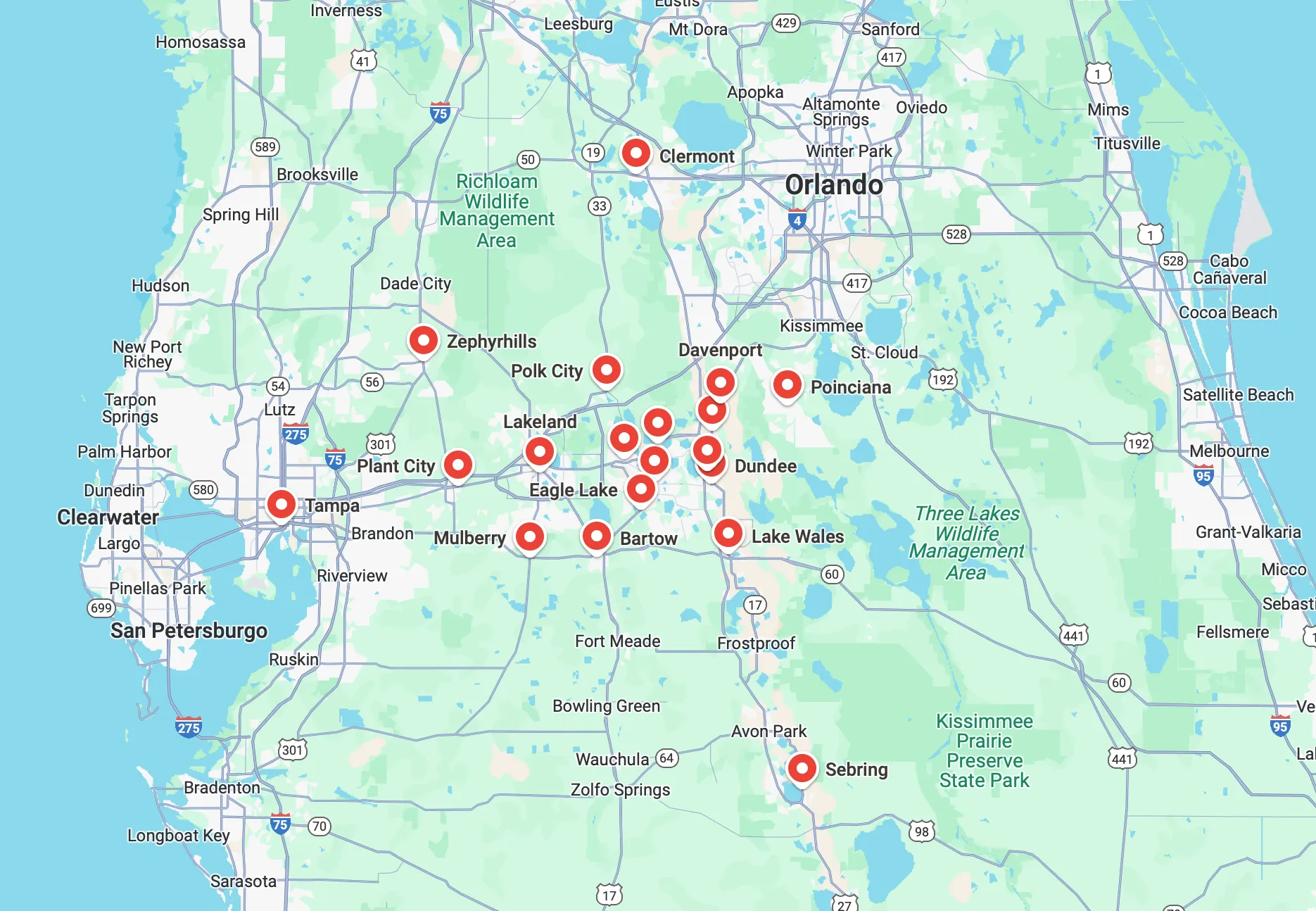
Service Areas