HVAC Tune Up in Lake Alfred, FL
HVAC Tune Up in Lake Alfred, FL
Keeping your HVAC system tuned and tested is essential in Lake Alfred, FL, where long warm seasons, high humidity, and seasonal storms put continuous strain on cooling equipment. A professional HVAC tune up identifies small issues before they become emergency repairs, restores system efficiency, and helps maintain consistent comfort in your home.
.webp)
Common HVAC problems in Lake Alfred, FL
Florida’s climate creates specific wear patterns and failure modes. Common HVAC tune-up issues homeowners see in Lake Alfred, FL include:
- Reduced airflow from clogged filters and duct dust leading to higher energy use and uneven cooling.
- Dirty evaporator and condenser coils from pollen, yard debris, and algae growth that reduce heat transfer.
- Refrigerant leaks or incorrect charge causing poor cooling performance and longer run times.
- Corroded electrical connections and failing capacitors from frequent cycling and humidity.
- Clogged condensate drains and pans fostering mold and water damage.
- Worn blower motors or belts that reduce airflow and strain the system.
- Thermostat calibration or control issues that cause short cycling or temperature swings.
- Vulnerability to power surges after storms that can damage controls and compressors.
What a seasonal HVAC tune-up includes
A comprehensive HVAC tune up in Lake Alfred, FL covers inspection, cleaning, performance testing, and documentation of findings. Key elements include:
- Visual and operational inspection of the outdoor unit, indoor air handler, ductwork, and controls.
- Filter check and replacement or recommendation for the correct MERV rating for your home.
- Coil cleaning (indoor evaporator and outdoor condenser) to restore heat exchange efficiency.
- Motor, blower, belt, and pulley inspection and lubrication as applicable.
- Refrigerant level check and leak detection.
- Electrical testing: voltage, amperage, contactor, capacitor, and wiring condition.
- Condensate drain cleaning and pan treatment to prevent clogs and microbial growth.
- Thermostat calibration and control sequence verification.
- Performance testing: temperature split, airflow, static pressure, and run-time analysis.
- A written service report with recommended repairs, energy-saving suggestions, and maintenance intervals.
Detailed inspection checklist
Below are the specific items technicians examine during a tune-up and why they matter:
- Filters: Confirm correct size and condition. Dirty filters reduce airflow and strain compressors.
- Coils: Inspect for dirt, bent fins, and biological growth. Dirty coils cause higher energy consumption.
- Motors and bearings: Check for wear and lubrication needs to prevent premature failure.
- Belts and pulleys: Inspect for cracks, glazing, or slack that can reduce blower performance.
- Refrigerant levels: Measure charge and check for leaks; improper charge lowers efficiency.
- Electrical components: Test voltage, current draw, capacitors, and contactors to detect failing parts.
- Thermostat and controls: Ensure accurate sensing and proper staging to avoid short cycling.
- Condensate system: Clear blockages, test float switches, and verify proper drainage.
- Ductwork basics: Look for disconnections, visible leaks, or excessive dust impacting airflow.
- Safety switches and bake-out cycles for heat pump systems: Verify safe operation.
Cleaning and maintenance procedures
A tune-up does more than inspect. Typical cleaning and service steps include:
- Replacing or cleaning air filters to restore airflow.
- Gentle coil cleaning for indoor and outdoor coils, including fin straightening as needed.
- Clearing and flushing condensate lines; treating drain pans to slow microbial growth.
- Cleaning the blower wheel and housing to eliminate dust buildup that reduces airflow.
- Removing debris and vegetation from around the outdoor unit to ensure proper airflow.
- Tightening electrical connections and testing components under load.
- Applying lubrication to motors and linkages where manufacturer allows.
- Verifying proper refrigerant access service ports and sealing or labeling leak locations.
Performance testing and reporting
After cleaning and adjustments, technicians perform performance tests to quantify system health:
- Temperature split (supply vs return) to confirm proper cooling performance.
- Refrigerant pressure and superheat/subcool measurements to verify correct charge.
- Amperage and voltage testing of compressors and fans to detect electrical stress.
- Static pressure or airflow readings to ensure ducts and filters are not restricting flow.
- Run-time analysis and cycling behavior to determine efficiency and wear patterns.
Technicians should provide a clear service report summarizing test results, items inspected, what was cleaned or replaced, and recommended repairs or upgrades. Reports often include energy-saving tips and priority recommendations to prevent breakdowns during peak heat.
Recommended maintenance intervals for Lake Alfred, FL
Florida’s climate makes regular maintenance more important than in milder regions. Recommended intervals:
- Biannual tune-ups (spring before peak cooling season and fall before milder months) for most homes to maintain efficiency and reliability.
- Quarterly checks or filter replacements for homes with pets, allergies, or heavy seasonal pollen exposure.
- Annual refrigerant leak inspection and full system diagnostic for older systems or units under warranty that require documented maintenance.
Plan a tune-up ahead of the hottest months and before hurricane or storm season to reduce the risk of failures when comfort matters most.
Benefits of regular HVAC tune-ups
Keeping up with seasonal tune-ups delivers measurable benefits for Lake Alfred homes:
- Improved energy efficiency and lower utility bills through cleaned coils and correct refrigerant charge.
- Greater reliability and fewer emergency repairs during peak summer heat.
- Extended equipment life by reducing strain and wear on major components.
- Better indoor air quality by addressing filters, coils, and condensate lines that harbor allergens and mold.
- Compliance with warranty requirements that often require documented maintenance.
- Safer operation through electrical checks and detection of potential hazards.
- Predictable budgeting with prioritized recommendations instead of surprise breakdowns.
What to expect when scheduling seasonal appointments
When you schedule seasonal HVAC service, expect a technician to:
- Confirm a service window and arrive with tools, testing equipment, and common replacement parts.
- Perform a walk-through to note system access, indoor units, and any homeowner concerns.
- Complete inspection, cleaning, and testing while explaining findings in plain terms.
- Leave a written service report outlining what was done, test results, and any recommended next steps or parts needed.
Preparing for a visit: ensure access to indoor units, clear space around the outdoor condenser, and note any recent performance symptoms such as odd noises, odors, or uneven cooling to help prioritize diagnostics.
Regular HVAC tune-ups in Lake Alfred, FL protect comfort and investment in a climate that demands reliable cooling. Seasonal maintenance keeps systems running efficiently, prevents avoidable failures, and helps you plan for repairs or upgrades based on clear, tested information.

Customer Testimonials

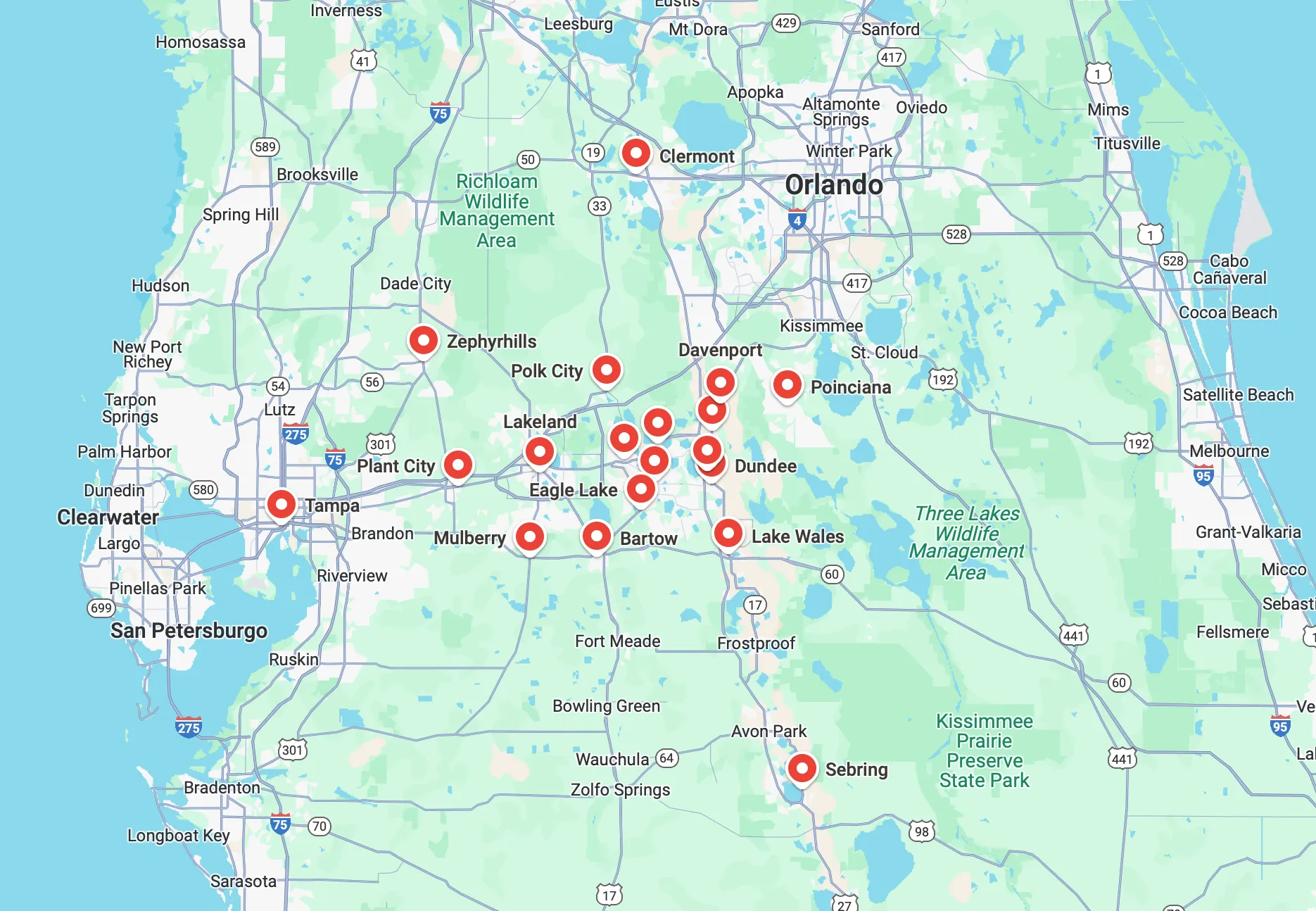
Service Areas