HVAC Service in Sebring, FL
HVAC Service in Sebring, FL
Keeping your cooling and heating systems reliable is essential for comfort and indoor air quality in Sebring, FL. With hot, humid summers, sudden storm seasons, and year-round humidity, HVAC systems in local homes work harder than in many other parts of the country. Professional HVAC service in Sebring, FL includes routine inspections, performance tuning, filter and component replacements, indoor air quality checks, thermostat and control system support, and efficiency recommendations designed for local conditions.
.webp)
Why local HVAC service matters in Sebring, FL
Sebring’s climate places unique demands on HVAC systems:
- High humidity increases cooling load and raises mold and mildew risk inside ducts and condensate pans.
- Long cooling seasons mean components wear faster and refrigerant leaks or compressor issues are more common.
- Summer storms and occasional power outages can cause control board failures or surge damage.
- Many homes use heat pumps or central air systems that require seasonal balancing to prevent short-cycling and loss of efficiency.
Addressing these local stressors through targeted maintenance keeps systems running efficiently, prevents premature failures, and improves indoor comfort and health.
Common HVAC issues in Sebring, FL homes
Most service calls in Sebring involve predictable problems that are aggravated by heat and humidity:
- Reduced cooling capacity or uneven cooling across rooms
- Frequent cycling, short cycles, or system that runs constantly
- Excess humidity, condensation, or musty odors indicating mold or trapped moisture
- Frozen evaporator coils from airflow problems or low refrigerant
- Thermostat inaccuracies or communication issues with smart controls
- Clogged drains or standing water around the condensate pan
- Worn capacitors, fan motors, or compressor stress from extended use
Recognizing these issues early through routine inspections prevents larger repairs and helps maintain efficiency.
What a routine HVAC service visit includes
A comprehensive service visit is diagnostic and preventive. Typical steps performed during regular maintenance in Sebring, FL:
- System inspection: visual check of indoor and outdoor units, electrical connections, control wiring, and safety switches
- Airflow assessment: measure return and supply airflow, check blower assembly and motor condition, and inspect filters
- Refrigerant check: assess pressures and temperatures to detect leaks or undercharge conditions
- Condensate system check: clear drain lines, inspect condensate pan, and verify proper drainage to avoid moisture buildup
- Performance tuning: adjust blower speed, refrigerant charge if needed, and calibrate thermostat settings
- Component servicing: tighten electrical terminals, lubricate motors where applicable, and check belts and pulleys
- Indoor air quality (IAQ) check: inspect filters, evaluate humidity levels, and recommend solutions such as high-efficiency filtration, UV lights, or dehumidifiers
- System safety tests: verify safety controls, limit switches, and proper operation of heat/cool cycles
After inspection, you should receive a clear summary of findings and recommended next steps tailored to Sebring’s climate challenges.
Diagnosing problems - what technicians look for
When performance issues appear, technicians follow a logical diagnostic process:
- Confirm symptoms and history: runtime patterns, recent storms or outages, and any unusual noises or odors
- Verify airflow and temperatures: measure return/supply temps to determine efficiency and cooling capacity
- Test electrical components: capacitors, contactors, relays, and control boards for proper voltage and function
- Check refrigerant system: locate leaks, measure pressures, and inspect coils for frost or blockage
- Inspect ductwork and insulation: find leaks, poor insulation, and return-air issues that reduce performance
- Evaluate controls and thermostats: validate sensors, calibration, and connectivity for smart systems
This methodical approach reduces guesswork and leads to accurate recommendations for repairs or tune-ups.
Common repairs and solutions explained plainly
- Refrigerant leaks: Locating and repairing leaks, then recharging to manufacturer specifications restores cooling capacity and prevents compressor damage.
- Blower and motor repairs: Replacing worn motors or repairing the blower wheel restores airflow, stops short-cycling, and reduces energy use.
- Electrical and control fixes: Replacing failing capacitors, contactors, or control boards protects the system from intermittent shutdowns and surge damage after storms.
- Drain and condensate solutions: Clearing drains, installing larger drain lines, or adding safety switches prevents water damage and mold growth.
- IAQ upgrades: Installing pleated or HEPA-grade filters, UV germicidal lights, or whole-home dehumidifiers reduces allergens and mold in Sebring’s humid climate.
- Thermostat and zoning support: Calibrating thermostats, updating software, or configuring zoning improves comfort and can reduce energy bills.
All repairs are explained in non-technical language so you know what’s being fixed and why it matters.
Efficiency improvements and long-term planning
To make your system last longer and run cheaper, technicians offer efficiency recommendations tailored to Sebring homes:
- Replace filters regularly with high-efficiency models appropriate for your system
- Seal and insulate ducts to prevent cooled air loss in unconditioned spaces
- Consider upgrading to a high-efficiency heat pump designed for humid climates
- Add zoning or programmable thermostats to reduce run times in unused areas
- Schedule seasonal tune-ups before the summer cooling season and before hurricane season to check for storm-related vulnerabilities
These measures reduce wear on equipment and help maintain comfortable, healthy indoor air year-round.
Service agreements, scheduling, and billing
Service agreements provide predictable maintenance that protects systems under heavy local use. Typical features include:
- Scheduled seasonal inspections and priority scheduling during peak months
- Flat-fee tune-ups that include the standard inspection checklist and performance tuning
- Priority response after storms or during heat waves to address urgent failures
- Clear, written service reports after each visit detailing findings and recommended repairs
Scheduling is usually handled with appointment windows and reminders, and visits include on-site diagnostics. Billing models commonly include:
- Flat-rate maintenance fees for routine tune-ups
- Diagnostic fees for problem calls, often credited toward approved repairs
- Written estimates for repairs with approvals required before work begins
- Invoicing by paper or electronic methods with payment terms clearly stated
These transparent processes reduce surprises and help homeowners budget for maintenance and repairs.

Customer Testimonials

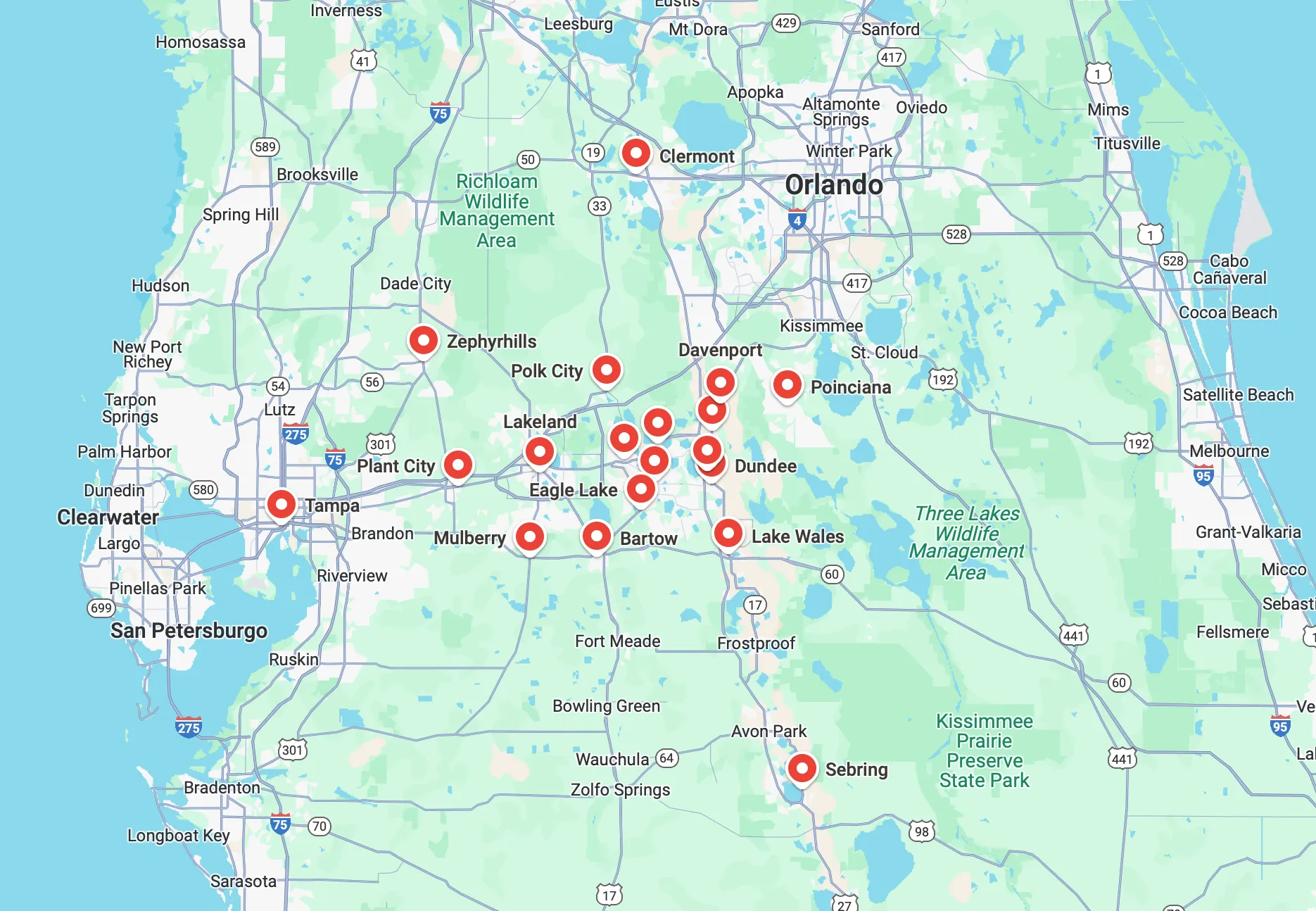
Service Areas