HVAC Replacement in Polk City, FL
HVAC Replacement in Polk City, FL
Replacing an aging or failing HVAC system is one of the most effective ways to improve comfort, reduce utility bills, and avoid repeated emergency repairs in Polk City, FL homes. With long, hot summers and high humidity, central Florida properties place heavy demand on cooling systems. A full-system HVAC replacement involves more than swapping equipment; it requires proper evaluation, right-sizing, efficient installation, and follow-up support to ensure reliable, energy-efficient performance in this climate.
.webp)
Common reasons Polk City homeowners choose full-system replacement
- Frequent breakdowns and rising repair costs on older units
- System age beyond typical service life (10 to 15 years for many air conditioners)
- Poor comfort: uneven cooling, humidity issues, or inadequate airflow
- High energy bills despite regular maintenance
- Old R-22 refrigerant systems that are costly to service
- Duct damage, contamination, or inefficiencies that warrant matched equipment
Evaluation of existing equipment: what a thorough assessment covers
A careful replacement starts with a full-system evaluation that documents current performance and identifies hidden problems:
- Equipment age, model, refrigerant type, and maintenance history
- Visual inspection of the condenser, evaporator coil, blower, and controls
- Refrigerant charge and compressor health checks
- Electrical panel capacity, circuit protection, and safety devices
- Ductwork condition, insulation levels, and leakage testing if needed
- Home load review using a Manual J style calculation to determine actual cooling requirements for your Polk City home
- Indoor humidity concerns and ventilation needs related to Florida weather
This baseline determines whether a simple equipment swap is appropriate or if ductwork, insulation, or ventilation upgrades should be included for a lasting solution.
Comparing replacement options: efficiency, brands, and system types
Choosing the right new system means balancing performance, durability, and operating cost. Key comparison points include:
- Efficiency ratings: SEER for cooling, HSPF for heat pumps. In Polk City, upgrading from older 10 SEER equipment to 15 to 20 SEER units typically lowers cooling energy use substantially.
- System types: Central split systems, heat pumps (common in Florida), packaged units, and ductless mini-splits. Heat pumps are often ideal here because they provide efficient cooling and mild heating without a separate furnace.
- Compressor technology: Single-stage, two-stage, or variable-speed compressors. Variable-speed systems run longer at lower capacity for better humidity control and more even temperatures in high-humidity climates.
- Matched components: Choosing coils and air handlers matched to the outdoor unit improves efficiency and reliability.
- Brand and model considerations: Warranty length, local serviceability, availability of replacement parts, and proven performance in humid climates.
Discuss pros and cons of each option in plain terms-for example, variable-speed systems cost more upfront but often deliver the best humidity control and comfort for Polk City summers.
Removal and disposal of old units
Proper removal follows environmental and local regulations:
- Certified refrigerant recovery to prevent ozone-depleting emissions and compliance with EPA rules
- Safe disconnection of electrical components and removal of outdoor and indoor units
- Recycling of metal, copper, and plastics where facilities exist
- Disposal documentation for any hazardous materials and adherence to Polk County regulations
Proper disposal protects your property and ensures disposal is handled legally and responsibly.
Typical installation steps
A professional replacement follows a clearly defined process to avoid common issues:
- Finalize equipment selection and obtain any required local permits.
- Prepare the site: level pads, set mounting hardware, and protect landscaping.
- Remove existing equipment and inspect service pathways and ducts.
- Install new outdoor unit, indoor coil or air handler, and condensate drainage.
- Connect refrigerant lines, evacuate and charge system to manufacturer specifications.
- Verify electrical connections, breakers, and surge protection if required.
- Startup, system balancing, airflow measurement, and thermostat configuration.
- Demonstrate operation and explain maintenance basics and warranty coverage.
Proper commissioning prevents early failures and maximizes the manufacturer warranty.
Cost estimates and financing options
Replacement cost varies based on system size, efficiency, ductwork condition, and complexity of installation. Influencing factors include:
- Size and SEER rating of the selected equipment
- Need for duct repairs, insulation, or additional zoning
- Electrical upgrades or condenser pad work
- Permits and disposal fees
Financing options commonly available through equipment manufacturers, local lenders, or home improvement loan programs can spread payments. Utility rebates, seasonal incentives, and federal or state efficiency programs may offset upfront cost. A clear estimate should show line items so you can evaluate the best long-term value, not just lowest initial price.
Expected energy savings and payback
Energy savings depend on the starting point and household usage patterns. As a guideline:
- Replacing a 10 SEER system with a 16 SEER system can reduce cooling energy use by roughly 35 to 40 percent under comparable operating conditions.
- Homes with high cooling demand, like Polk City residences that run air conditioners many hours per day during summer, typically see faster payback from efficiency gains.
- Payback periods vary widely but often fall between 3 and 10 years depending on electricity rates, system cost, and available incentives.
An accurate estimate uses your recent energy bills, thermostat settings, and projected hours of operation to calculate a realistic payback timeline.
Post-installation support and warranties
Long-term performance relies on proper warranties and access to service:
- Manufacturer warranties cover parts and compressors for specified terms; extended warranties may be available
- Labor or installation warranties protect against workmanship issues for a stated period
- Seasonal tune-ups and preventive maintenance plans maintain efficiency, prolong equipment life, and uphold warranty conditions
- Aftercare should include startup documentation, a run report, refrigerant charge confirmation, and a homeowner orientation on thermostat settings and air filter care
Reliable post-installation support reduces the chance of early failures and ensures your investment continues to deliver comfort and energy savings.
Benefits and maintenance tips for Polk City homeowners
A correctly executed HVAC replacement improves comfort, lowers energy bills, and reduces unexpected repairs. For Polk City homes, focus on:
- Prioritizing humidity control with variable-speed or proper matched systems
- Ensuring ducts are sealed and insulated to protect against humid infiltration
- Scheduling seasonal inspections before peak summer use and after storm seasons
- Using recommended filtration and ventilation to reduce indoor allergens and moisture-related issues
Making informed choices about equipment, proper sizing, and quality installation delivers the most reliable, cost-effective outcome for homes in Polk City, FL.

Customer Testimonials

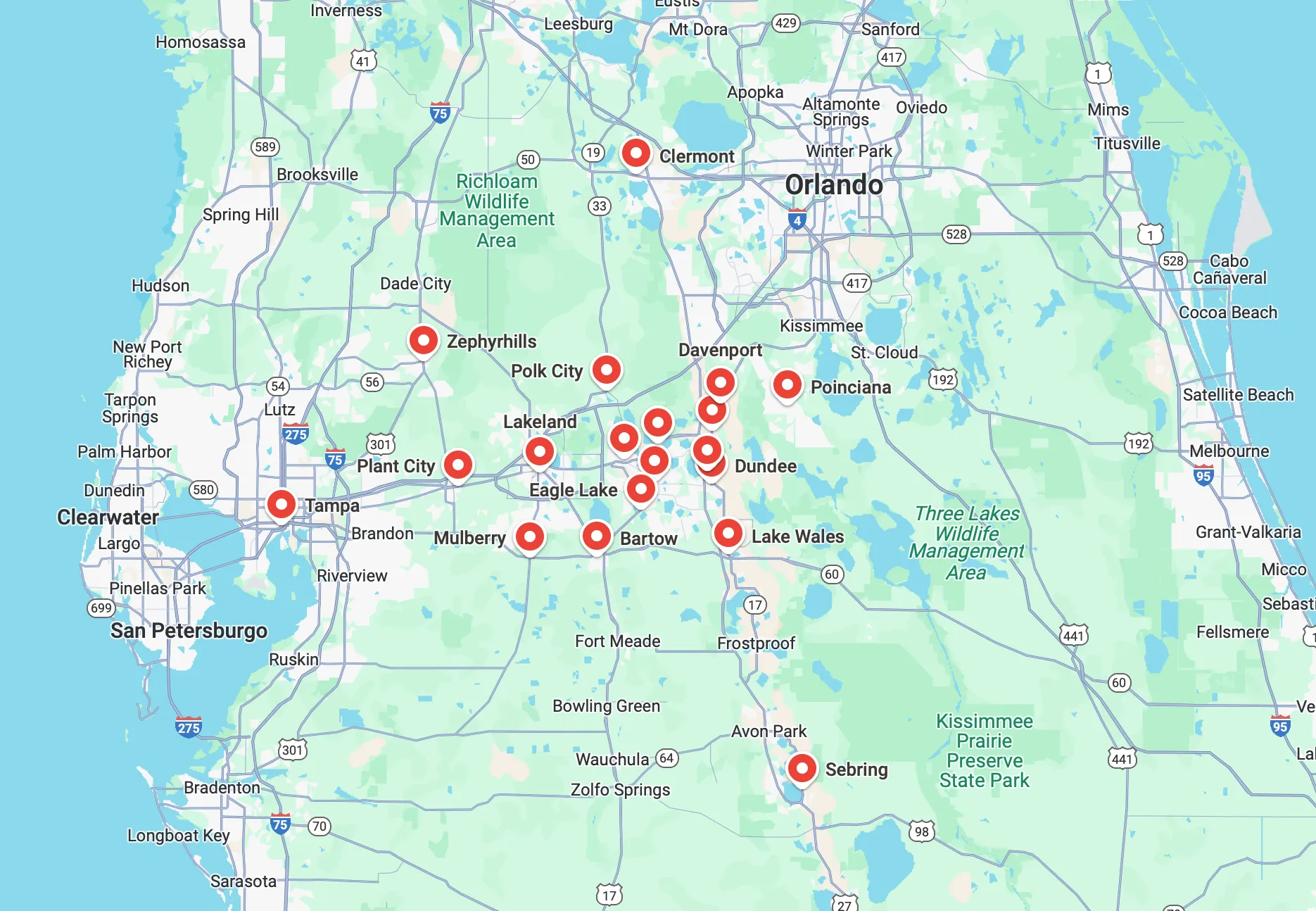
Service Areas