HVAC Replacement in Plant City, FL
HVAC Replacement in Plant City, FL
Replacing an aging or unreliable HVAC system is a major decision for Plant City homeowners. With long, humid summers, high cooling demand, and seasonal storms, the right replacement system improves comfort, lowers energy costs, and reduces the risk of mid-summer breakdowns.
.webp)
When to Replace vs Repair
Deciding between repair and replacement is about long-term value, reliability, and safety. Consider replacement when you see one or more of the following:
- The system is more than 10 to 15 years old and uses outdated refrigerants or low-efficiency technology. Older units lose efficiency and can fail suddenly during peak season.
- Repairs are frequent or costly relative to the age of the equipment. Repeated compressor, coil, or major component failures are a sign the system is near end of life.
- Your monthly energy bills are rising even with regular maintenance. Lower system efficiency drives higher cooling costs in Plant City’s hot, humid climate.
- Indoor comfort problems persist after repairs, such as uneven cooling, high indoor humidity, or poor indoor air quality.
- The system contains regulated refrigerants that require replacement to meet current environmental rules.
- The home is being upgraded for resale and a modern, efficient HVAC system will add market value.
Common HVAC Replacement Issues in Plant City
- Overworked compressors from extended summer use
- Corroded outdoor units from humidity and storm exposure
- Inadequate cooling capacity for added home improvements or insulation changes
- Duct leakage or undersized ducts reducing system efficiency
- Old thermostats or control systems that limit energy-saving features
Factors That Influence Replacement Decisions
- Age and condition of the existing system
- Historical repair frequency and cost
- Current system efficiency and SEER rating (explained below)
- Home cooling load needs after any recent remodeling
- Ductwork condition and compatibility with new equipment
- Local code requirements related to wind resistance, elevation, or refrigerant handling
- Availability of rebates, utility incentives, or tax credits that reduce net cost
Replacement Options and What They Mean
- Central split systems (standard): Common choice for Plant City homes. Consists of an outdoor condensing unit and indoor air handler. Good for whole-home cooling when paired with properly sized ducts.
- High-efficiency systems: New units with higher SEER ratings use less electricity and improve comfort. Higher SEER is especially beneficial in hot climates.
- Heat pumps: Efficient option that provides both cooling and heating. Modern heat pumps perform well in Florida’s mild winters and high cooling loads.
- Ductless mini-splits: Ideal for room additions, garages converted to living space, or homes without ductwork. Provide zoned control and lower installation disruption.
- Matched system upgrades: Replacing both outdoor and indoor components together ensures the manufacturer’s rated efficiency and reliability.
- Add-on indoor air quality equipment: Electronic air cleaners, whole-home dehumidification, and ventilation upgrades reduce humidity and allergens common in Plant City homes.
Cost Components (non-numeric breakdown)
Replacement cost is driven by several components:
- Equipment type and efficiency level (SEER, heat pump vs AC)
- Labor for removal, installation, and system startup
- Ductwork repairs, sealing, or modifications needed for proper airflow
- Permits and inspections required by local jurisdictions
- Refrigerant recovery and disposal handled to EPA rules
- Electrical upgrades such as dedicated circuit or surge protection
- Optional add-ons like smart thermostats, dehumidifiers, or UV lights
Removal and Disposal of Old Equipment
Proper disposal matters for safety and regulatory compliance:
- Refrigerant must be recovered by EPA-certified technicians to prevent atmospheric release. This is required for safe, legal disposal.
- Metal and school-grade materials are recycled where possible; compressors, coils, and copper are processed per local recycling rules.
- Debris and packaging from installation are removed and disposed of according to county waste guidelines.
- Documentation of refrigerant recovery and disposal procedures is maintained for compliance.
Energy Savings and Expected Benefits
Upgrading to a modern, properly sized, high-efficiency system can:
- Reduce cooling energy use substantially compared with systems older than a decade, often delivering noticeable monthly savings
- Improve humidity control, a major comfort factor in Plant City’s humid summers
- Provide more consistent temperatures and better airflow throughout the home
- Extend useful life and reduce emergency repair risk during peak heatActual savings depend on existing equipment condition, system selection, home envelope, and usage patterns. A professional load calculation and efficiency comparison will provide a realistic estimate for your home.
Local Incentives and Considerations
Plant City homeowners may have access to:
- Utility rebates and seasonal incentive programs for high-efficiency equipment through local electric providers
- Federal or state energy efficiency tax credits that apply to qualifying systems or heat pumps
- Manufacturer promotions or special financing that reduce up-front costsAvailability and eligibility vary, so assessing these options as part of the replacement plan can improve net cost-effectiveness.
Installation Process and Timelines
A typical replacement follows these steps:
- Pre-install inspection and system assessment, including duct evaluation and a Manual J load calculation (determines correct system size).
- Equipment selection and verification that the chosen unit fits the home’s ventilation and electrical capabilities.
- Permit submission and scheduling: local building department approvals may be required before work begins.
- Removal of the old equipment with safe refrigerant recovery and disposal.
- Installation of the new system, replacement or modification of ductwork if needed, and any electrical work.
- Start-up, system balancing, thermostat programming, and homeowner orientation on operation and maintenance.
- Final inspection and documentation for warranty and compliance.For most standard replacements in Plant City, expect one to three days from removal to fully operational system. More extensive ductwork or structural changes can extend the timeline.
Financing Options
Several financing paths can help manage replacement cost:
- Manufacturer financing programs that offer terms for qualifying equipment
- Home improvement loans or personal financing from banks or credit unions
- Property assessed financing where available, enabling repayment through property tax assessments
- Utility financing or payment plans tied to energy-efficient upgrades
- Combining incentives and rebates with financing to lower monthly impactReview terms, interest rates, and repayment timelines to choose the best fit for your financial situation.
Maintenance and Longevity Tips
- Schedule annual maintenance before the cooling season: filter checks, coil cleaning, and performance verification prolong life and preserve efficiency.
- Keep outdoor units clear of debris and maintain proper airflow around the condenser.
- Replace air filters regularly and consider whole-home humidity control to reduce strain.
- Address duct leaks and insulation issues to maximize the efficiency of a new system.
Replacing an HVAC system in Plant City, FL is a strategic investment in comfort, energy efficiency, and reliability. With the right equipment, proper sizing, and code-compliant installation, homeowners gain better indoor comfort during hot, humid months and greater peace of mind during storm season.

Customer Testimonials

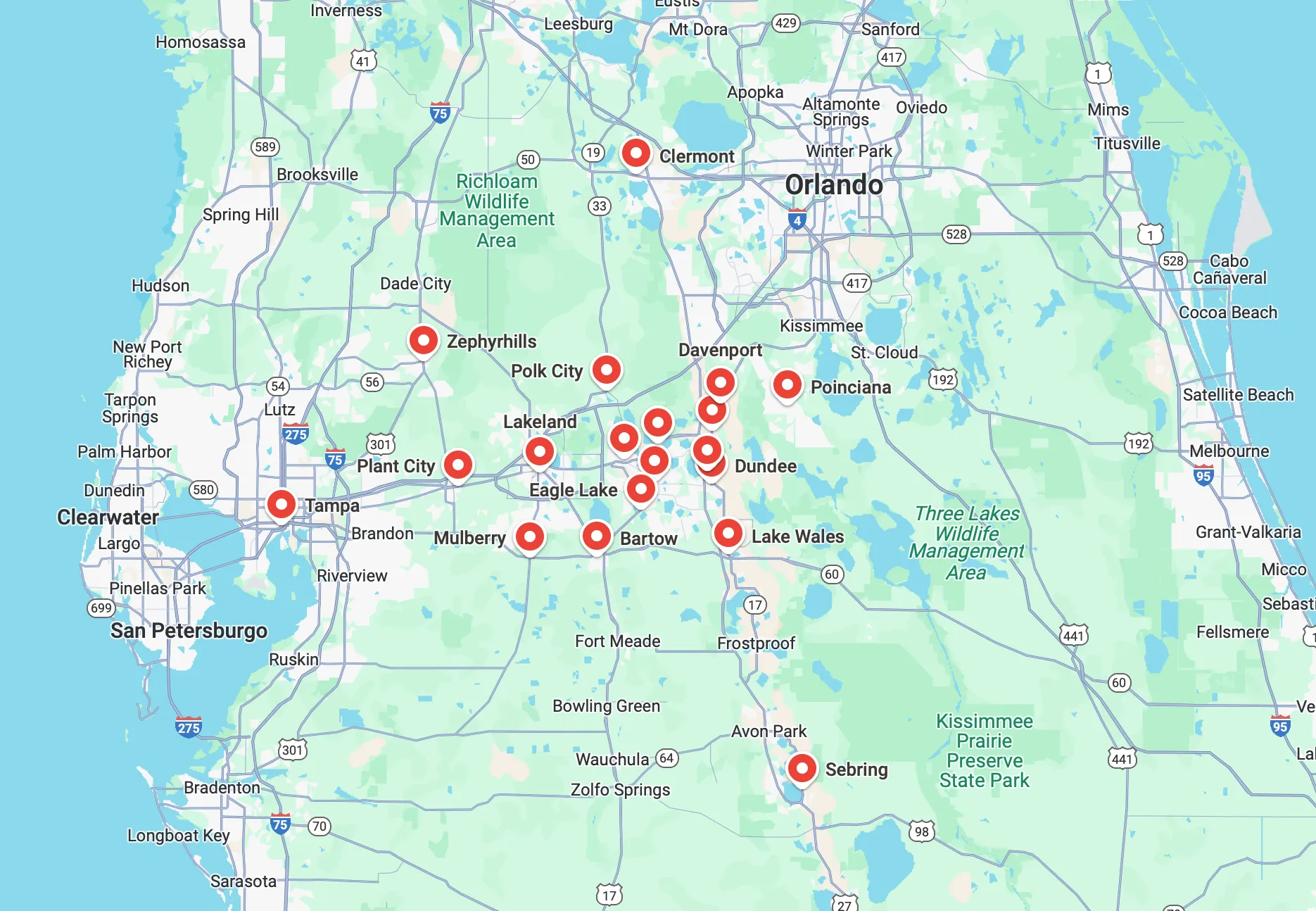
Service Areas