HVAC Replacement in Bartow, FL
HVAC Replacement in Bartow, FL
Upgrading your HVAC system is one of the most impactful improvements you can make for comfort, indoor air quality, and energy savings-especially in Bartow, FL where long, hot, humid summers and frequent storms place heavy demand on cooling equipment.
.webp)
Why replacement matters in Bartow homes
Bartow’s climate means cooling systems work year-round. Older or undersized systems struggle to keep up, run constantly, and create moisture and indoor air quality issues. Replacing an outdated unit can:
- Reduce run time and lower humidity indoors
- Improve comfort and temperature consistency
- Cut energy use with modern high-efficiency equipment
- Eliminate frequent emergency repairs and refrigerant concerns
- Address code, permitting, and safety issues proactively
Common signs replacement is recommended
Technicians will recommend replacement when several of the following are present:
- System age of 10 to 15+ years (older systems lose efficiency and components become obsolete)
- Frequent breakdowns or rising repair frequency and costs
- Poor cooling capacity, uneven rooms, or high indoor humidity
- Use of phased-out refrigerants such as R-22 (limited supply, higher service costs)
- Rapidly increasing energy bills despite routine servicing
- Visible rust, compressor failure, or damaged coils
How technicians assess whether to replace
A qualified technician will perform a thorough evaluation that usually includes:
- System age, service history, and component condition
- Measured airflow, refrigerant charge, and temperature splits
- Duct leakage and insulation condition (especially attic ducts common in Florida)
- Electrical system compatibility and breaker capacity
- Indoor humidity control and thermostat performance
- Load calculation for your home (Manual J) to size a new system correctly
This diagnostic process identifies if a targeted repair will restore reliable performance or if replacement provides better long-term value.
Replacement options and upgraded high-efficiency systems
Modern options tailored to Florida needs include:
- High-SEER heat pumps: Efficient for cooling and mild heating, often the best fit for Central Florida because they both cool and heat and operate efficiently year-round.
- Variable-speed compressors and ECM blowers: Improve comfort, lower noise, and better humidity control by modulating output instead of cycling on and off.
- Two-stage compressors: Provide a longer low-power run for better dehumidification and efficiency.
- Ductless mini-splits: Useful for additions, problematic rooms, or homes without practical duct layouts.
- Smart thermostats and zoning systems: Improve comfort and reduce wasted energy by controlling temperatures by zone.
When choosing, technicians balance upfront efficiency (SEER, HSPF) with suitability for your home, duct system, and humidity control needs.
Replace vs. repair - a practical comparison
- Replace when: The system is old, repairs are repetitive or costly, refrigerant availability is limited, or a proper load calculation shows the system is undersized.
- Repair when: The system is newer, the issue is isolated (like a failed capacitor or fan motor), and the repair cost is reasonable relative to the system’s remaining life.
Technicians will present an objective assessment highlighting long-term operating cost differences and comfort outcomes so you can decide with full context.
Removal, disposal, and permitting
Safe, compliant replacement includes:
- Proper refrigerant recovery and documentation (EPA rules require certified recovery)
- Disposal and recycling of metals and components in accordance with local regulations
- Required permits and inspections under local building codes to ensure safe electrical, refrigerant, and duct connections
Permitting ensures installations meet Florida code and local requirements and helps with future resale and insurance questions.
Retrofit considerations for existing ductwork
Duct condition has a major impact on performance:
- Common attic duct problems in Central Florida: leaks, poor insulation, and crushed or disconnected runs
- Recommended actions: duct sealing with mastic, adding insulation, repairing damaged sections, improving return pathways, or replacing undersized ducts
- In some homes, re-routing or creating conditioned ductwork (within the envelope) improves efficiency and reduces attic heat gain
- Zoning dampers or adding dedicated returns can solve persistent airflow or comfort problems
A comprehensive installation evaluates ducts as part of system sizing—not an afterthought.
Typical project timeline
While timelines vary by job scope and equipment availability, a standard replacement process often follows:
- On-site assessment and load calculation: 1 appointment
- Equipment selection and permit submission: a few days to a few weeks depending on permit processing and equipment lead times
- Installation: commonly 1 to 3 days for most single-family homes, longer if duct replacement or significant electrical upgrades are required
- Startup, system balancing, and final inspection: same day as installation or within a short follow-up
Unexpected issues such as required electrical panel upgrades, custom ductwork, or long equipment lead times can extend the schedule.
Energy rebates and financing options
Many homeowners can reduce net replacement cost through:
- Local utility or state efficiency rebates for high-efficiency equipment or heat pumps
- Manufacturer or dealer financing programs and payment options that spread costs
- Federal incentives for qualifying high-efficiency heat pumps and energy improvements (programs and eligibility can change)
Because incentives vary by program, equipment type, and timing, homeowners should verify current availability and documentation requirements as part of the planning process.
Post-installation warranties and what to expect
Standard warranty components typically include:
- Manufacturer parts and compressor warranties (length varies by model and brand)
- Optional extended warranties for parts and compressors available at purchase
- Installer labor warranties that cover workmanship for a specified period
Documented warranty registration and following recommended maintenance schedules are usually required to keep warranties valid.
Long-term benefits and maintenance advice
Replacing an aging HVAC system yields:
- More consistent indoor comfort and better humidity control in Bartow’s humid climate
- Lower operating stress on home electrical systems and fewer emergency repairs
- Improved indoor air quality when paired with proper filtration and duct sealingTo protect your investment, follow regular maintenance: seasonal filter changes, annual tune-ups, and keeping outdoor units free of debris improve efficiency and extend equipment life.

Customer Testimonials

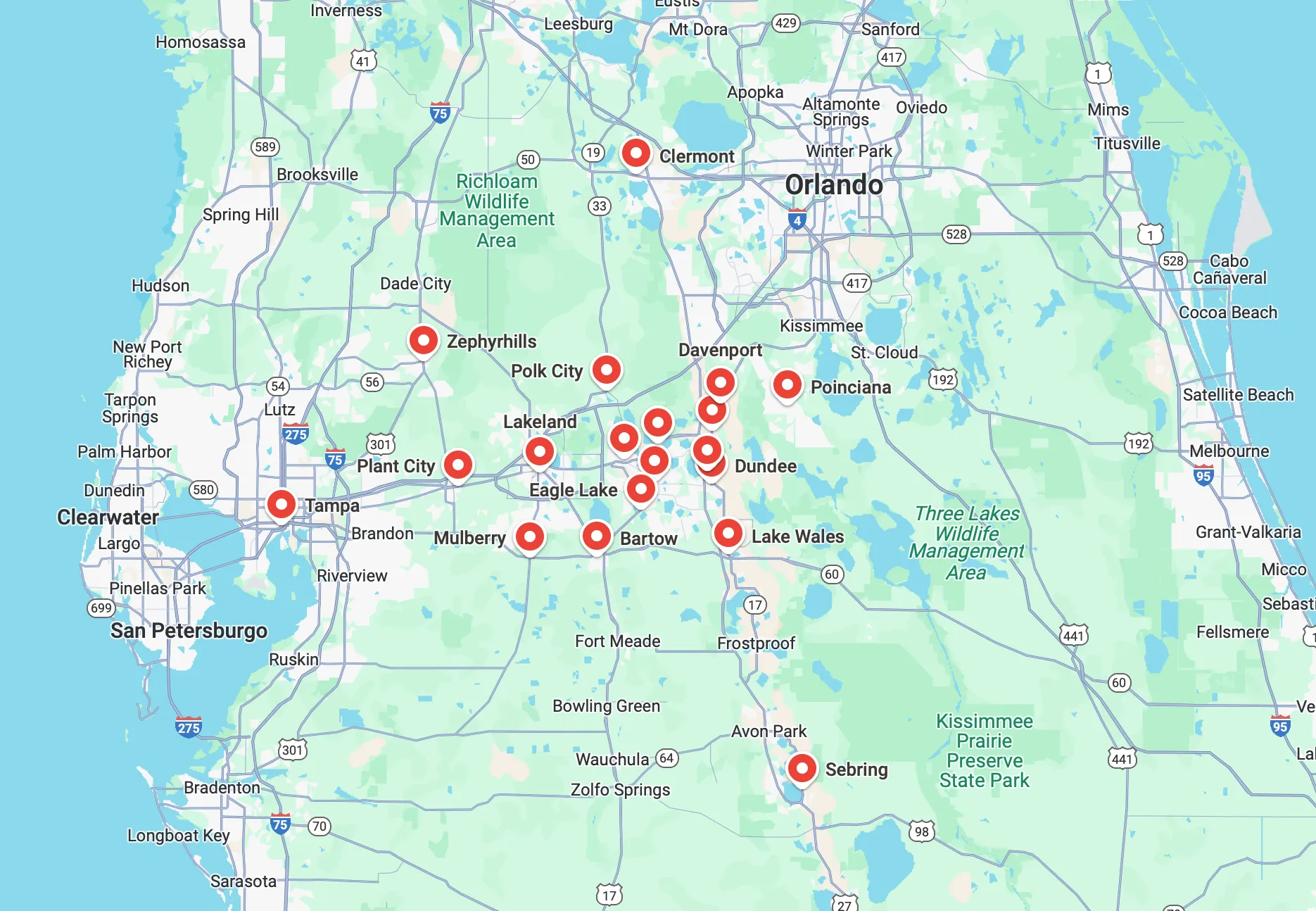
Service Areas