HVAC Repair in Polk City, FL
HVAC Repair in Polk City, FL
When your heating or cooling system fails in Polk City, FL, comfort and indoor air quality go from simple conveniences to urgent needs. Polk City homeowners face long, humid summers with frequent thunderstorms and a hurricane season that can stress HVAC systems.
.jpeg)
Why timely HVAC repair matters in Polk City, FL
- High heat and humidity increase run times for air conditioners, accelerating wear and raising the risk of breakdown during extreme weather.
- Heavy storms and power surges can damage outdoor units, electrical components, and controls.
- Excess moisture encourages coil corrosion, clogged drains, and indoor mold growth when systems are not cooling or dehumidifying properly.Prompt diagnosis and repair restore comfort, prevent secondary damage (water stains, mold, frozen coils), and improve energy efficiency.
Common HVAC repair issues in Polk City, FL
Most service calls fall into a handful of predictable categories:
- No cooling or no heating: system runs but does not reach set temperature, or compressor does not engage.
- Refrigerant leaks: reduced cooling, higher energy use, ice on evaporator coil, or low-side pressure readings.
- Blower and airflow problems: weak airflow, dirty filters, failing blower motors, or obstructed ductwork.
- Strange noises: grinding, rattling, squealing, or banging from compressors, motors, fan blades, or loose panels.
- Electrical failures: tripped breakers, bad capacitors, contactors, relays, or damaged wiring after storms.
- Drainage and condensate issues: clogged condensate drains causing water backups, overflow sensors shutting system down.
- Thermostat or control faults: improper cycling, inconsistent temperatures, or communication errors with smart thermostats.
Diagnostic procedures - what to expect
A reliable diagnostic process isolates the root cause so repairs are effective and economical. Typical steps include:
- System history and symptoms: document when problem began, prior repairs, and recent storm activity.
- Visual inspection: outdoor unit, refrigerant lines, drain line, air handler, filters, duct access points, and electrical panels.
- Thermostat check: verify settings, batteries, and calibration.
- Airflow measurement: inspect filters, blower wheel, ductwork, and vents for restrictions or leaks.
- Electrical testing: measure voltage, continuity, and test capacitors, contactors, and relays.
- Refrigerant system testing: pressure measurements, temperature splits, and leak detection using electronic detectors or UV dye when necessary.
- Component operation: observe compressor start-up, condenser fan, blower motor, and reversing valve (for heat pumps).
- Indoor coil and drain inspection: check for ice buildup, corrosion, or blockages in the condensate line.
These steps produce a clear, documented diagnosis and a prioritized repair plan.
Typical repairs and parts replacement
Common repairs involve replacing components that fail under Polk City conditions:
- Capacitors and contactors: frequent causes of compressor or fan failures.
- Blower motors and belts: restore proper airflow and indoor comfort.
- Refrigerant repairs: sealing leaks, evacuating and recharging lines with the correct refrigerant (note R22 is phased out and replacement may be required).
- Compressors and fan motors: major components that may be replaced when damaged by electrical surges or prolonged wear.
- Expansion valves, TXV, and sensors: ensure correct refrigerant metering and system balance.
- Coils and drain pans: replace or repair corroded or mold-infested components.
- Thermostats and control boards: modern thermostats can solve temperature consistency problems and improve efficiency.
Parts replacement is documented with part numbers and recommendations for OEM or high-quality aftermarket components. When a significant component is replaced, pressure testing and system performance verification follow to confirm the repair.
Emergency vs scheduled repair response times
- Emergency HVAC repair (unsafe conditions, no cooling during extreme heat, water intrusion): typical local response windows range from immediate triage by phone to on-site response within a few hours depending on availability and storm conditions.
- Priority same-day repair: common for nonlife-threatening but urgent failures such as complete AC loss in high heat.
- Scheduled repairs: for non-urgent issues or recommended maintenance, same-week appointments are typical.
Response times vary during peak summer demand and after major storms. A documented triage and estimated arrival window help set expectations.
Transparent pricing and warranty information
Good repair practices include clear pricing and warranty coverage:
- Diagnostic fee and estimate: a single diagnostic visit provides a written scope of work and an itemized estimate listing parts, labor, and any permitting or disposal fees where applicable.
- Pricing breakdown: labor hours, flat-rate or hourly labor structure, and parts cost are shown separately so you can understand the total.
- Emergency fees: disclosed in advance for after-hours or immediate-response work when applicable.
- Warranties: parts are typically covered by manufacturer warranties of varying lengths (common ranges include 1 to 10 years depending on the component), and labor warranties often cover workmanship for a specified period (for example 30 to 365 days). Make sure warranty terms, registration requirements, and any exclusions (corrosion, preexisting conditions, lack of maintenance) are clearly explained.
- Records and receipts: warranty registration details and receipts for replaced parts should be provided for future claims.
Transparent documentation protects you and helps with insurance, home resale, and future service decisions.
Repair vs replacement - how to decide
Choose repair when:
- The unit is relatively new (typically under 8 to 10 years) and the repair restores reliable, efficient operation.
- The cost of the repair is a small fraction of the replacement cost and will extend useful life.
- The system still meets comfort and efficiency needs for your Polk City home.
Consider replacement when:
- The system is older (often 10 to 15 years or more), with frequent breakdowns or significant compressor problems.
- Repair costs approach or exceed 50 percent of a new system replacement estimate.
- The system uses obsolete refrigerant (R22) or failed components that indicate imminent additional failures.
- You want improved energy efficiency, better humidity control for Polk City summers, or upgraded features like variable-speed compressors and smart thermostats that reduce long-term operating costs. Evaluate life expectancy, projected energy savings of a new high-efficiency system, ductwork condition, and the impact of persistent corrosion or refrigerant availability.
Maintenance and seasonal tips for Polk City homes
Preventive care reduces emergency repairs and extends system life:
- Replace or clean filters every 1 to 3 months during heavy use seasons.
- Schedule seasonal tune-ups before peak summer and winter: clean coils, check refrigerant charge, inspect electrical components, and test safety controls.
- Clear vegetation and debris from outdoor units following storms and during pollen season.
- Inspect and clean condensate drains to avoid water damage and bacterial growth.
- Consider a surge protector for outdoor units in areas prone to lightning and power fluctuations.
- Upgrade thermostats to programmable or smart models to reduce run times and humidity stress.

Customer Testimonials

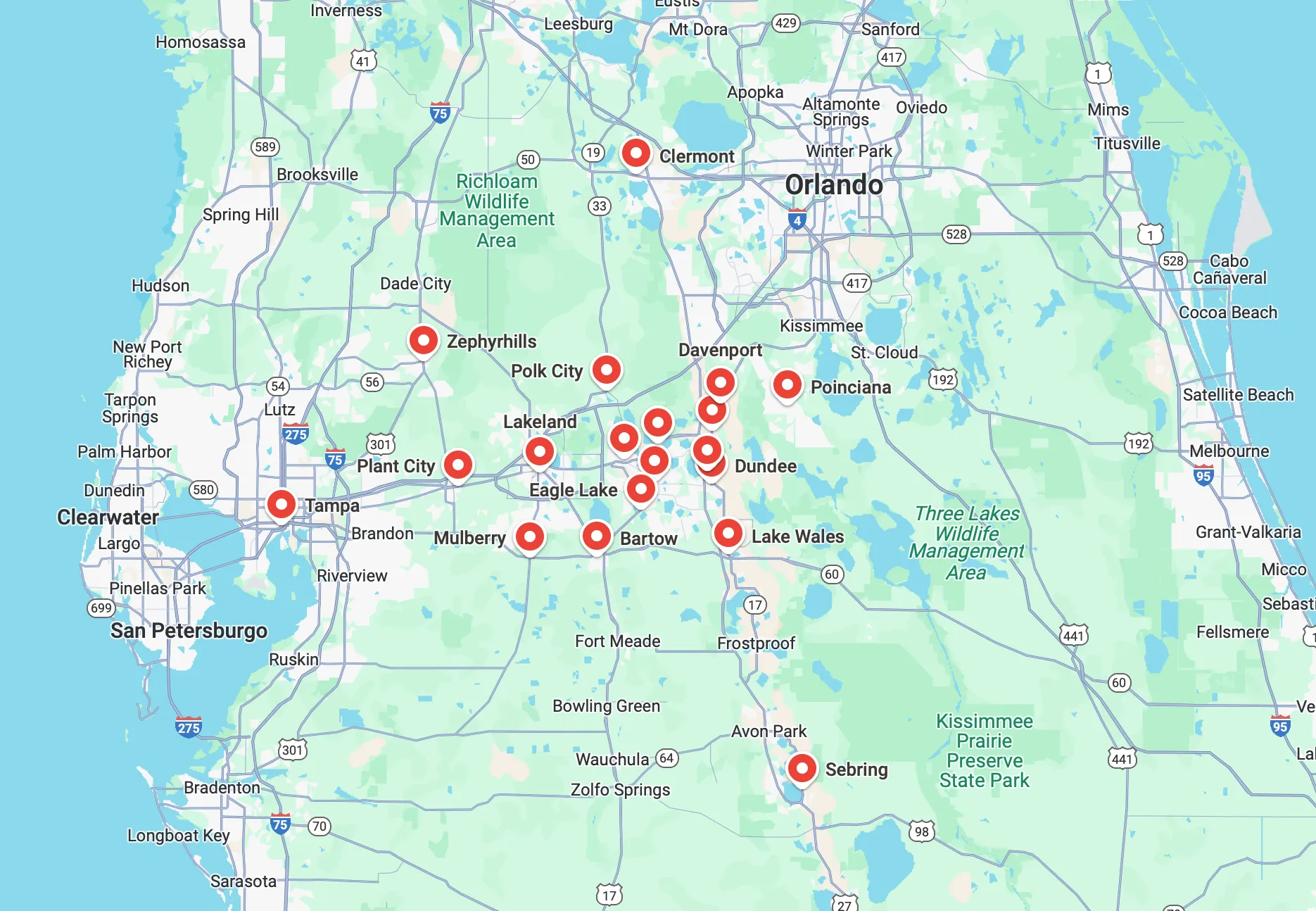
Service Areas