HVAC Repair in Plant City, FL
HVAC Repair in Plant City, FL
Keeping your home or business comfortable year-round in Plant City, FL means relying on HVAC systems that can handle long, humid summers, frequent thunderstorms, and the occasional cold snap. HVAC repair in Plant City, FL focuses on fast, accurate diagnostics and durable repairs for both residential and commercial systems.
.jpeg)
Why timely HVAC repair matters in Plant City, FL
Plant City’s hot, humid climate puts heavy daily demand on cooling systems from late spring through early fall. Extended run times increase wear on compressors, fan motors, and electrical components. High humidity also encourages coil corrosion, drainage problems, and mold growth in ducts and condensate pans. During storm season, power surges and lightning can cause electrical faults or control board failures. Prompt, professional repair reduces energy costs, prevents indoor air quality issues, and lowers the risk of mid-summer system failures.
Common HVAC repair issues in Plant City, FL
- No cooling or heating
Often caused by refrigerant leaks, compressor failures, thermostat faults, or blocked condensers. In Florida summers, low refrigerant and compressor wear are frequent culprits. - Weak airflow or uneven temperatures
Results from clogged air filters, failing blower motors, obstructed ductwork, or closed/imbalanced vents. - Strange noises (banging, grinding, hissing, clicking)
Bearings, fan blades, loose components, or refrigerant issues produce distinct sounds; timely diagnosis prevents more extensive damage. - Water leaks and drainage problems
Clogged condensate drains, cracked drain pans, or frozen evaporator coils can cause leaks and mold growth. - Electrical faults and intermittent operation
Tripped breakers, failed capacitors, contactors, or damaged control boards often follow power surges during storms. - Short cycling or frequent on/off cycles
Can indicate thermostat or refrigerant problems, compressor issues, or oversized/undersized equipment. - Poor indoor air quality and odors
Mold, bacterial growth in coils and pans, dirty filters, or duct contamination require both repair and cleaning.
Diagnostic process: thorough, transparent, efficient
- Initial assessment - Verify system type (split system, packaged unit, heat pump), gather symptoms, and review recent performance history. For commercial systems, note runtime profiles and zone controls.
- System inspection - Check thermostat settings, air filters, electrical connections, refrigerant pressures, airflow, condensate drainage, and coil condition. Identify wear on compressors, motors, capacitors, and belts.
- Testing and measurement - Use refrigerant gauges, amp clamps, multimeters, and temperature sensors to confirm faults and quantify performance loss.
- Estimate and options - Provide a clear, written description of the issue, repair options (repair vs replacement), parts required, estimated labor hours, and expected timeline.
Diagnostics typically take 30–90 minutes for residential systems and longer for complex commercial setups. Accurate diagnosis reduces repeated visits and unexpected costs.
Repair options, parts, and labor details
- Common parts replaced
Capacitors, contactors, blower motors, compressors, fan blades, thermostats, expansion valves, and condensate pans/drains. - OEM vs aftermarket parts
OEM parts match original manufacturer specifications; aftermarket parts can be a cost-effective alternative when performance and compatibility are confirmed. The choice affects warranty coverage and longevity. - Labor considerations
Labor is estimated based on the scope of work: minor repairs may be completed in under two hours, while component replacements or refrigerant recovery require more time and certified technicians. Work includes safety checks, testing, system balancing, and cleanup. - Permits and code compliance
For larger repairs or component replacements that affect refrigerant handling or structural modifications, local code compliance and permits may be required. These are reflected in the repair scope and timeline where applicable.
Emergency and after-hours response
Plant City experiences sudden breakdowns during heat waves and storms. Emergency and after-hours response options prioritize safety and restoring cooling/heating quickly. Typical emergency protocols include:
- Remote triage over the phone to identify immediate hazards (electrical burning smells, water leaking onto electrical components).
- Prioritization of life-safety issues (medical equipment, extreme temperature vulnerability).
- Rapid dispatching of technicians trained to stabilize systems, perform temporary repairs, and schedule follow-up for permanent fixes.
Response times vary by time of day and call volume; emergency repairs focus on restoring safe operation first and completing comprehensive repairs as soon as conditions allow.
Typical repair timelines (examples)
- Thermostat replacement or calibration: 30–60 minutes
- Filter, drain clear, or minor blower repairs: 1–2 hours
- Capacitor, contactor, or small electrical component replacement: 1–3 hours
- Refrigerant leak diagnosis and repair: 2–6 hours (may require follow-up to confirm leak repair)
- Compressor or major component replacement: half day to full day, depending on access and system complexity
- Commercial rooftop unit repairs: timelines vary—often half to multiple days for larger components
These ranges account for parts availability and any necessary permit or safety procedures.
Warranty and guarantee information
- Manufacturer warranties typically cover major components (compressors, coils) and vary by brand and model—often 5–10 years for compressors on newer systems when registered.
- Parts warranty for replacement parts can range from 90 days to several years depending on whether OEM or aftermarket components are used.
- Labor warranty commonly spans 30–365 days depending on the service agreement and type of repair. Labor coverage usually includes workmanship-related failures but excludes unrelated subsequent component failures.
- Proper documentation of parts and service performed is provided so manufacturer warranties remain valid and for any future claims.
What to expect during an on-site estimate or scheduled service
An on-site estimate includes:
- Review of system history and occupant symptoms.
- Full visual and operational inspection of indoor and outdoor units.
- Measurements of electrical and refrigerant parameters where needed.
- A written scope outlining required repairs, parts, labor hours, safety checks, and estimated completion time.
- Notes on energy-impacting issues and recommended preventive maintenance to avoid future breakdowns.
For commercial facilities, estimates will also document any downtime impact, access requirements, and coordination needs for building operations.
Preventive maintenance and long-term benefits
Regular maintenance- cleaning coils, changing filters, checking refrigerant levels, and testing electrical components—reduces emergency repairs, improves energy efficiency, and extends equipment life. In Plant City, consistent maintenance is especially beneficial because high cooling loads accelerate wear during summer months and hot-humid conditions promote corrosion and microbial growth.
SummaryHVAC repair in Plant City, FL focuses on precise diagnostics, durable repairs, and restoration of safe, efficient operation for both homes and businesses. Understanding common issues, the diagnostic process, parts and labor options, emergency response, expected timelines, and warranty details helps property owners make informed decisions that protect comfort, health, and equipment value in Plant City’s climate.

Customer Testimonials

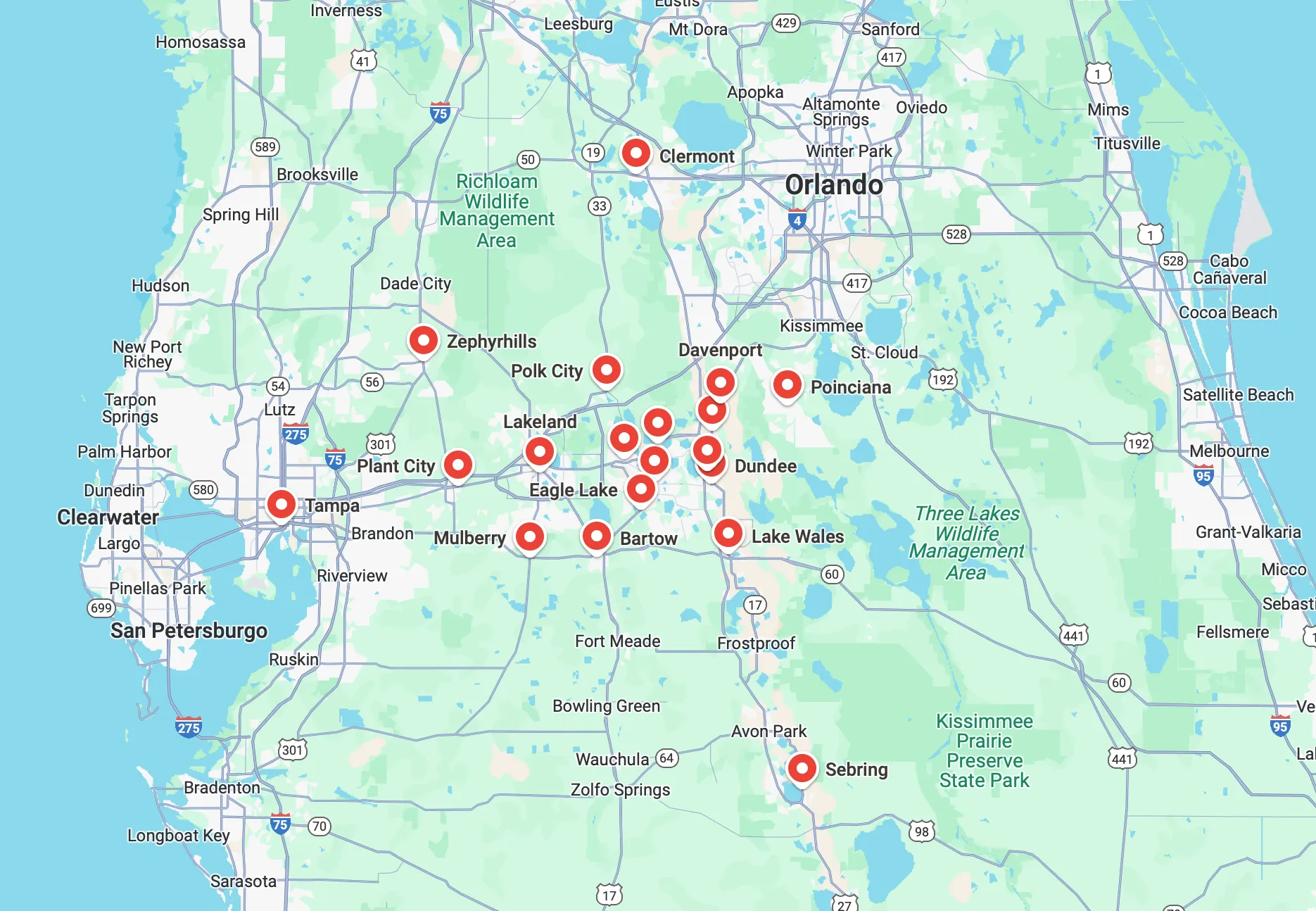
Service Areas