Furnace Repair in Davenport, FL
Heating Furnace Repair in Davenport, FL
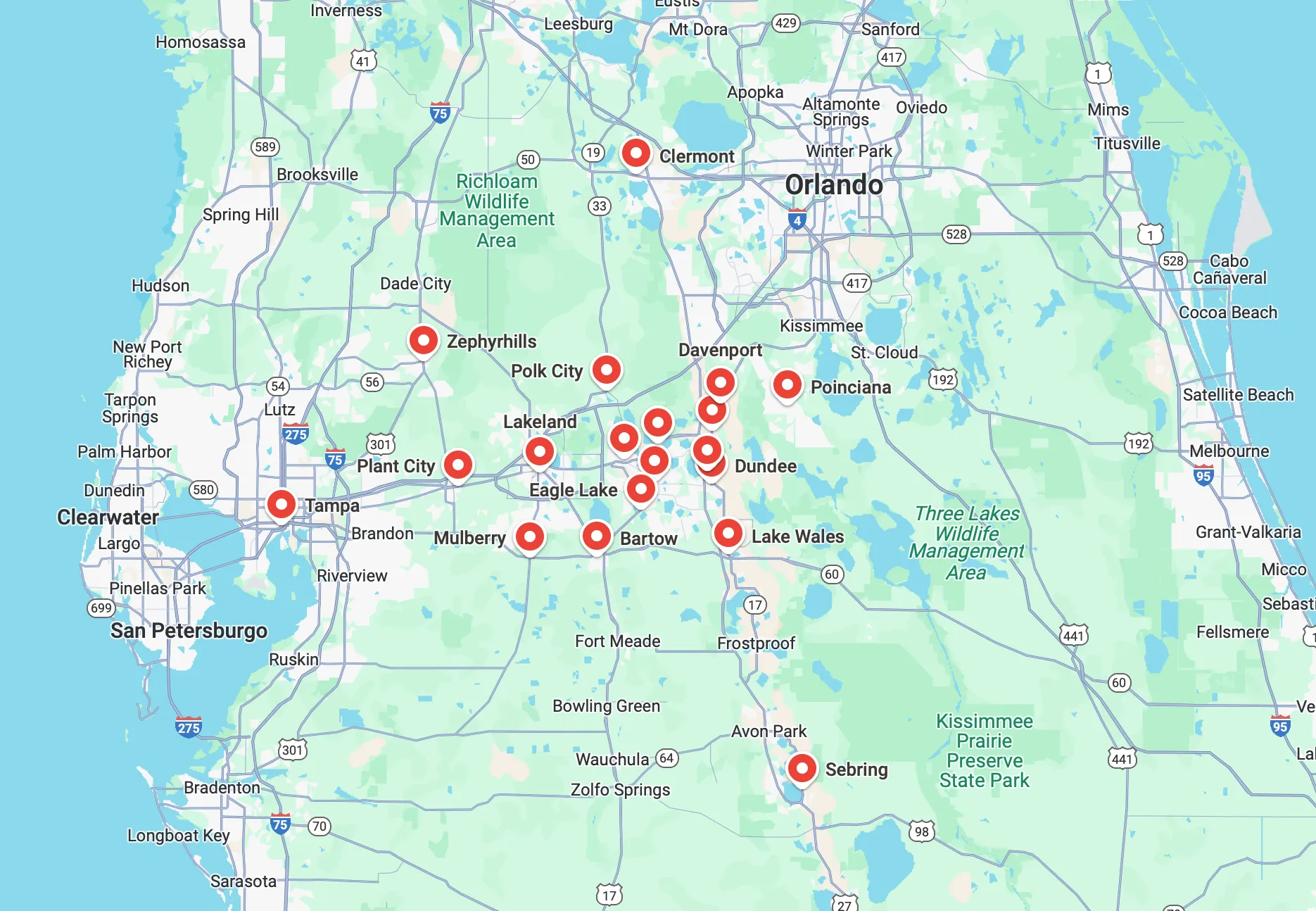
When your furnace fails, even a short cold snap in Davenport, FL can leave your home uncomfortable and unsafe. Heating furnace repair in Davenport, FL focuses on fast, reliable diagnosis and fixes for common furnace problems, with work tailored to local conditions like high humidity, seasonal storms, and occasional cold fronts.
.jpeg)
Common furnace problems and failure symptoms in Davenport homes
- No heat or intermittent heat: Furnace runs but delivers little or no warm air. Often caused by thermostat issues, failed ignitors, clogged filters, or a faulty gas valve.
- Frequent short cycling: Unit turns on and off rapidly. Common causes are clogged air filters, blocked vents, failing limit switches, or improper airflow due to duct issues.
- Strange noises: Rattling, screeching, or banging may indicate loose panels, a failing blower motor, worn belts, or debris in the blower assembly.
- Ignition or pilot failures: Older pilot systems or electronic igniters that don’t light will prevent the furnace from producing heat.
- Blower not running: Warm air is generated but not pushed into the house. This points to motor failure, a bad capacitor, or control board faults.
- Gas smell or combustion issues: Any gas odor or yellow (instead of crisp blue) flame requires immediate attention as it may indicate a gas leak or incomplete combustion.
- Carbon monoxide risk: Cracked heat exchangers or blocked flues can produce carbon monoxide. CO alarms or symptoms like headaches and dizziness are emergencies.
- Reduced efficiency and high bills: Accumulated dirt, failing components, or unsealed ducts cause the system to work harder and use more energy.
How technicians diagnose your furnace
Technicians follow a methodical process to find the root cause and avoid unnecessary repairs:
- Visual and safety inspection: Check for gas leaks, corrosion, signs of overheating, or loose wiring. Verify CO detector status and remove hazards.
- Thermostat and control checks: Confirm thermostat settings, battery condition, wiring, and communication with the furnace control board.
- Airflow assessment: Inspect filters, return vents, ductwork, and blower operation to confirm proper airflow and static pressure.
- Combustion and ignition tests: Evaluate pilot or electronic ignition systems, flame quality, gas valve operation, and pressure switches.
- Electrical diagnostics: Test capacitors, relays, motors, and control boards for voltage, amp draw, and proper function.
- Heat exchanger and flue inspection: Look for cracks, corrosion, or blockages that could create safety issues.
- System performance verification: Run the system through cycles to confirm repair success and measure temperature rise across the heat exchanger.
Technicians combine these checks with local knowledge — for example, checking for corrosion related to high humidity or loose electrical components after frequent power surges from summer storms.
Typical repair procedures and parts replacement
- Cleaning and adjustments: Remove dust, debris, and rust from burners, blower wheels, and heat exchangers; clean or replace clogged filters; adjust flame and gas pressure.
- Ignition system repairs: Replace faulty ignitors, pilot assemblies, flame sensors, or hi-limit switches.
- Electrical and motor repairs: Replace capacitors, relays, blower motors, and control boards. Tighten wiring and replace worn connectors.
- Gas system components: Repair or replace gas valves, pressure switches, and associated piping if leaks or malfunctions are detected.
- Heat exchanger and flue work: Repair small cracks when safe and possible, but replace heat exchangers when necessary due to CO risk or structural compromise.
- Duct and airflow fixes: Seal or repair ducts, replace damaged vents, and remove blockages to restore balanced airflow.
- Safety system replacements: Install new limit switches, roll-out sensors, and CO mitigation components as needed.
Repairs are done with attention to safety and local codes. Many fixes are completed in a single visit, while complex replacements (for example, a new heat exchanger or control board) may take longer.
Emergency repair availability and expected response times in Davenport, FL
Emergency scenarios include loss of heat during a cold snap, gas smell, sparking, or CO alarm activation. In Davenport:
- Emergency response: Typical emergency response windows are same-day with expedited visits often within 2 to 4 hours when technicians are available.
- Non-emergency response: Planned repairs or diagnostics are commonly scheduled within 24 to 48 hours.
- On-site repair time: Minor repairs and part swaps often take 30 minutes to 2 hours. More extensive repairs or part replacements can take 2 to 6 hours, depending on part availability.
Local factors such as severe weather or supply constraints can affect availability. After power outages from storms, technicians also prioritize safety checks before restarting gas furnaces.
What to expect during a repair visit
- A technician will discuss observed symptoms and perform the diagnostic steps above.
- You will receive a clear explanation of findings, safety concerns (for example, carbon monoxide risks), and recommended repair options.
- Repairs are performed with attention to cleanup and testing; the system is cycled to verify performance.
- Technicians document replaced parts and diagnostic readings for your records and any warranty needs.
Warranty and repair coverage expectations
Warranties vary by manufacturer and part. Typical expectations:
- Manufacturer parts warranties: Many components carry manufacturer-backed warranties ranging from 90 days to several years.
- Labor warranties: Service providers often offer limited labor warranties for repairs, commonly 30 to 180 days depending on the part and repair complexity.
- Record keeping: Keep invoices and part numbers to support any warranty claims. Regular maintenance records can also preserve warranty coverage.
Always confirm exact warranty terms, transferability, and any registration requirements with your equipment documentation and service provider.
Preventing future breakdowns in Davenport homes
- Annual pre-season tune-up: Schedule inspection before the cold season to catch wear caused by summer humidity and storm-related stress.
- Change filters regularly: Replace disposable filters every 1 to 3 months; clean reusable filters per manufacturer recommendations.
- Maintain airflow: Keep vents and returns clear, and periodically inspect ductwork for leaks or damage from pests or settling.
- Protect from power issues: Install surge protection for control boards and electronics; avoid cycling the furnace excessively after outages without inspection.
- Watch for corrosion and moisture: High humidity can accelerate corrosion and clog condensate drains; ensure condensate lines are clear and drain pans are intact.
- Install and test CO detectors: Carbon monoxide alarms are essential and should be placed in sleeping areas and tested monthly.
- Thermostat care: Use programmable thermostats properly and check calibration if temperatures feel off.
Timely maintenance reduces emergency repairs and extends the life of major components.
Timely furnace repair and regular maintenance in Davenport, FL prevent safety hazards, improve comfort during brief cold spells, and reduce energy costs. Knowing common symptoms and what to expect from professional diagnostics and repairs helps you make informed decisions and keeps your home safe and warm throughout the cooler months.

Customer Testimonials

Service Areas