Heat Pump Repair in Winter Haven, FL
Heat Pump Repair in Winter Haven, FL
Heat pumps keep Winter Haven homes comfortable year round, coping with hot, humid summers and mild winters. When a heat pump underperforms, makes unusual noises, or causes spikes in utility bills, timely repair protects comfort, indoor air quality, and system life.
%2520(1).jpeg)
Common heat pump issues in Winter Haven homes
Winter Haven’s warm, humid climate and frequent storm activity create a predictable set of problems for heat pumps. Typical issues include:
- Compressor failures: Signs include no heating or cooling, humming without compressor start, or tripped breakers. Compressors wear out from age, electrical stress, or repeated cycling.
- Refrigerant leaks: Low refrigerant causes poor cooling, ice on the evaporator coil, and higher energy use. Leaks are often due to corrosion on lines or physical damage.
- Reversing valve problems: If the system fails to switch between heat and cooling modes, the reversing valve or its actuator may be faulty. You might notice the system blowing warm air in cooling mode or vice versa.
- Electrical failures: Burnt contacts, failed capacitors, relays, or corroded wiring commonly cause intermittent operation or complete system failure.
- Defrost control and sensors: In cooler months, stuck defrost controls let ice build up on outdoor coils, reducing performance.
- Airflow and drainage issues: Clogged filters, blocked condensate drains, or dirty coils reduce efficiency and can cause moisture and mold concerns in humid conditions.
- Fan motor and blower problems: Noisy or non-functioning fans lead to poor airflow, overheating, and uneven temperatures.
How diagnostic service identifies the problem
A focused, symptom-based diagnostic process quickly narrows the cause and informs repair decisions:
- Initial symptom intake: Technicians document what you are experiencing, when the issue started, and any recent events like power outages or storms.
- Visual inspection: Checks for obvious damage, corrosion on refrigerant lines, and condition of the outdoor unit and indoor air handler.
- Electrical testing: Voltage and continuity tests find bad capacitors, relays, contactors, and wiring faults.
- Refrigerant system checks: Pressure readings and leak detection methods locate low-charge conditions or active leaks. Inspect for oil stains and use electronic leak detectors when needed.
- Compressor and motor testing: Start-up current and amp draw tests reveal compressor health. Motor bearings and fan performance are evaluated.
- Control and thermostat diagnostics: Verify correct signals and cycling from the thermostat and control board.
- Airflow and drainage assessment: Measure airflow and examine condensate drain paths and condensate pans for blockages or microbial growth.
Diagnostics typically clarify whether the repair is a simple part swap, refrigerant service, or a larger component replacement.
Repairs, parts replacement, and warranty guidance
Common repairs performed in Winter Haven include refrigerant leak repair and recharge, capacitor or relay replacement, fan motor replacement, reversing valve repair, and compressor replacement.
- Parts and compatibility: OEM or equivalent parts that match your unit model are recommended to maintain efficiency and preserve any manufacturer coverage. Replacing parts with correct specs prevents further failures.
- Refrigerant handling: Refrigerant recovery and recharge must follow current regulations and use the correct refrigerant type for the system. Improper handling can damage the system and void warranties.
- Warranties: Most systems carry a manufacturer parts warranty and may have separate labor warranties provided by the original installer. Warranties vary by brand, model, and installation history. Keep model and serial numbers, installation records, and maintenance receipts handy to confirm coverage. Repaired components may carry short-term warranties from the parts supplier or installer.
Emergency repair options and safety considerations
Certain situations require urgent attention to protect property and safety:
- Emergency conditions include complete loss of cooling during extreme heat, persistent electrical arcing or burning smells, visible refrigerant leaks, or systems that keep tripping breakers.
- Emergency response typically focuses on restoring safe operation: isolating faulty circuits, providing temporary control settings, or stabilizing refrigerant-containing components until permanent repairs are completed.
- Safety first: Avoid attempting complex repairs or refrigerant handling. Electrical and refrigerant hazards require trained technicians and proper tools.
Winter Haven homeowners should consider emergency priorities during high-demand periods like heat waves or after severe storms when grid instability or debris can damage outdoor units.
Typical repair timelines and factors that affect duration
Repair timelines depend on the diagnosis and parts availability:
- Diagnostic visit: Often completed in a single visit, with a clear scope for needed repairs documented at the end.
- Minor repairs: Replacing capacitors, contactors, thermostats, or fan motors is frequently completed the same day.
- Refrigerant leak repair: Locating and repairing leaks can take longer if access is difficult; a follow-up recharge may be scheduled once repairs are verified.
- Major component replacement: Compressor or reversing valve replacement may require more time due to evacuation and recharge procedures, and possibly ordering a matched component.
- Scheduling for parts: If specialized or hard-to-find parts are required, repairs may be delayed while parts are sourced.
Local factors in Winter Haven such as weather delays during storm season and regional parts supply can influence repair timelines.
Preventive maintenance and local considerations for Winter Haven
Regular maintenance reduces unscheduled repairs and improves efficiency in Winter Haven’s climate:
- Seasonal tune-ups: Clean coils, check refrigerant levels, test electrical components, inspect condensate drains, and verify thermostat calibration.
- Filter changes: Frequent filter replacement or high-quality filters help cope with humidity and indoor air quality concerns.
- Corrosion checks: High humidity accelerates corrosion on outdoor units and fittings. Inspect and treat exposed connections.
- Surge protection and stable power: Storms and grid shifts can stress controls and compressors. Consider surge protection for sensitive electronics.
- Proper airflow and drainage: Keep outdoor units clear of vegetation and debris; ensure condensate drains route away from foundations to limit moisture issues.
Benefits of timely heat pump repair
Prompt diagnosis and repair restore comfort, improve energy efficiency, reduce risk of more extensive failures, and extend the useful life of the system. In Winter Haven, where cooling demand is high for much of the year, keeping a heat pump in good condition also helps control humidity and maintain indoor air quality.

Customer Testimonials

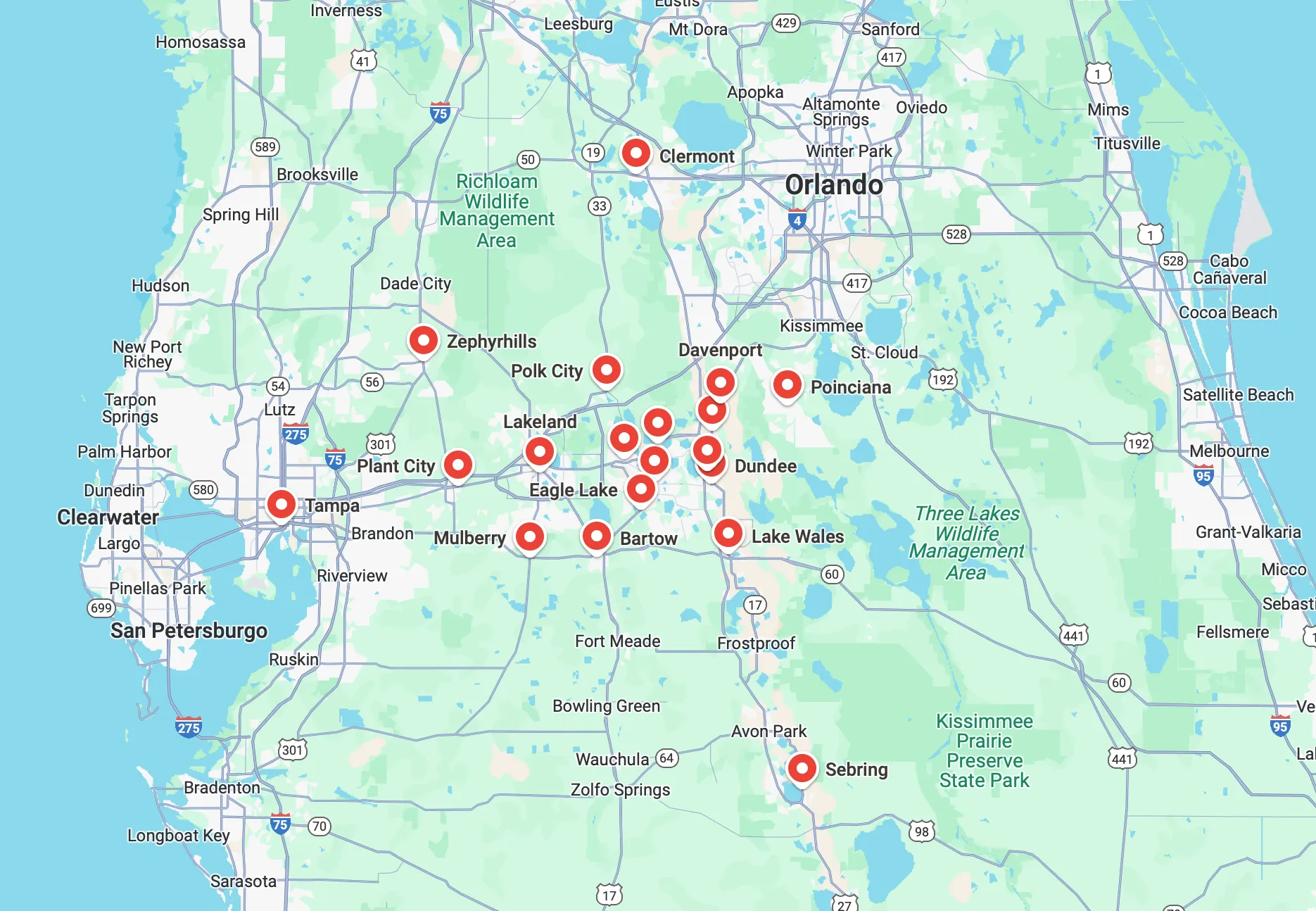
Service Areas