Heat Pump Repair in Lake Wales, FL
Heat Pump Repair in Lake Wales, FL
When your heat pump struggles to keep your Lake Wales home comfortable, timely professional repair is essential. Heat pumps in Central Florida face high summertime cooling demands, heavy humidity, and occasional storm-related electrical issues that accelerate wear.
Why timely heat pump repair matters in Lake Wales, FL
Lake Wales experiences long, hot, humid seasons that put constant strain on heat pump systems. Prolonged operation with an underlying fault increases energy bills, shortens equipment life, and raises the chance of complete system failure during peak heat. Addressing problems early preserves comfort, restores efficiency, and reduces the likelihood of costly emergency replacements.
Common heat pump symptoms seen in Lake Wales homes
- No heat or no cooling at all, even when the system runs
- Short cycling - system turns on and off frequently
- Frozen evaporator coils or excessive frost on the outdoor unit
- Unusual noises: buzzing, rattling, grinding, or hissing
- Warm air blowing from registers when in cooling mode
- Rapidly rising energy bills without lifestyle changes
- Inconsistent temperatures between rooms or weak airflow
Many of these symptoms are aggravated by high humidity, clogged filters, or outdoor debris common after storms or seasonal pollen in Polk County.
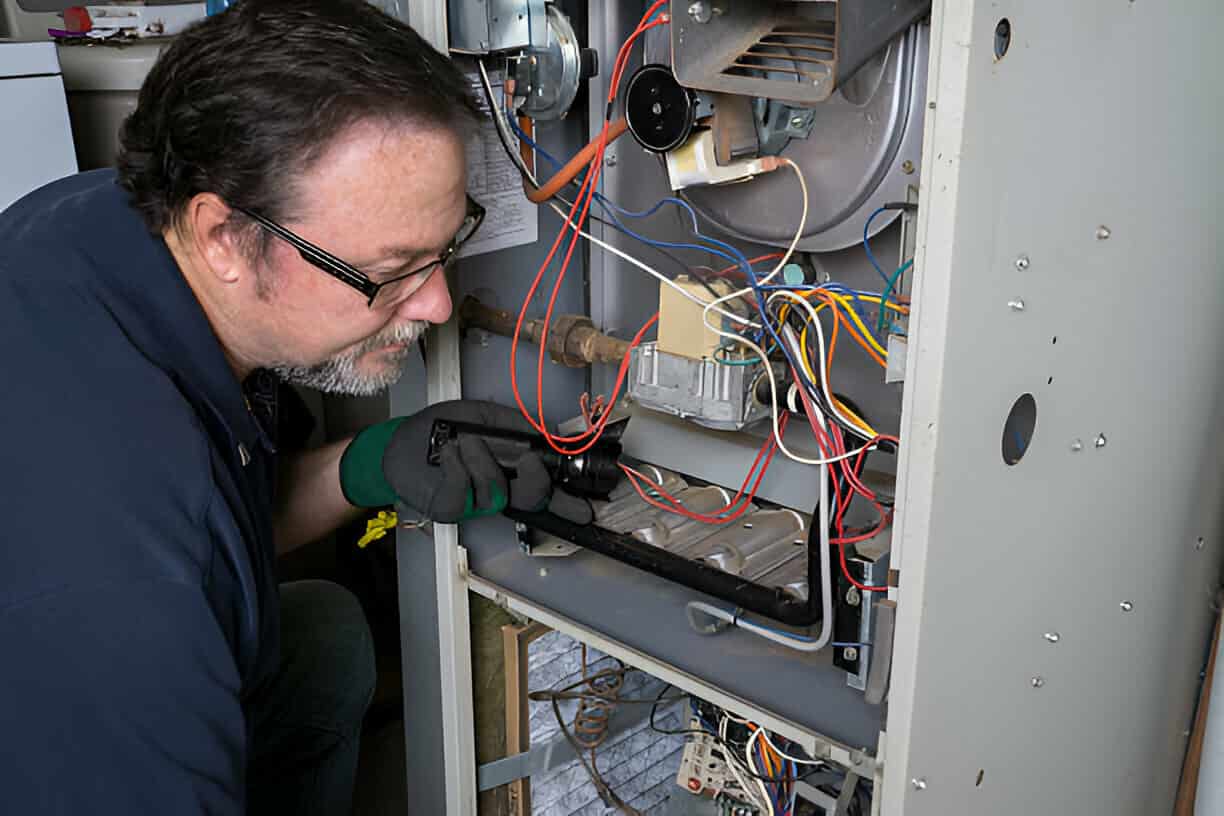
Typical diagnostic steps technicians follow
An organized diagnostic approach locates the root cause and avoids unnecessary part swaps.
1. Visual inspection
- Check outdoor unit condition, fan, and condenser coil; inspect indoor coil and drain for clogs or condensation issues.
2. Thermostat and controls check
- Verify thermostat settings, batteries, wiring, and control board signals.
3. Electrical testing
- Test capacitors, contactors, relays, fuses, and voltage at the disconnect to identify power issues or failed components.
4. Airflow assessment
- Inspect filters, ductwork, blower motor, and registers for blockages or restricted airflow.
5. Refrigerant and pressure checks
- Measure refrigerant pressures to detect leaks or undercharge conditions that can cause freezing or poor cooling.
6. Defrost and cycle analysis
- Monitor defrost controls, sensors, and cycle times to diagnose frozen coil causes or short cycling behavior.
7. Performance testing
- Run the system through modes and measure supply and return temperatures, current draw, and overall operating stability.
Technicians in Lake Wales may also inspect for storm-related damage or lightning strike effects on electrical components.
Typical repair process for heat pump issues
Repairs follow a clear sequence to restore safe, efficient operation.
- Arrival and safety check: secure power and confirm safe working conditions
- Problem verification: reproduce symptoms and explain findings
- Written estimate: list necessary repairs and parts (estimates provided before non-emergency work)
- Parts replacement or repair: install tested components or fix leaks and wiring as needed
- System recharge and calibration: restore proper refrigerant charge and balance controls
- Verification testing: run full-system tests and measure performance under load
- Cleanup and documentation: leave equipment area clean and provide work details and parts used
For many common failures, a single visit resolves the issue when the needed parts are in stock. When specialty parts are required, scheduling and parts procurement are coordinated to minimize downtime.
Parts and components commonly replaced
- Run/start capacitors and contactors
- Fan motors and blower motors
- Reversing valves and expansion devices
- Thermostats, sensors, and control boards
- Compressors (in severe cases)
- Refrigerant lines, fittings, and leak repairs
- Evaporator or condenser coil repairs or replacement
- Defrost controls and pressure switches. Many repairs in Lake Wales involve corrosion-resistant fittings or surge-protection recommendations due to local humidity and storm exposure.
Estimated response times and after-hours options
- Same-day service: often available for urgent comfort failures, typically within a 4 to 8 hour window when schedules allow
- Next-business-day service: common for non-emergency diagnostics and routine repairs
- After-hours and emergency service: available in many areas for sudden failures affecting safety or critical cooling needs; emergency dispatch times vary and may include additional availability considerations
When scheduling, expect the technician to confirm an estimated arrival window. For emergency responses, technicians prioritize safety issues, loss of cooling in vulnerable households, or systems that pose fire or water damage risk.
Warranty information on repairs
Industry-standard repair warranties vary by part and labor. Typical practices include:
- Parts warranties: commonly range from 90 days to 1 year for replacement parts, though manufacturer warranties on new components may extend longer
- Labor warranties: often range from 30 days to several months depending on the provider and the nature of the repair
- Refrigerant and leak repairs: warranties may depend on whether a permanent leak fix was completed and documentation of follow-up testing
Ask for written warranty terms before authorizing work so you understand coverage length and what is required to maintain warranty validity, such as regular maintenance or follow-up inspections.
What to have ready when scheduling service
Prepare these details to speed diagnostics and get accurate scheduling:
- Heat pump brand, model, and approximate age (usually on a label on the outdoor unit)
- Exact symptoms and when they began
- Any recent maintenance, repairs, or storm events
- Accessibility details (gate codes, pets, preferred access points)
- Availability windows for technician visits
Having this information ready helps technicians bring appropriate tools and parts and reduces the need for return visits.
Preventive advice for Lake Wales homeowners
- Replace or clean filters monthly during heavy use periods
- Keep outdoor unit clear of vegetation, debris, and mulch
- Schedule annual preventive maintenance before the hottest months
- Install a smart or programmable thermostat for better cycling and reduced wear
- Consider surge protection to protect control boards during summer storms
Regular maintenance and prompt attention to early warning signs extend system life and keep energy costs lower in Lake Wales climate conditions.

Customer Testimonials

Service Areas