Heat Pump Repair in Dundee, FL
Heat Pump Repair in Dundee, FL
A malfunctioning heat pump disrupts comfort and raises energy bills fast, especially in Dundee, FL where hot, humid summers and mild winters keep heat pumps running year round.
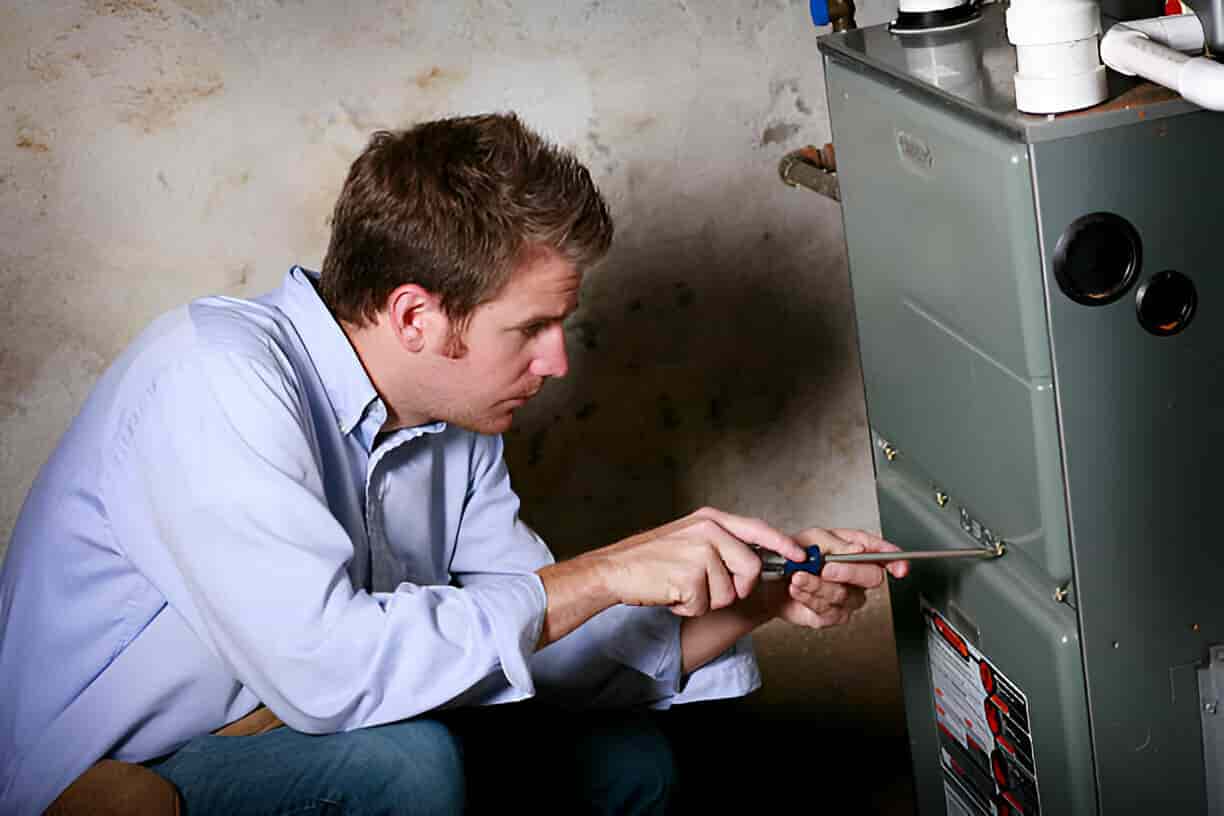
Why timely heat pump repair matters in Dundee, FL
Dundee sees prolonged high humidity and frequent summer storms. Those conditions increase system load, encourage coil corrosion and mold on evaporator and condensate components, and make refrigerant or airflow problems more severe. Ignoring symptoms leads to higher electricity use, frozen coils, compressor damage, or complete system failure. Fast, accurate diagnostics and repairs preserve comfort and save money.
Common heat pump symptoms in Dundee, FL
- No heating or cooling - Unit runs but does not change indoor temperature.
- Short-cycling - The heat pump turns on and off frequently. This wastes energy and stresses components.
- Weak airflow or reduced output - Low airflow often stems from clogged filters, blocked vents, failing blower motors, or duct issues.
- Strange noises - Rattling, grinding, or hissing point to loose parts, failing fan motors, or refrigerant leaks.
- Frequent tripping of breakers - Electrical problems such as bad capacitors, motors drawing high amps, or contactor failures.
- Ice or frost on coils - Often caused by refrigerant imbalance, airflow restrictions, or defective defrost controls.
- Visible refrigerant leaks or low refrigerant pressures - Indicated by oily residue near lines, or by pressure measurements during testing.
- High humidity indoors - Heat pumps that cannot dehumidify properly because of refrigerant, coil, or airflow issues.
Typical diagnostic steps and tests
Technicians use a systematic approach to find the root cause rather than guessing repairs:
- Visual inspection - Check outdoor and indoor units for obvious damage, corrosion, debris, and wiring issues.
- Thermostat and control checks - Verify correct mode, settings, and communication signals.
- Airflow assessment - Inspect filters, vents, dampers, blower wheel, and ductwork for restrictions.
- Electrical testing - Measure voltage and amperage, inspect capacitors, contactors, relays, and safety switches.
- Refrigerant and pressure tests - Use gauges to measure suction and discharge pressures, and calculate superheat and subcooling to confirm proper charge.
- Leak detection - Electronic detectors, fluorescent dye, or pressurization tests to locate leaks.
- Compressor and motor diagnostics - Evaluate motor windings, start components, and overall compressor health.
- Defrost cycle and reversing valve checks - Ensure proper heating mode operation in cooler periods.
Many diagnostic visits take 30 to 90 minutes depending on complexity and access to equipment.
Common repairs and parts replacement
Repairs address the failed component and any collateral damage:
- Capacitors and contactors - Common causes of no-start or intermittent operation, often replaced quickly.
- Fan motors and blower motors - Replaced when bearings or windings fail.
- Compressors - Major component; replacement requires recovery of refrigerant and can involve significant labor.
- Reversing valves - Failures affect heating mode; replacement requires refrigerant handling.
- Expansion devices and TXV valves - Replace when metering is inconsistent.
- Evaporator or condenser coil repairs - Leak repairs or coil replacement for corrosion or severe damage.
- Line set and refrigerant repair - Repairs for leaks, brazing, and pressure testing to reestablish proper refrigerant charge.
- Control board replacements - When diagnostics show failed electronics.
Minor repairs such as replacing capacitors or contactors are often completed the same day. Major jobs like compressor or coil replacements may require ordering parts and scheduling over several days.
Repair timelines and response expectations
- Initial diagnosis - Typically completed during the first visit, 30 to 90 minutes.
- Same-day repairs - Common for capacitors, contactors, thermostats, filters, and some motors when parts are on hand.
- Next-day or multi-day repairs - Compressor, coil, and refrigerant system overhauls may require ordering parts and coordinating refrigerant handling. Expect 1 to 5 business days depending on parts availability.
- Emergency response - During heat waves or severe HVAC failure, emergency repair options are often available to restore basic heating or cooling quickly. Emergency response times vary but are prioritized based on severity and system safety.
Emergency repair options
Emergency services focus on restoring safe operation and preventing further damage:
- Temporary fixes to restore cooling or heating until permanent parts arrive.
- Short-term bypasses for failed controls to keep the system running safely.
- Safe shutdown and stabilization if damage poses a risk to the home or system.
- Prioritized diagnostics and expedited parts ordering when safety or health risks exist.
Pricing and estimate practices
Honest, transparent estimates help homeowners make informed decisions:
- Diagnostic fee explained - A diagnostic charge covers the time and testing needed to identify the problem and is typically applied toward repairs if the work proceeds.
- Itemized written estimates - Good practice is to provide a clear, itemized estimate showing parts, labor, refrigerant, and any permit or disposal fees.
- Flat-rate vs time-and-materials - Some repairs are quoted at a flat rate for transparency; others are billed as time-and-materials when scope is uncertain.
- Parts sourcing and lead times - Estimates include expected lead times for major components and options when aftermarket or OEM parts are available.
Warranty information on repairs
Warranties vary but here are typical expectations:
- Parts warranties - Manufacturers often provide parts warranties ranging from 1 to 10 years depending on the component and system.
- Labor warranties - Repair labor warranties commonly range from 30 to 365 days and will be outlined in the written estimate.
- Warranty documentation - Written warranty details should describe what is covered, exclusions, and any required maintenance to keep the warranty valid.
- Maintenance requirements - Regular maintenance is usually required to preserve warranties, especially on compressor and major system coverage.
Tips to prevent future breakdowns in Dundee, FL
- Schedule seasonal maintenance - Twice-yearly tune ups before summer and winter reduce emergency visits and preserve efficiency.
- Change filters regularly - Replace filters every 1 to 3 months depending on use and indoor conditions.
- Keep outdoor unit clear - Remove debris, vegetation, and clutter around the condenser to maintain airflow and reduce strain.
- Protect from storms and power surges - Use surge protection and secure the outdoor unit during severe weather to prevent electrical damage.
- Watch for moisture and condensate issues - High humidity can clog drain lines and encourage mold; clear condensate drains and check pans.
- Monitor thermostat settings - Avoid extreme setpoint swings that can cause short-cycling and premature wear.
- Document repairs and service - Keeping records helps technicians diagnose recurring issues and preserves warranty claims.
Expert diagnostics and prompt repairs keep Dundee homes comfortable year round and prevent costly failures. Understanding the diagnostic process, repair options, timelines, and warranty details helps homeowners make informed decisions when a heat pump problem occurs.

Customer Testimonials

Service Areas