Heat Pump Repair in Davenport, FL
Heat Pump Repair in Davenport, FL
When a heat pump underperforms or fails, Davenport homes feel it quickly - especially during long, humid summers or cooler winter nights when heating is needed. Heat pump repair in Davenport, FL focuses on restoring reliable heating and cooling, improving efficiency, and preventing repeat breakdowns.
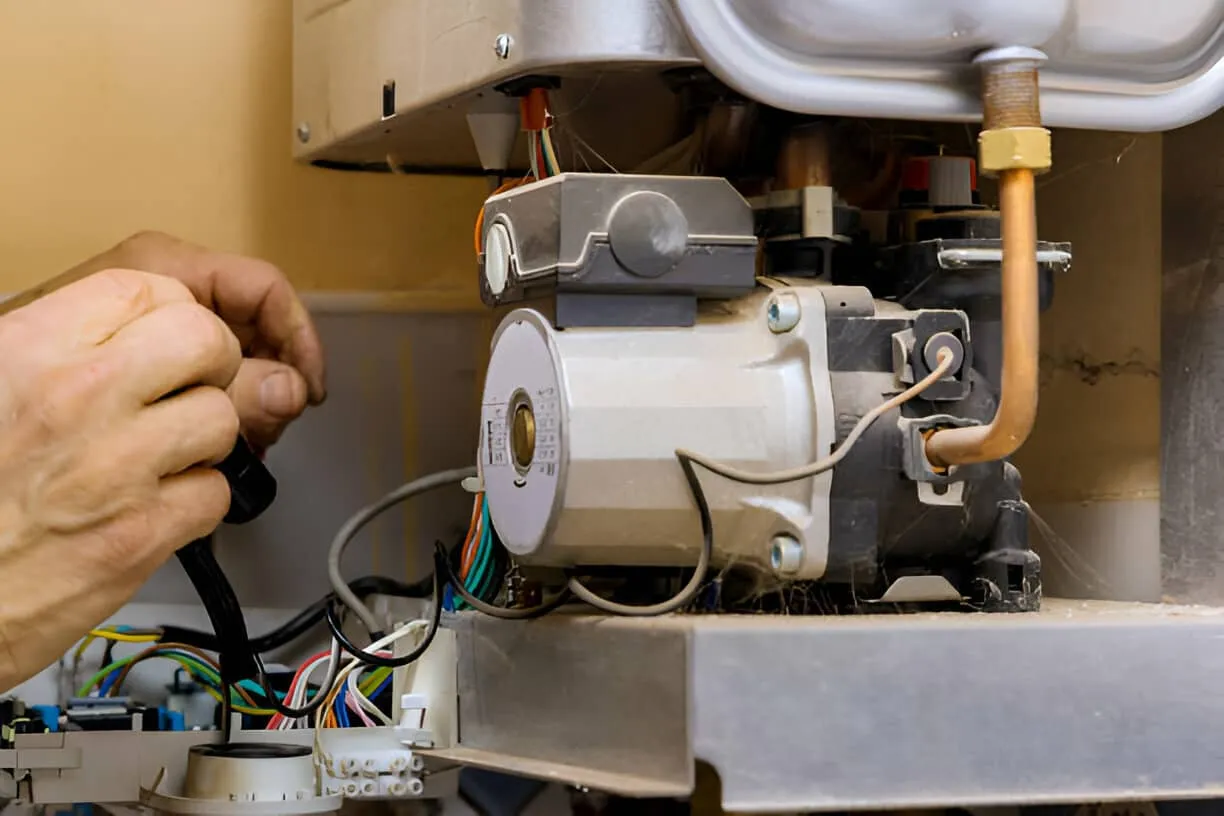
Why heat pump service matters in Davenport, FL
Davenport’s hot, humid summers and periodic storms place continuous demand on heat pumps. High humidity accelerates corrosion of outdoor components, airborne pollen and landscape debris clog coils, and frequent cycling during transitional seasons reveals electrical or control weaknesses. Combined with occasional power surges from thunderstorms, these conditions increase the chance of refrigerant leaks, fan or compressor failures, and thermostat or control-board faults. Prompt, professional repair preserves indoor comfort and extends equipment life while avoiding high energy bills.
Common heat pump issues in Davenport, FL
- No heating or cooling: Unit runs but delivers little or no conditioned air - often caused by refrigerant loss, compressor failure, or airflow restrictions.
- Short cycling: Unit turns on and off frequently, which increases wear and energy use. Common causes include thermostat errors, refrigerant imbalance, or electrical problems.
- Refrigerant leaks: Low refrigerant pressures lead to poor performance and can damage the compressor if not addressed. Leaks are more likely with corroded lines or older fittings.
- Compressor or fan motor failures: Motors and compressors wear out or fail due to age, overheating, electrical problems, or corrosive outdoor conditions.
- Thermostat and control issues: Miscalibration, loose wiring, or failed control boards cause incorrect cycling, temperature drift, or total system shutdown.
- Poor airflow and dirty coils: Clogged filters, blocked return vents, or dirty evaporator/condenser coils reduce capacity and force the system to run longer.
Technician troubleshooting process and diagnostic tests
A systematic diagnostic approach ensures accurate repairs and clear estimates. Typical tests and checks include:
- Visual inspection: Assess outdoor unit condition, coil cleanliness, evidence of leaks, wiring condition, and mounting issues caused by settling or debris.
- Thermostat and control verification: Confirm correct settings, wiring continuity, and sensor operation. Calibrate or test with a reference thermometer if temperatures seem off.
- Electrical testing: Use multimeters and clamp meters to check voltage, current draw, and continuity on compressors, fan motors, capacitors, and contactors. These tests identify electrical faults and failing components.
- Refrigerant pressure and leak detection: Attach manifold gauges to measure system pressures during operation and use electronic leak detectors or fluorescent dye to locate leaks.
- Capacitor and start device checks: Test capacitor microfarads and inspect start/run capacitors and relays; weak capacitors commonly cause motors not to start or to hum.
- Airflow and duct inspection: Measure static pressure and inspect filters, supply registers, and return ducts for obstructions or leaks that reduce efficiency.
- Compressor and motor assessment: Evaluate motor windings, insulation resistance, and overheating signs to determine whether repair or replacement is required.
Technicians document findings and present repair options with clear explanations of why each action is recommended.
Typical repair procedures and parts replacement
Repair work is tailored to the diagnosed cause. Common procedures include:
- Refrigerant leak repair and recharge: Locate and repair leaks using soldering or replacement of corroded tubing or fittings, followed by a vacuum and refrigerant recharge to manufacturer specifications.
- Coil cleaning and condenser maintenance: Remove dirt, pollen, and debris from coils; straighten fin damage and ensure proper condenser clearance for airflow.
- Capacitor, contactor, and relay replacement: Replace failing electrical components that cause motors to stall or systems to short cycle.
- Fan motor and blower motor replacement: Replace worn or seized motors and test run capacitors and bearings.
- Compressor replacement or service: Replace compressors when internal failure is present or recommend system replacement if the unit is near end of life. Compressor work follows refrigerant recovery and system evacuation protocols.
- Thermostat and control board repairs: Reprogram, recalibrate, or swap out thermostats and control boards and verify proper communication between indoor and outdoor units.
- Duct repairs and airflow balancing: Seal leaks, insulate exposed ducts, and rebalance airflow to ensure even temperature distribution and efficient operation.
Parts commonly replaced include capacitors, contactors, fan and compressor motors, expansion devices, reversing valves, thermostats, and control boards. Technicians typically carry commonly used parts for faster turnaround and note when a specialized component must be ordered.
Emergency repair response and scheduling expectations
Emergency issues-complete loss of heating or cooling, severe refrigerant leaks, or signs of electrical hazards—require prioritized response. In Davenport, emergency dispatch protocols typically prioritize same-day or next-available response slots for high-priority calls, with technicians triaging based on safety and severity. Regular repair appointments are scheduled within typical business windows, with options to book weekday, evening, or weekend service windows depending on local availability. After diagnosis, customers receive a written estimate that outlines recommended repairs, parts required, and estimated timelines before any non-emergency work proceeds.
Transparent estimates, pricing process, and warranties
Transparent repair process elements include:
- Written, itemized estimates: After diagnostics, expect a clear breakdown of parts, labor, and options (repair vs replacement), plus projected timelines.
- Explanation of alternatives: When repair is feasible but replacement may be more cost-effective long term, technicians explain the trade-offs, efficiency improvements, and life-expectancy considerations.
- Parts and workmanship guarantees: Replacement parts often carry manufacturer warranties, and workmanship is commonly backed by a short-term guarantee that covers the repair performed. Warranty lengths vary by part type and manufacturer; technicians will document applicable warranties and advise on registration or follow-up steps.
Preventive tips to reduce future breakdowns
- Schedule regular tune-ups: Seasonal inspections, coil cleanings, and performance checks keep the system efficient and catch small issues before they escalate.
- Replace filters regularly: Clean filters maintain airflow and protect evaporator coils from buildup.
- Keep outdoor unit clear: Trim vegetation, remove debris, and ensure adequate airflow around the condenser.
- Monitor thermostat settings: Avoid frequent setpoint changes that encourage short cycling; consider programmable or smart thermostats for more consistent control.
- Protect against power surges: Use surge protection devices on electrical panels or dedicated HVAC surge protectors where practical.
- Watch for warning signs: Increased noise, reduced airflow, higher energy bills, or frequent cycling are indicators to call for a diagnostic inspection.
Benefits of timely repair
Prompt, professional heat pump repair in Davenport, FL restores comfort, lowers energy costs by returning the system to peak efficiency, prevents secondary equipment damage, and reduces the likelihood of emergency failures during peak season. Addressing problems early preserves equipment value and often extends unit life, especially in Florida’s demanding climate.

Customer Testimonials

Service Areas