Heat Pump Installation in Plant City, FL
Heat Pump Installation in Plant City, FL
Heat pump installation in Plant City, FL offers a year-round comfort solution that both cools and heats efficiently in our hot, humid summers and mild winters. A properly sized and installed heat pump reduces monthly energy costs, improves indoor humidity control, and provides consistent comfort across living spaces.
-min%2520(1).webp)
Why a heat pump makes sense in Plant City
- Plant City climate: long, humid cooling seasons and occasional cool spells make heat pumps ideal because they provide efficient cooling plus reliable heating without a separate furnace.
- Humidity control: modern heat pumps dehumidify better than many packaged systems, improving comfort during Tampa Bay area summers.
- Year-round efficiency: high-efficiency heat pumps can significantly reduce electric usage compared with older electric-resistance heating or undersized systems.
Common heat pump types and which work best here
- Air-source heat pumps: The most common choice for Plant City homes. Efficient, cost-effective, and well-suited for Florida temperatures.
- Ductless mini-split systems: Ideal for homes without existing ductwork or for room-by-room zoning. Good for additions, garages converted to living space, or historic homes.
- Multi-zone systems: Allow different temperatures in separate zones - useful for larger homes, multi-level layouts, or homeowners wanting precision control.
- Hybrid systems: Combine a heat pump with a backup furnace or electric resistance heat for rare cold snaps; usually not necessary in Plant City but an option for some households.
Site assessment and load calculations
A reliable installation begins with a professional site assessment:
- Walkthrough of the home to identify insulation levels, window types, duct layout, shading, and occupancy patterns.
- Detailed load calculation (Manual J) to determine exact heating and cooling demand in BTU/hr. This prevents common problems like short-cycling or poor humidity control from oversized or undersized systems.
- Ductwork evaluation (Manual D and airflow checks) to confirm capacity or identify necessary repairs/upgrades.
- Electrical check to ensure the panel, breakers, and wiring meet manufacturer and local code requirements.
System selection and equipment criteria
When selecting equipment for Plant City homes, prioritize:
- Proper sizing based on load calculations, not rule-of-thumb tonnage.
- Efficiency ratings: Look at SEER (cooling) and HSPF (heating) - higher values mean better efficiency and potential eligibility for incentives.
- Variable-speed or inverter compressors for improved comfort, quieter operation, and better part-load efficiency during Florida’s long cooling season.
- Matched components: indoor coil, outdoor unit, and controls should be matched to ensure warranty coverage and optimum performance.
- Corrosion resistance: choose outdoor units with protective coatings if installed in areas with higher humidity exposure.
- Refrigerant type: modern systems use low-global-warming-potential refrigerants; equipment will specify the refrigerant and charging requirements.
Permitting and code considerations in Plant City
- Installations must comply with the Florida Building Code and local Plant City permit requirements. Permits typically cover mechanical work, refrigerant handling, and electrical connections.
- Licensed mechanical and electrical work is required; local inspectors will verify compliance.
- Permit timelines can vary; factor in permitting when planning the project schedule.
Typical installation timeline (new heat pump)
- Pre-install site assessment and load calculation: 1 appointment (same day).
- Permitting and procurement of equipment: 1 to 3 weeks depending on permit processing and equipment availability.
- Installation (on-site work): 1 to 3 days depending on system type:
- Ducted single-zone: typically 1 to 2 days.
- Ductless multi-zone: 1 to 2 days per multiple indoor heads, sometimes longer.
- Ductwork repairs or replacement adds 1 to several days.
- Start-up, commissioning and homeowner orientation: same day as installation or following day.
Step-by-step installation process
- Pre-install preparation: verify access, protect floors, and confirm equipment location (outdoor pad, condenser placement).
- Mounting of outdoor unit and installation of indoor unit(s) or coil.
- Refrigerant line installation, electrical connections, and thermostat wiring.
- Duct modifications or new ductwork if required.
- Evacuation and refrigerant charging following manufacturer specifications.
- System start-up and tuning.
Post-install testing and homeowner orientation
After installation, technicians perform a full commissioning process:
- Airflow measurement (target roughly 350 to 450 cfm per ton, depending on manufacturer specs).
- Delta T (supply-return temperature difference) check — typically 15 to 20 F for cooling when system is properly charged and airflow is correct.
- Refrigerant charge verification using superheat/subcooling methods.
- Electrical verification, amp draw checks, and safety control tests.
- Leak test and pressure hold for refrigerant circuits. Homeowner orientation covers thermostat use, schedule recommendations, filter replacement, understanding defrost cycles, and seasonal care tips.
Maintenance and warranty essentials
- Manufacturer warranties typically cover parts and compressors for a specified period (commonly 5 to 10 years for the compressor; parts warranties vary). Labor warranties are often separate and shorter unless extended coverage is purchased.
- Register equipment with the manufacturer to activate full warranty benefits when required.
- Recommended preventive maintenance: annual tune-up, filter checks every 1 to 3 months, duct inspections every few years. Regular maintenance preserves efficiency and supports warranty claims.
Rebates, incentives, and financing options
- High-efficiency heat pumps may qualify for state or federal incentives, including tax credits for qualifying systems. Local utility programs or Hillsborough County incentives sometimes offer rebates for high-efficiency installations.
- Financing options are commonly available through third-party lenders or program-based financing; eligibility depends on credit and program specifics.
- Verify current incentive availability and program requirements before purchase, as eligibility often depends on equipment efficiency ratings and proper sizing/installation documentation.
Common heat pump issues in Plant City and how proper installation prevents them
- Poor humidity control: often caused by oversized systems or low run-time. Correct sizing and variable-speed equipment reduce this problem.
- Short cycling: typically from oversizing or airflow restrictions; fixed with accurate load calculations and ductwork balancing.
- Reduced efficiency due to dirty coils or poor airflow: prevented with routine maintenance and proper filter management.
- Corrosion from high humidity: choose corrosion-resistant outdoor units and ensure adequate clearance and drainage.

Customer Testimonials
Discover why our customers love us through their heartfelt testimonials.

Stephen J.
Great company all the way around! I have been using these guys for about 15 years now and have nothing but good things to say about them. They just installed a new unit in my house and I was very pleased with the price and the quality of work. Give them a call you will not regret it!!
Andrea R.
This is one of the most professional companies I have dealt with in a long time. They keep their appointments and communicate any delays asap. Service is top notch! I would recommend them to anyone!
Lisa R.
I’ve never had a business promise, something and then fulfill it until Newbern Air Conditioning. I needed a new air handler, I was quoted a price, And they told me they would wait on me to let them know when I could do it. They also told me when they ordered it. They would install it the day after it came in and they did just that. They are dependable and trustworthy.
Garrett L.
Great folks! They installed a couple units for me almost 2 years ago. One unit started blowing warm air, so I called in a repair around 9:00 a.m. They repaired a poorly seated compression fitting and had it going by 2:30 p.m. the same day under warranty. That says a lot about their work ethics and willingness to stand behind their work.
Matthew M.
Great company i would give more than five stars if it gave me the option, Christopher is a great guy and helped me out alot and works with you. 100 percent beat pricing and work around, if you need any a/c needs come to this place. I appreciate it so much
Kimberly G.
This is your AC company! Any problem we have ever had they have been fast and so professional. New unit was installed today and his crew was amazing and polite just like him! If I could give 10 stars I would! Thank you!!!
Service Areas
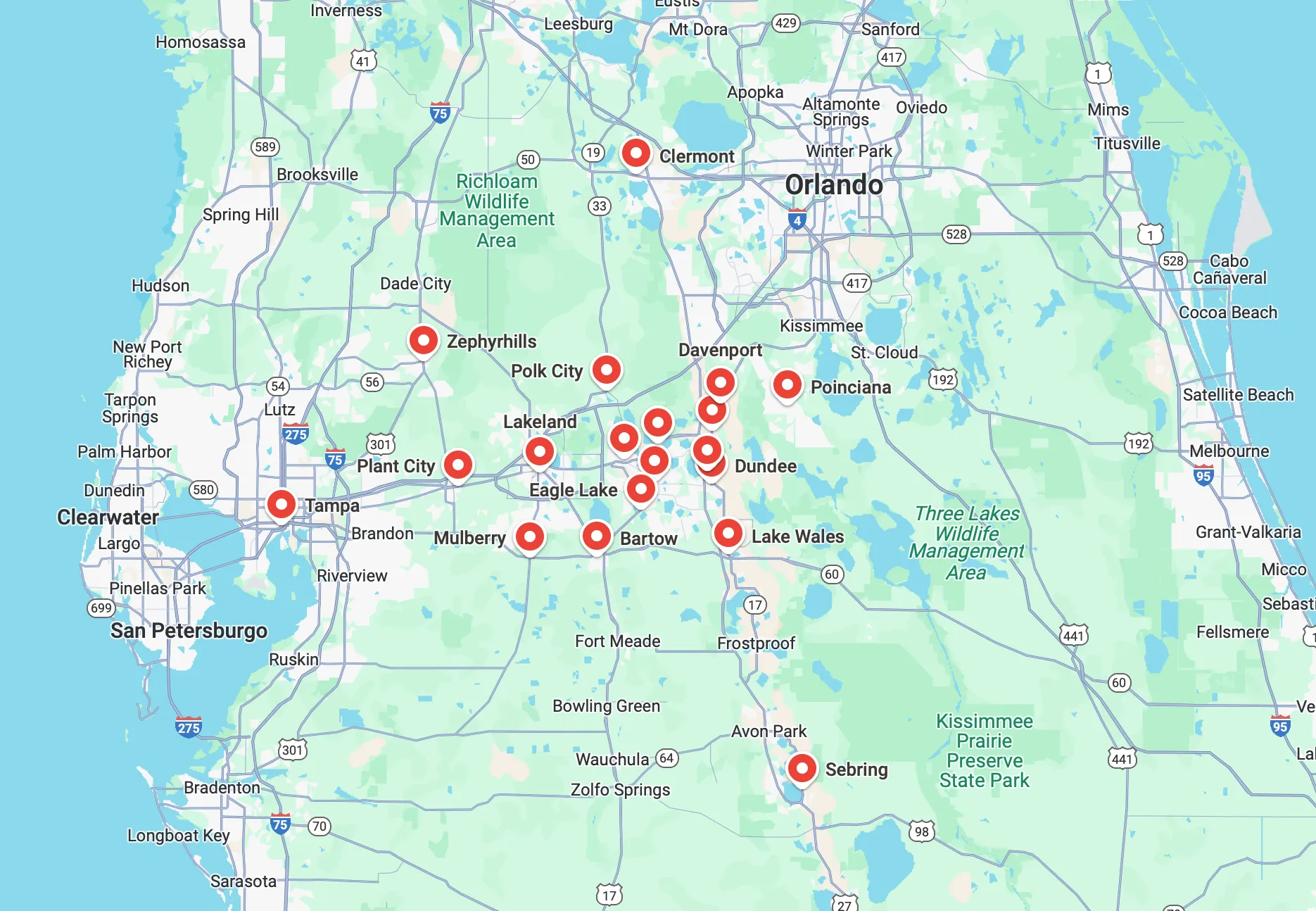
Not sure if we cover your neighborhood? Give us a quick call we’ll let you know in seconds.