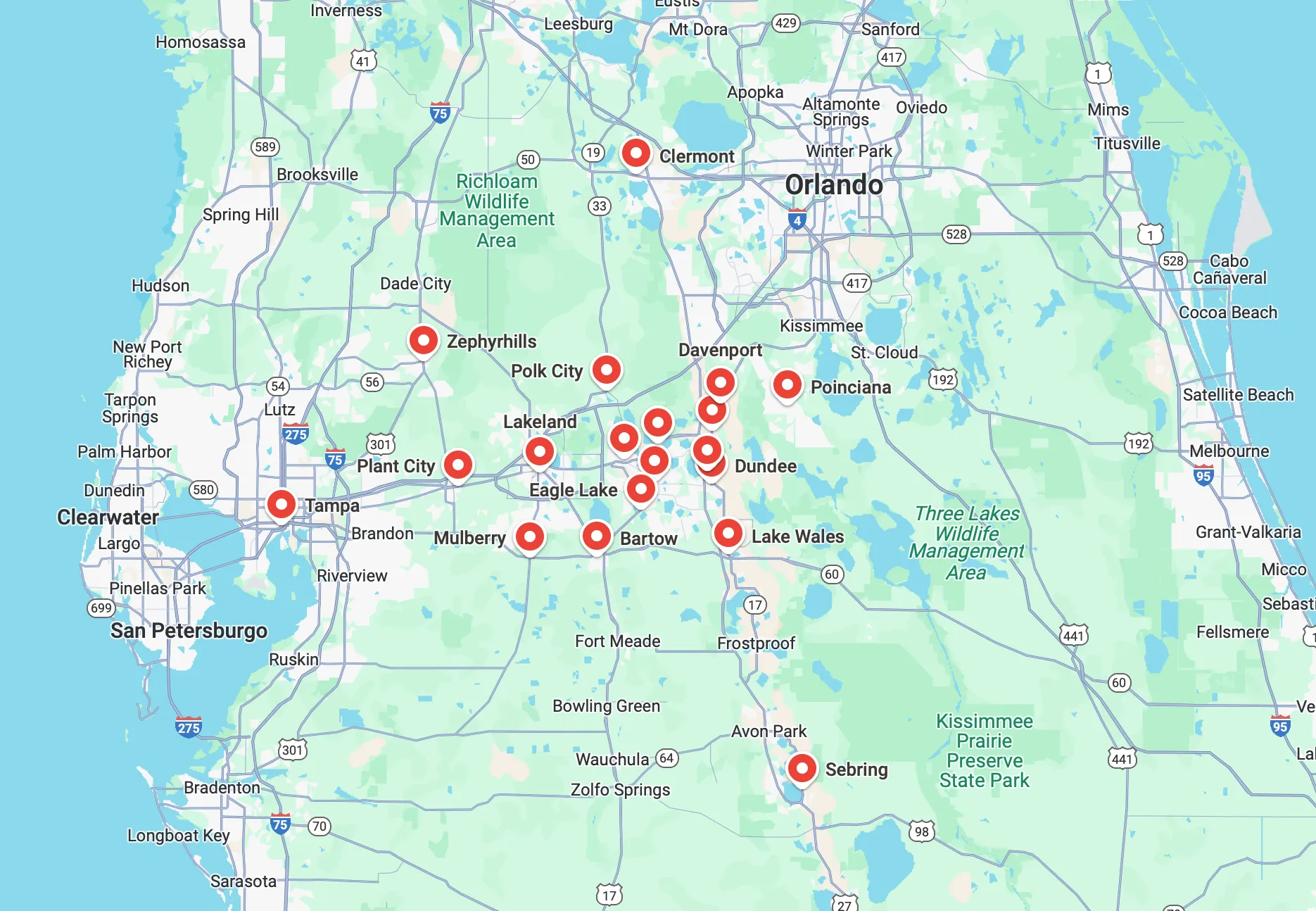
Heat Pump Installation in Mulberry, FL
Heat Pump Installation in Mulberry, FL
An efficient, correctly sized heat pump brings reliable year-round comfort for Mulberry, FL homes - cooling through hot, humid summers and providing efficient heating during mild winters.
.jpeg)
Why a professional heat pump installation matters in Mulberry, FL
Mulberry’s humid subtropical climate drives heavy cooling demand and high indoor humidity for much of the year. A professional installation ensures the system is sized, configured, and commissioned to handle local cooling loads, control moisture, and operate efficiently. Improperly installed heat pumps often cause short cycling, temperature imbalances, higher energy use, and premature equipment failure - problems that are common in homes where installers skip load calculations or neglect ductwork.
Common heat pump problems in Mulberry homes
- Undersized or oversized equipment causing inadequate comfort or short cycling
- Poor ductwork: leaks, undersized runs, or insufficient insulation in attics increase energy use
- High indoor humidity despite cooling - often due to improper airflow or single-stage systems
- Inefficient old equipment with low SEER/HSPF ratings that struggles in summer peak loads
- Refrigerant leaks or under/overcharging from improper installation
- Corrosion-related issues if outdoor units sit in areas with poor airflow or constant moisture
The installation process - step by step
Below is a typical, professional-grade installation workflow tailored for Mulberry, FL residences.
Home assessment and load calculations
- Conduct a room-by-room load calculation (Manual J or equivalent) to determine the correct capacity. This accounts for climate, orientation, windows, insulation, and occupancy patterns common to Polk County homes.
- Inspect existing ductwork (Manual D considerations) and ventilation to identify sealing, insulation, or modification needs.
- Evaluate electrical service capacity and panel space - many heat pumps require dedicated breakers or minor upgrades.
System selection and energy-efficiency considerations
- Choose the right system type for the home: conventional ducted air-source heat pump, high-efficiency variable-speed unit, or ductless mini-splits for non-ducted spaces.
- Prioritize SEER (cooling efficiency) and HSPF / COP (heating efficiency) ratings appropriate for Florida’s climate. Variable-speed compressors and two-stage systems deliver better humidity control and steady comfort.
- Consider matched systems (indoor coil and outdoor unit designed to work together) for optimal performance and warranty compliance.
Permitting and code compliance
- Obtain required permits per Polk County and Florida Building Code. Permits typically cover mechanical, electrical, and sometimes structural work.
- Ensure all work follows local code requirements for refrigerant handling, ventilation, condensate disposal, and electrical connections.
- Final inspections by local building officials confirm safe, code-compliant installation.
Professional installation steps
- Remove and properly dispose of old equipment; reclaim refrigerant to meet EPA requirements (Section 608) using certified technicians.
- Install and secure the outdoor unit on a level pad with adequate clearance for airflow and service access.
- Install indoor coil or air handler, connect refrigerant lines, condensate drain, and electrical wiring per manufacturer specifications.
- Seal and insulate refrigerant lines and ducts, and make necessary ductwork repairs or upgrades to prevent energy loss.
Commissioning and post-installation testing
- Evacuate and charge the refrigerant to manufacturer-specified levels and test for leaks.
- Verify airflow, static pressure, and temperature split to confirm the system is operating correctly.
- Calibrate thermostat controls, check safety controls, and run performance tests under load.
- Provide a handover that explains thermostat settings, filter access, and maintenance basics.
Timeline and what affects it
Typical complete replacements or straightforward installations are completed within a short window once equipment arrives — often in a day or two. Complex jobs that require duct redesign, electrical upgrades, permitting, or custom installation (zoning, mini-splits, or attic modifications) will extend the timeline. Weather (timely permitting and extreme summer demand) and availability of high-efficiency units can also influence scheduling in Mulberry.
Cost factors (what determines price, not specific numbers)
- System type and efficiency rating (higher-efficiency equipment costs more but reduces operating expenses)
- Extent of ductwork repairs, insulation, or redesign
- Electrical upgrades or panel work required for the new unit
- Complexity of installation (multi-zone systems, long refrigerant runs, or attic work)
- Permit and inspection fees set by Polk County and local jurisdictions
Warranty, rebates, and incentives in Florida
- Most manufacturers offer multi-year warranties on compressors and limited warranties on parts; proper installation and system registration are commonly required to maintain full coverage. Labor warranties depend on the installer.
- Federal tax credits for qualifying high-efficiency heat pumps may apply; eligibility typically depends on system efficiency and certification. State or utility rebate programs change periodically in Florida, so homeowners should confirm current local incentives available through Polk County or regional utilities.
- Keep all documentation, receipts, equipment model numbers, and permit paperwork to support warranty claims and rebate or tax credit applications.
Financing options overview
Common financing pathways include home improvement loans, energy-specific financing, and sometimes municipal or utility programs. Some homeowners explore on-bill financing or PACE-style programs where available. Financing options vary by provider and borrower qualifications.
Long-term benefits and maintenance for Mulberry homes
- Improved comfort and humidity control: modern heat pumps balance temperature and moisture better than older equipment.
- Lower operating costs: higher-efficiency units reduce monthly energy consumption, particularly in Florida’s long cooling season.
- Extended equipment life and fewer repairs when installed and commissioned correctly.
- Enhanced indoor air quality when paired with proper filtration, ventilation, and regular maintenance.
Maintenance essentials:
- Replace or clean filters regularly and follow manufacturer maintenance schedules.
- Schedule annual or biannual professional tune-ups before peak cooling season to verify refrigerant levels, electrical connections, and airflow.
- Keep outdoor unit clear of debris, vegetation, and excessive shade that could impede airflow.
- Repair duct leaks and maintain attic insulation to preserve system efficiency.

Customer Testimonials

Service Areas