Optimizing Thermostat Settings & Home Energy Efficiency Through DIY Actions
.webp)
Your Thermostat Is Costing You Money. Here’s How to Fix It.
You glance at your energy bill and feel that familiar sting. It seems like no matter what you do, the cost of keeping your home comfortable keeps climbing. You’ve heard that adjusting the thermostat can help, but by how much? And are there other simple things you’re missing that could make a real difference?
You’re in the right place. Many homeowners feel trapped between high utility bills and home comfort, but the truth is, you have more control than you think. The key isn't just about finding a magic number on your thermostat; it's about understanding how your home uses-and loses-energy.
According to the U.S. Department of Energy, you can save as much as 10% a year on heating and cooling just by turning your thermostat back 7°-10°F for 8 hours a day. That’s a significant return for a minor adjustment. This guide will walk you through the simple, data-backed strategies to not only master your thermostat but also implement low-cost DIY fixes that boost your HVAC system's efficiency.
The Why Behind the Watts: Understanding Your Home's Energy Flow
Before we touch the thermostat, let’s talk about why your AC works so hard in the first place. Your home is constantly engaged in a battle with the outside temperature. In the summer, heat relentlessly tries to get in through a process called heat gain. It seeps through windows, walls, ceilings, and any tiny crack it can find.
Think of your home as having a thermal envelope the barrier that separates the conditioned indoor space from the unconditioned outdoors. The stronger this envelope, the less your HVAC system has to run to maintain your desired temperature. The DIY tips we'll cover later are all about reinforcing this envelope. When you understand this concept, your thermostat stops being a simple dial and becomes a strategic tool.
Master Your Thermostat: The Epicenter of Your Savings
Your thermostat is the command center for up to half of your home's energy consumption. Using it strategically is the single most effective action you can take to lower your bills without spending a dime.
Finding the Sweet Spot: The Best Thermostat Settings for Summer
While personal comfort varies, the Department of Energy provides a clear, efficiency-focused recommendation for summer: set your thermostat to 78°F when you are home and awake.
This might sound warm, but your body can adapt, especially when you use other strategies we'll discuss, like ceiling fans. When you’re asleep or away from home, you can raise the temperature even higher. The larger the difference between the indoor and outdoor temperatures, the harder your system has to work and the more money you spend.
The 1-Degree Difference: How Small Changes Yield Big Returns
Does a single degree really matter? Absolutely. Research consistently shows that for every degree you raise your thermostat in the summer, you can save between 1-3% on your cooling costs.
Let's put that in perspective. If your summer cooling bill is $200 per month, raising the temperature from 74°F to 78°F could save you anywhere from $8 to $24 each month. Those small, consistent adjustments add up to real savings over the course of a cooling season. It’s a powerful incentive to find the warmest temperature you can comfortably live with.
Your Thermostat, Your Ally: Choosing the Right Tool for the Job
The type of thermostat you have influences how easily you can implement these savings strategies.
- Manual Thermostats: These require you to make adjustments by hand. They work perfectly well, but their effectiveness depends entirely on your diligence in changing the temperature when you leave or go to sleep.
- Programmable Thermostats: This is a significant step up. You can set it and forget it, creating a schedule that automatically adjusts the temperature throughout the day. This ensures you’re saving energy without having to think about it.
- Smart Thermostats: These devices learn your patterns and can even use geofencing to detect when you leave and return, adjusting the temperature automatically. They also provide valuable data on your energy usage. If you're looking to maximize your savings, understanding is a great next step.
Beyond the Thermostat: High-Impact DIY Fixes to Boost HVAC Performance
Optimizing your thermostat is step one. Step two is reinforcing your home's thermal envelope to make sure that precious cool air stays inside. These DIY projects are low-cost, high-impact, and can be done in a weekend.
Win the War on Drafts: Your Guide to DIY Air Sealing
Air leaks are silent energy thieves. Small gaps and cracks around windows, doors, electrical outlets, and plumbing penetrations can add up to the equivalent of leaving a window open all year long.
You can tackle this with a trip to the hardware store for caulk and weather stripping.
- Windows: Apply weather stripping around the sash and caulk any gaps between the window frame and the wall.
- Doors: Add weather stripping to the top and sides of the door frame and install a door sweep at the bottom.
- Outlets and Switches: Simple foam gaskets can be installed behind the faceplates on exterior walls to stop drafts.
The Unsung Hero of Cooling: Using Ceiling Fans Correctly
A ceiling fan doesn't actually lower the room's temperature, but it creates a wind-chill effect that can make you feel up to 4°F cooler. This allows you to raise your thermostat setting without sacrificing comfort.
The key is to ensure your fan is spinning counter-clockwise in the summer. This pushes air straight down, creating that cooling breeze. Remember to turn fans off when you leave a room-since they cool people, not rooms, running them in an empty space is just wasted energy.
Harnessing the Sun (and Shade) to Your Advantage
Sunlight streaming through your windows can be a major source of heat gain. During the hottest parts of the day, especially on east- and west-facing windows, use your window coverings.
- Blinds and Curtains: Simply closing them can block a significant amount of solar heat. Light-colored curtains are particularly effective at reflecting sunlight.
- Landscaping: While a longer-term strategy, planting deciduous trees on the south and west sides of your home can provide excellent shade in the summer while letting in sunlight during the winter.
Frequently Asked Questions About Home Energy Efficiency
Navigating energy savings can bring up a lot of questions. Here are clear answers to some of the most common ones.
Will setting my thermostat extra low cool my house faster?
No, this is a common myth. Your air conditioner delivers cold air at a constant rate, regardless of the temperature setting. Setting it to 65°F instead of 75°F won't speed up the cooling process; it will just make the system run longer, wasting energy and money until it reaches that much lower temperature.
Is it better to leave the AC on all day or turn it off when I leave?
For short absences (like going to work), it's more efficient to set the thermostat 7-10 degrees higher than to turn the system off completely. This prevents your AC from having to work overtime to combat all the heat that builds up in the house while it's off. For longer absences, like a vacation, you can set it even higher (e.g., 85°F) or turn it off.
How much can I really save with a smart thermostat?
While savings vary based on your climate, home, and habits, many smart thermostat manufacturers and independent studies suggest average savings between 10-15% on cooling costs. The primary benefit is their ability to optimize settings automatically and eliminate human error, ensuring you're always running your system efficiently.
When do I stop the DIY and call a professional?
DIY fixes like air sealing and optimizing thermostat settings are fantastic first steps. However, you should call a professional for issues involving your HVAC unit itself. If your system is making strange noises, blowing warm air, or running constantly without cooling your home effectively, it’s a sign that it needs expert attention. Regular preventative maintenance is also a job for a pro, as it keeps your system running safely and at peak efficiency.
Your Next Step Towards a More Efficient Home
You now have a powerful, data-backed plan to take control of your energy bills. By combining strategic thermostat settings with simple, effective DIY projects, you can create a more comfortable and efficient home without a major investment. Start by implementing one or two of these tips this week and watch the savings follow.
When you’ve maximized your DIY efforts, the next step is ensuring the heart of your system is in top condition. Professional can uncover hidden inefficiencies, extend the life of your unit, and provide the ultimate peace of mind.

Customer Testimonials

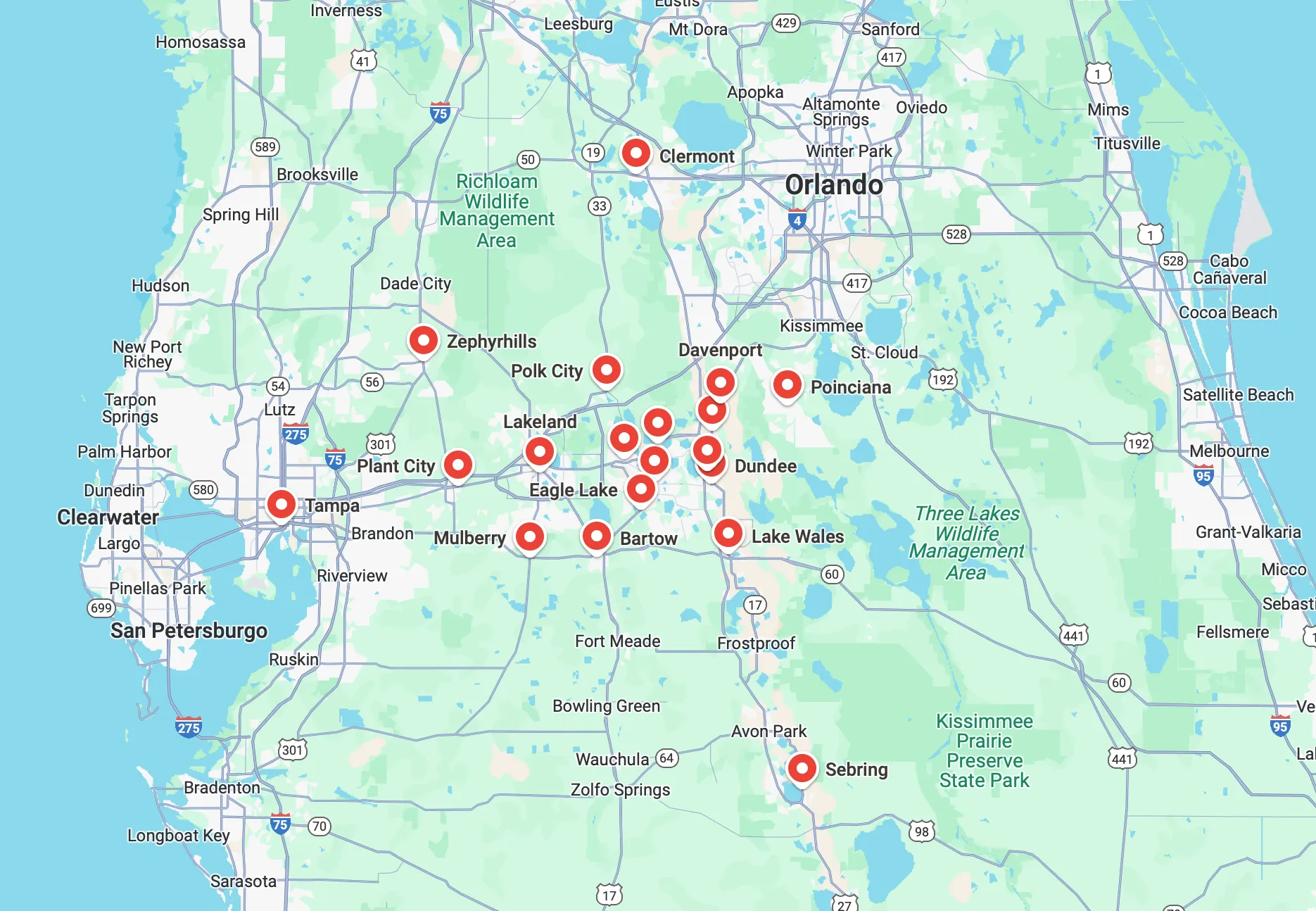
Service Areas