HVAC Emergency Safety: Hazards & Mitigation
.jpeg)
Your Complete HVAC Emergency Safety Guide: From Carbon Monoxide to Fire Hazards
That unsettling feeling in the middle of the night-a strange smell from the vents, a rattling sound from the furnace-it’s a moment every homeowner dreads. You’re left wondering, "Is my family safe? Is my HVAC system about to become a major hazard?" In a world of information overload, finding a clear, trustworthy answer can feel impossible. You need more than a quick fix; you need a comprehensive safety plan from an expert you can rely on.
This guide is designed to be that expert for you. We’ll cut through the noise and address the real safety concerns associated with your heating and cooling system. We're not here to scare you; we're here to empower you with the knowledge to identify risks, prevent emergencies, and act confidently if one occurs. Because at the end of the day, your peace of mind is what matters most.
The Short Answer: Can Your AC Leak Carbon Monoxide?
Let's address the most urgent question first. No, your air conditioner cannot produce carbon monoxide (CO). AC units are all-electric appliances; they don't burn fuel, which is the process that creates CO.
However-and this is a critical distinction-your HVAC system's ductwork can circulate carbon monoxide throughout your home if it's being produced by another appliance. Think of your HVAC system as the respiratory system of your house. If a CO-producing appliance has a leak, the HVAC system can inadvertently pick up that contaminated air and distribute it everywhere, turning a localized problem into a whole-home emergency.
The Real Culprits: Identifying HVAC-Related Hazards
While your AC unit is off the hook, other components of your home's climate control system can pose significant risks if they aren't properly maintained. Understanding these sources is the first step toward prevention.
Carbon Monoxide (CO) Sources
This colorless, odorless gas is a byproduct of incomplete combustion. The most common culprits in your home are fuel-burning appliances, including:
- Gas Furnaces: A cracked heat exchanger or a blocked flue vent can release CO directly into your airstream.
- Gas Water Heaters & Dryers: If these appliances share a utility closet with your furnace, improper venting can lead to CO being pulled into your HVAC system.
- Fireplaces & Gas Stoves: A poorly ventilated fireplace can cause backdrafting, where exhaust fumes, including CO, are pulled back into the home instead of exiting through the chimney.
Electrical Fire Risks
Your HVAC system relies on powerful electrical components. Over time, wear and tear can create fire hazards.
- Frayed Wiring: Old or damaged wiring can short-circuit and spark.
- Overheating Motors: A struggling blower motor can overheat, posing a significant fire risk.
- Failing Capacitors: These small components can overheat and fail, sometimes with a loud pop and smoke.
Natural Gas Leaks
If you have a gas furnace, a leak in the gas line or a crack in the heat exchanger can release natural gas into your home. While not toxic to breathe in the same way as CO, it is highly flammable and creates a serious risk of explosion.
The Silent Threat: Recognizing Early Warning Signs
The most dangerous hazards are the ones you can't easily see or smell. Knowing the subtle signs of a problem can be life-saving.
Symptoms of Carbon Monoxide Poisoning
CO is often called the silent killer because its symptoms are easily mistaken for the flu. If multiple people in your home experience these symptoms simultaneously, and they seem to get better when you leave the house, treat it as a CO emergency.
- Dull headache
- Dizziness or lightheadedness
- Nausea and vomiting
- Shortness of breath
- Confusion and blurred vision
Signs Your HVAC System Needs an Emergency Check
Your system will often give you clues that something is wrong before a full-blown emergency occurs.
- Unusual Smells: A burning smell could indicate an electrical issue. A scent like rotten eggs is the odorant added to natural gas to signal a leak.
- Strange Noises: Banging, rattling, or high-pitched squealing can signal a failing motor or a loose part.
- A Yellow or Flickering Pilot Light: A healthy pilot light on a gas furnace is a steady blue. A yellow, flickering flame indicates a combustion problem that could be producing CO.
- Visible Soot or Streaks: Black streaks around your furnace or vents are a major red flag for improper combustion.
Your Proactive Safety Plan: Prevention is the Best Defense
You don't have to wait for a warning sign to take action. A proactive approach to HVAC safety ensures your system runs reliably and keeps your family protected.
Step 1: Install & Test Carbon Monoxide Detectors
This is non-negotiable. The National Coalition of Auditory Alarm Awareness (NCOAA) cites CO as a leading cause of poisoning deaths, stating that "Carbon monoxide kills hundreds of people and injures hundreds of thousands more per year." A working detector is your first line of defense.
- Placement is Key: Install a detector on each level of your home, including the basement, and outside of sleeping areas.
- Check Them Regularly: Test your detectors monthly and replace the batteries every six months.
Step 2: Schedule Annual Professional Maintenance
The single most effective way to prevent HVAC emergencies is through preventative maintenance. A certified technician can spot issues like a small crack in a heat exchanger or frayed wiring long before they become catastrophic failures.
Step 3: Keep Vents and Flues Clear
Ensure that all intake and exhaust vents on the exterior of your home are free of debris, snow, or landscaping. A blocked flue is a primary cause of CO buildup.
Step 4: Know Your System's Age & History
HVAC systems aren't designed to last forever. If your furnace is over 15-20 years old, it lacks many modern safety features and is at a much higher risk of developing critical failures.
In Case of Emergency: A Step-by-Step Response Guide
Even with the best prevention, emergencies can happen. Knowing exactly what to do in a high-stress situation is crucial.
If You Suspect a Gas or CO Leak:
- Evacuate Immediately: Get everyone, including pets, out of the house and into fresh air.
- Do Not Use Electronics: Don't turn lights on or off, use your cell phone, or operate any appliance. A tiny spark can ignite natural gas.
- Call for Help from Outside: Once you are a safe distance away, call 911 and then your utility company to report the potential leak.
- Stay Out: Do not re-enter your home until emergency responders have declared it safe.
If You Suspect an Electrical Hazard:
- Cut the Power: If you can safely access your home's breaker panel, shut off the main breaker or the one dedicated to your HVAC unit.
- Call a Professional Immediately: Do not attempt to diagnose the problem yourself. Electrical issues require an expert. Our team is available for prompt and reliable AC repairs to safely address the issue.
Why a Certified Technician is Your Most Important Safety Tool
In an emergency, you need more than just a handyman-you need a certified professional. Technicians who are NATE-certified have passed rigorous, real-world tests to prove their expertise in HVAC systems. They are trained to identify safety risks that others might miss, from testing for microscopic cracks in a heat exchanger to ensuring proper electrical voltage and combustion.
Choosing a licensed and certified company like New Bern AC means you're not just getting a repair; you're getting the assurance that the job is done right and your family's safety is the top priority.
Frequently Asked Questions
How often should I have my furnace inspected for safety?
We recommend a comprehensive inspection and tune-up every year before the start of the heating season. This ensures it's clean, efficient, and, most importantly, safe to operate all winter.
What's that burning smell when I turn on the heat for the first time?
Often, this is just dust burning off the heat exchanger after a long summer of inactivity. The smell should dissipate within an hour. If it persists, smells strongly of plastic or rubber, or is accompanied by smoke, turn the system off immediately and call a professional.
Are new HVAC systems safer than old ones?
Absolutely. Modern furnaces are equipped with numerous safety features, such as flame rollout switches, high-limit sensors, and pressure switches that will automatically shut the unit down if an unsafe condition is detected.
Can a dirty air filter cause a safety hazard?
Yes. A severely clogged filter restricts airflow, which can cause the heat exchanger to overheat and crack. This can also lead to the blower motor burning out, creating a fire risk. Regular filter changes are a simple but critical safety step.
Your Safety is Not an Accident
Protecting your home from HVAC-related emergencies isn't about luck; it's about making informed choices. By understanding the risks and partnering with a trusted, professional team, you can enjoy total comfort with complete peace of mind.
Don’t leave your family's well-being to chance. If you have any concerns about your system's safety or are due for a maintenance visit, contact the certified experts at Michael I. Newbern Air Conditioning. Let our family help protect yours.

Customer Testimonials

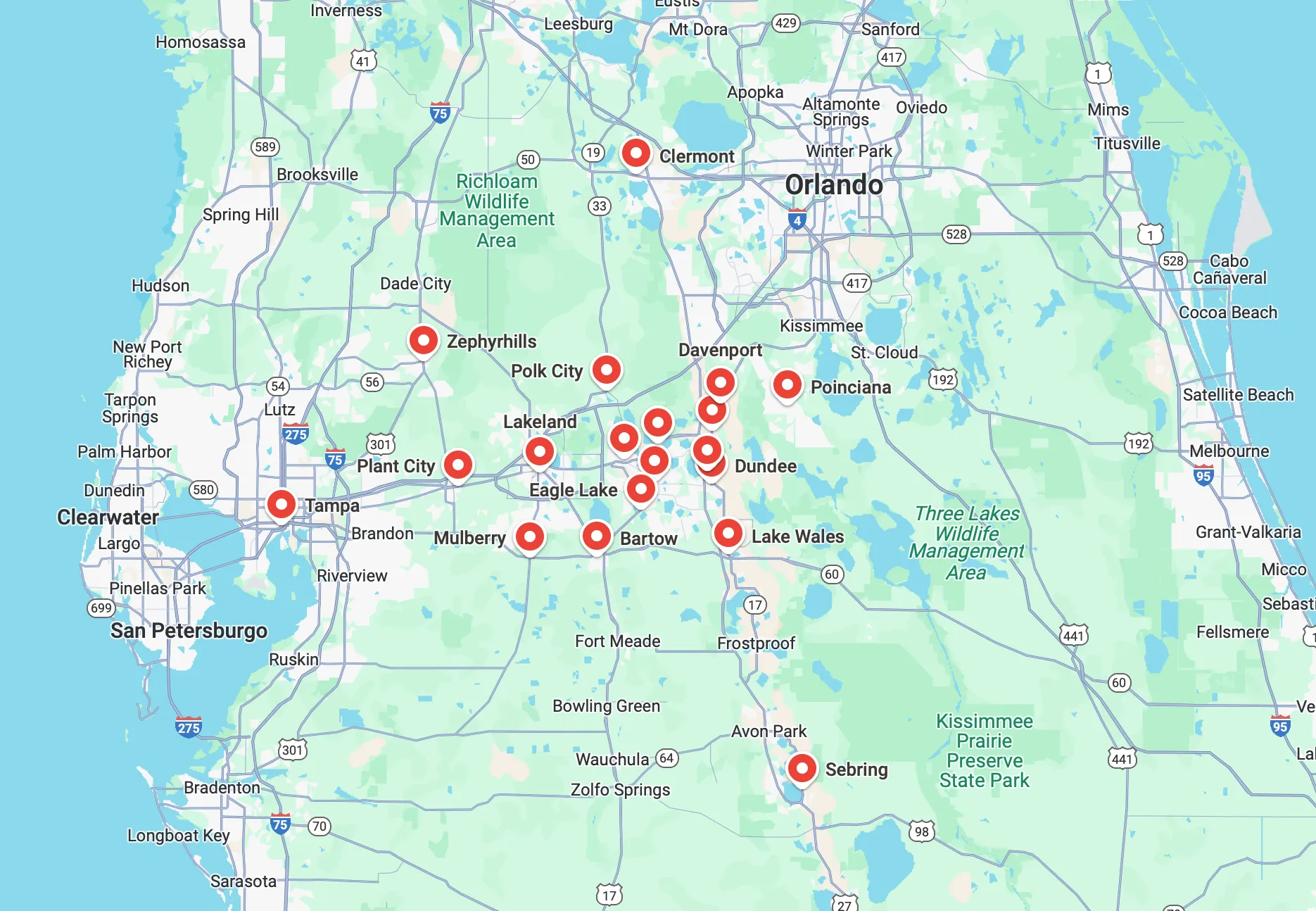
Service Areas