Identifying & Reacting to HVAC Emergencies
.webp)
HVAC Emergency? Your Step-by-Step Guide to Staying Safe & In Control
A sudden, jarring noise from the attic. A strange smell drifting from your vents. When your heating or cooling system fails unexpectedly, a surge of panic is a natural first reaction. Your mind races with questions: Is this dangerous? What do I do right now? How much is this going to cost?
In a moment of high stress, you need more than a list of problems-you need a clear plan. This guide is designed to be your calm, authoritative resource. We'll walk you through a step-by-step process to assess the situation, ensure your family's safety, and make a confident decision, transforming panic into empowered action.
First: Your Immediate Safety Checklist
Before you do anything else, review this checklist. Some HVAC issues pose an immediate risk to your health and safety.
Smell Gas or Rotten Eggs?
This is the most critical warning. Natural gas is odorless, so utility companies add a substance called mercaptan to give it a distinct rotten egg smell.
- Action: Evacuate everyone from the building immediately. Do not turn any lights or appliances on or off. From a safe distance, call 911 and your gas company.
See Sparks, Smoke, or Smell Burning Plastic?
These are signs of a serious electrical malfunction that could lead to a fire.
- Action: Go to your breaker box and shut off the main power to your HVAC system. There should be a clearly labeled switch for "AC," "Furnace," or "Air Handler." Call for [] for our emergency AC repair service immediately.
Is Your Carbon Monoxide Alarm Sounding?
Carbon monoxide (CO) is a colorless, odorless gas that can be fatal. Treat this alarm with the utmost seriousness.
- Action: Evacuate everyone from the building and call 911 from a safe location.
The 3-Step Emergency Triage: Assess Your Situation Like a Pro
Once immediate dangers are ruled out, you can determine the true urgency of your problem. This triage framework helps you diagnose the severity and decide if you need an emergency call or if it can wait.
Step 1: What Do You See, Hear, and Smell?
Your senses are the best diagnostic tools you have. Competitors list problems, but we'll tell you what those problems actually feel like.
Listen to the Sounds:
- Grinding or Screeching: This often indicates a serious mechanical failure, like a problem with the motor's bearings or a broken compressor. This sound is a cry for help from your system.
- Banging or Clanking: Could signal a loose or broken part, like a connecting rod or piston pin inside the compressor. Continuing to run the system can cause catastrophic damage.
- Loud Buzzing or Humming: This frequently points to an electrical issue, such as a failing capacitor or contactor. You might notice the system tries to start but can't.
Identify the Smells:
- Burning Dust: Often normal when you turn on your heat for the first time in the season. It should dissipate within an hour.
- Burning Plastic or Electrical Smell: A serious sign of an overheating motor or wiring issue. Shut the system down at the breaker immediately.
- Sweet, Chloroform-like Odor: This can indicate a refrigerant leak. While not immediately toxic in a well-ventilated space, it means your system's cooling ability is compromised.
Look for Visual Cues:
- Ice on Coils: A frozen evaporator coil (on your indoor unit) or refrigerant lines points to an airflow problem or low refrigerant.
- Significant Water Leaks: While some condensation is normal, a large puddle of water can cause significant property damage.
- Frequently Tripping Breaker: This is a clear sign your system is drawing too much power, pointing to a deeper electrical problem.
Step 2: Is It an Emergency or Just an Inconvenience?
Use this checklist to separate a true emergency from a non-critical issue.
It's likely an emergency if:
- You have a total loss of heat during freezing winter temperatures.
- You have a total loss of cooling during extreme heat, especially if infants, elderly, or medically vulnerable people are in the home.
- The system is making loud, persistent mechanical noises (grinding, banging).
- You notice any electrical smells, smoke, or a constantly tripping breaker.
- There is a significant water leak that threatens to damage your walls, ceiling, or floors.
It might be able to wait if:
- Your system is cooling or heating, but not as effectively as it used to.
- The system is making minor, new noises but is otherwise functioning.
- Your energy bills have slowly increased over time.
- The unit is running more frequently than usual.
Step 3: Can It Wait Until Morning?
This is the question driven by the hidden anxiety of cost. You don’t want to pay for an emergency after-hours call if you don’t have to.
Call for emergency service now if you checked any box in the emergency list above. The risk of catastrophic system failure or property damage is too high.
Schedule a service call for the next business day if: Your issue is from the inconvenience list. While these problems need attention, they typically don't pose an immediate threat and can be addressed during normal hours, saving you the cost of an emergency dispatch.
Your First Response: 4 Safe Steps You Can Take Right Now
Before making a call, there are a few simple troubleshooting steps you can safely perform. This can sometimes resolve the issue or provide valuable information for the technician.
- Check Your Thermostat: It sounds simple, but it solves more problems than you'd think. Ensure it's set to the correct mode ("cool" or "heat"), the temperature is set correctly, and the batteries are fresh.
- Inspect Your Air Filter: A completely clogged filter can restrict airflow so severely that it causes your system to freeze up or shut down. If the filter is visibly dirty, replace it.
- Check the Circuit Breaker: Go to your home's electrical panel. Find the breaker labeled for your HVAC system and see if it has tripped. If it has, you can try flipping it completely off and then back on once. If it trips again immediately, do not reset it again. This indicates a serious electrical problem that requires a professional.
- Clear Your Outdoor Unit: Walk outside to your condenser unit. Make sure it's clear of any debris like leaves, grass clippings, or branches that could be obstructing airflow.
Making the Financial Decision: Repair vs. Replace
When faced with a significant repair, it's hard to know if you're making the right financial choice. HVAC professionals often use a simple guideline known as the "$5000 Rule."
The Formula: (Age of Your System in Years) x (Cost of the Repair)
If the result is more than $5,000, replacement is often the more sensible long-term investment. For example, if your 12-year-old system needs a $500 repair, the calculation is 12 x 500 = $6,000. In this case, putting that money toward a new, more efficient unit might be wiser.
Considering the average HVAC system has a lifespan of 15-20 years, this rule helps you avoid investing heavily in a unit that is already nearing the end of its reliable service life. A new system comes with a warranty, higher efficiency, and peace of mind.
How to Prevent Future Emergencies and Gain Peace of Mind
The stress and uncertainty you're feeling right now can be largely avoided. The single most effective way to prevent surprise breakdowns is through regular, professional maintenance. Just like changing the oil in your car, a tune-up for your HVAC system allows a technician to spot wearing parts, clean critical components, and ensure the entire system is operating safely and efficiently.
Enrolling in one of our preventative maintenance plans is the best way to protect your investment, lower your energy bills, and avoid the disruption of an unexpected system failure.
Frequently Asked Questions
Q: How much does an emergency HVAC service call cost?
A: Emergency calls typically have a higher dispatch fee than standard appointments due to the after-hours or immediate-response nature. However, the cost of not calling for a true emergency-like a water leak causing thousands in property damage—is almost always higher. We provide transparent pricing so you know the costs upfront.
Q: My AC is still blowing air, but it's not cold. Is that an emergency?
A: This isn't an immediate safety emergency, but it does require professional attention. It often points to a refrigerant leak or a problem with the compressor. During a heatwave, this could quickly become an emergency, so it's best to call for service sooner rather than later.
Q: Can a dirty air filter really shut my whole system down?
A: Absolutely. A clogged filter suffocates your system. The restricted airflow can cause the indoor evaporator coil to get so cold that it freezes into a solid block of ice, stopping the cooling process entirely. It's the most common and most preventable cause of service calls.
Finding a Partner You Can Trust in a Crisis
When your system fails, you need more than just a technician-you need a trustworthy advisor who will respond quickly, diagnose the problem accurately, and treat you and your home with respect. Look for a NATE-certified team that has a strong local reputation for reliability and professionalism.
If you’ve gone through our triage and determined you need professional help, we're here for you. Our team is ready to restore your comfort and your peace of mind. Contact Newbern AC for prompt, expert service you can count on.

Customer Testimonials

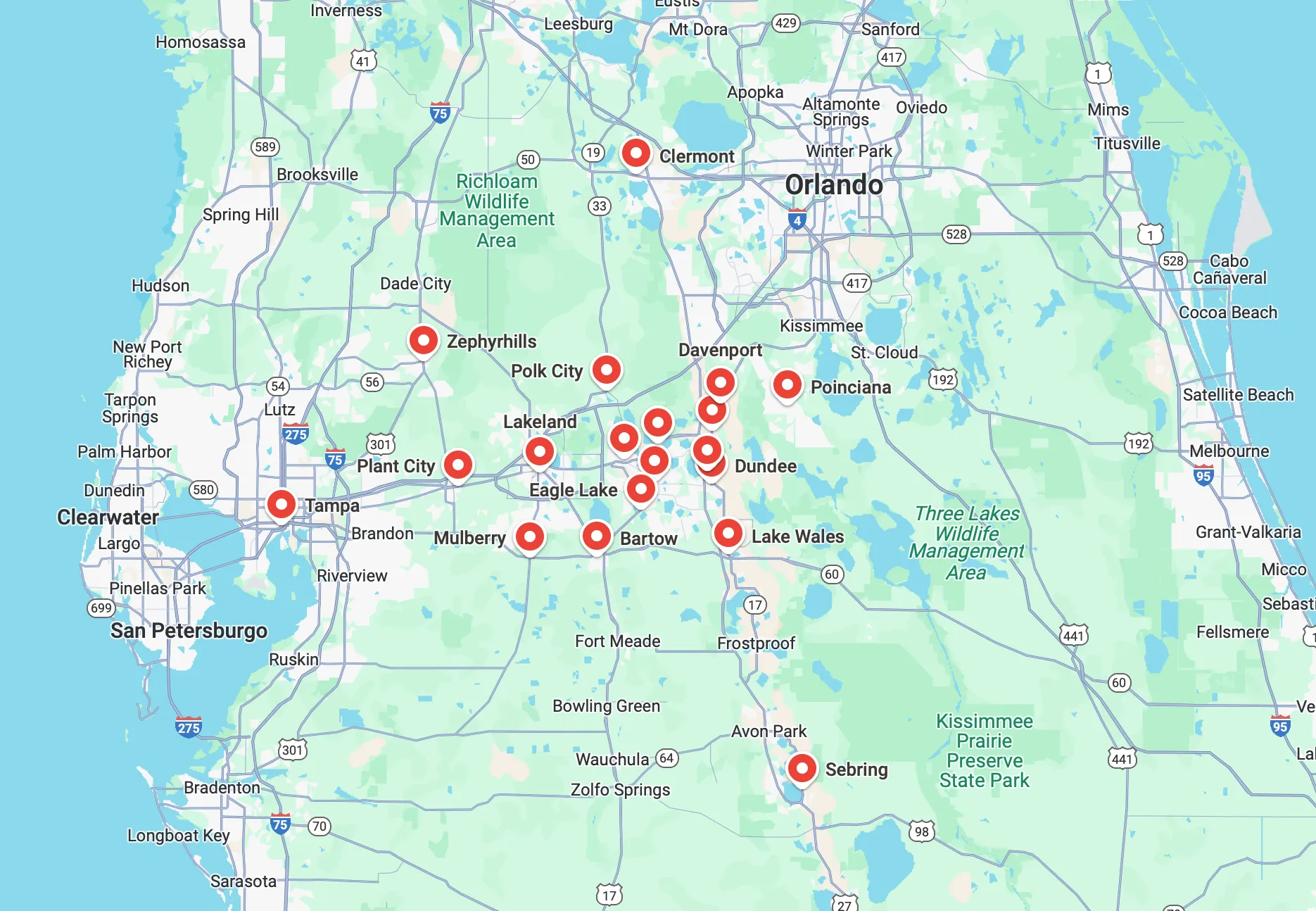
Service Areas