Homeowner's Guide to Routine HVAC Maintenance & Preventative Care
.jpeg)
Your Homeowner's Guide to HVAC Maintenance: Lower Bills, Better Air, Longer Life
Your HVAC system is one of the most expensive and complex appliances in your home. You rely on it for comfort day in and day out, but when was the last time you thought about its health? For many homeowners, the answer is when it broke.
Waiting for a problem is a strategy that often leads to expensive emergency calls and shortened system lifespan. But what if you could take control? What if a few simple, routine tasks could lower your monthly energy bills, improve your family's air quality, and help you avoid costly breakdowns?
This guide is designed to empower you. We’ll walk you through five essential DIY maintenance tasks that every homeowner can-and should-perform. This isn't about complex repairs; it's about smart, preventative care that protects your investment and keeps your home comfortable.
What You'll Learn:
- Task 1: How to Properly Change or Clean Your Air Filter
- Task 2: How to Clean Your Outdoor Condenser Unit for Max Efficiency
- Task 3: How to Check and Clear Your Condensate Drain Line
- Task 4: How to Inspect Vents and Registers for Better Airflow
- Task 5: Your Seasonal HVAC Startup and Shutdown Checklist
The 5 Essential DIY HVAC Maintenance Tasks
Think of these five tasks as a regular health checkup for your home's hardest-working appliance. By mastering them, you're moving from a reactive to a proactive homeowner, saving money and stress in the process.
Task 1: The Air Filter – Your System’s First Line of Defense
Why it matters: A clogged air filter is the number one cause of HVAC system failure. It forces the system to work harder, which drives up your energy bill—as CNET notes, heating and cooling are the biggest energy hogs in your home. A dirty filter also circulates dust, allergens, and other particles throughout your home.
Where to find it: Your filter is typically in one of two places:
- In the return air duct: This is the large vent, often on a wall or ceiling, that pulls air into the system.
- In the air handler cabinet: This is the indoor unit of your HVAC system, usually located in a closet, attic, or basement.
How to Change a Disposable Filter:
- Locate the filter cover and open it. It usually has a simple latch or thumb screw.
- Slide the old, dirty filter out. Note which way the airflow arrow is pointing.
- Slide the new, clean filter in. This is critical: Make sure the arrow on the new filter points in the same direction as the old one. The arrow should always point away from the return duct and toward the main air handler unit.
- Close the cover securely. We recommend writing the date on the side of the new filter so you know when it was last changed.
How to Clean a Reusable Filter:
- Remove the filter as described above.
- Gently vacuum the surface to remove loose dust and debris.
- Rinse it with a garden hose or in a sink, using low pressure. Let the water flow in the opposite direction of the normal airflow to push debris out.
- If it's particularly greasy, you can use a mild solution of water and dish soap. Avoid harsh chemicals.
- Allow the filter to dry completely before reinstalling it. A wet filter can lead to mold and mildew growth.
While a standard filter is a great start, many homeowners find that upgrading can significantly impact allergies and air quality. Learning more about choosing the right air filter can help you find the perfect fit for your home.
Task 2: The Outdoor Condenser Unit – Keeping It Clean for Maximum Efficiency
Why it matters: Your outdoor AC unit's job is to release heat from your home into the outside air. When it's covered in dirt, leaves, and grass clippings, it's like forcing it to wear a winter coat in the middle of summer. It can't breathe, so it works harder, uses more electricity, and wears out faster.
Step-by-Step Cleaning Guide:
- Turn Off the Power. This is a crucial safety step. Find the electrical disconnect box near the unit (usually a metal box on the wall) and either pull the handle out or flip the switch to "Off." You can also turn it off at your main breaker panel.
- Clear Debris. Use your hands or a soft brush to remove leaves, twigs, and any other debris from the top and sides of the unit. Trim back any bushes or plants so there are at least two feet of clear space around the entire unit.
- Gently Rinse the Fins. Use a garden hose with a low-pressure spray nozzle to gently rinse the metal fins from the inside out (if possible) or from the top down. This pushes the dirt out instead of driving it deeper. Never use a pressure washer, as it can easily damage the delicate fins.
- Straighten Bent Fins. If you notice any bent fins, you can gently straighten them using a dinner knife or a fin comb, which is available at most home improvement stores. Be careful not to puncture the tubing behind the fins.
Task 3: The Condensate Drain Line – Your Best Defense Against Water Damage
Why it matters: Your air conditioner doesn't just cool the air; it also removes humidity. That moisture is collected and drained away through a small PVC pipe called the condensate line. Over time, this line can get clogged with sludge and algae, causing water to back up and potentially spill into your home, leading to costly water damage.
A Simple Clearing Guide:
- Locate your drain line, which is usually a white PVC pipe coming from your indoor air handler unit.
- Find the access point, which is typically a T-shaped vent with a cap.
- Remove the cap and slowly pour one cup of distilled white vinegar into the pipe. This helps kill any algae or gunk buildup. Let it sit for about 30 minutes.
- Follow up by flushing the line with water.
- For tougher clogs, you can use a wet/dry shop vacuum to suction the clog out from the end of the drain line outside your home.
Task 4: Vents and Registers – Ensuring Consistent Airflow
Why it matters: Blocked or dirty vents disrupt the airflow your HVAC system was designed for. This can lead to hot and cold spots in your home and put unnecessary strain on your system's fan motor.
Quick Inspection Checklist:
- Walk through your home and ensure that none of your supply or return vents are blocked by furniture, rugs, or curtains.
- Remove the vent covers and use a vacuum with a brush attachment to clean out any dust or debris.
- Make sure the dampers on your vents are open in the rooms you are using.
Task 5: The Seasonal Startup & Shutdown Checklist
Why it matters: A quick check-in at the beginning of each heating and cooling season can help you catch small issues before they become big problems.
Spring A/C Startup Checklist:
- Clean or replace your air filter.
- Clean the outdoor condenser unit (Task 2).
- Check that the condensate drain is clear (Task 3).
- Turn the power back on at the disconnect box.
- Set your thermostat to "Cool" and test the system.
Fall Furnace Startup Checklist:
- Clean or replace your air filter.
- Clear the area around your indoor furnace, ensuring there are no flammable items nearby.
- Test your carbon monoxide and smoke detectors.
- Set your thermostat to "Heat" and ensure warm air is coming from the vents.
FAQ: Your Top HVAC Maintenance Questions Answered
How often should I change my filter?
For standard 1-inch filters, every 1-3 months. If you have pets, smokers, or allergy sufferers in the home, check it monthly. For larger 4-5 inch media filters, every 6-12 months.
Can I wash a disposable filter?
No. Disposable fiberglass or paper filters are not designed to be washed. Water will damage the material and can lead to mold growth. Only filters explicitly marked as reusable or washable should be cleaned.
Which way does the airflow arrow on the filter go again?
The arrow always points toward the main HVAC unit and away from the room's air. It follows the path the air takes into the system for cleaning.
What happens if I don't clean my outdoor AC unit?
A dirty unit works much harder to cool your home. This leads to significantly higher energy bills, reduced cooling performance, and can cause the compressor-the most expensive part of your AC-to overheat and fail prematurely.
Knowing Your Limits: When to Call a Professional
This guide empowers you to handle the routine care that keeps your system healthy. However, some jobs are best left to a trained and certified technician. You should always call a professional for:
- Electrical Issues: Any problems with wiring, capacitors, or contactors.
- Refrigerant Leaks: Handling refrigerant requires special certification and tools.
- Mechanical Failures: Strange noises like grinding or squealing often point to a failing motor or fan.
- Annual Tune-Ups: A professional tune-up goes deeper than DIY care, including cleaning internal components, checking refrigerant levels, and testing electrical connections to ensure safety and peak efficiency.
Regular DIY care combined with an annual professional check-up is the ultimate strategy for extending the life of your system. Our comprehensive preventative maintenance plans take the guesswork out of HVAC care, ensuring your system runs reliably all year long.
By investing a small amount of time in these simple tasks, you're not just maintaining an appliance-you're protecting your home, your wallet, and your family's comfort. If you've gone through this checklist and still feel something isn't right, or if you'd simply prefer to leave it to the experts, our NATE-certified team at Newbern AC is always here to help.

Customer Testimonials

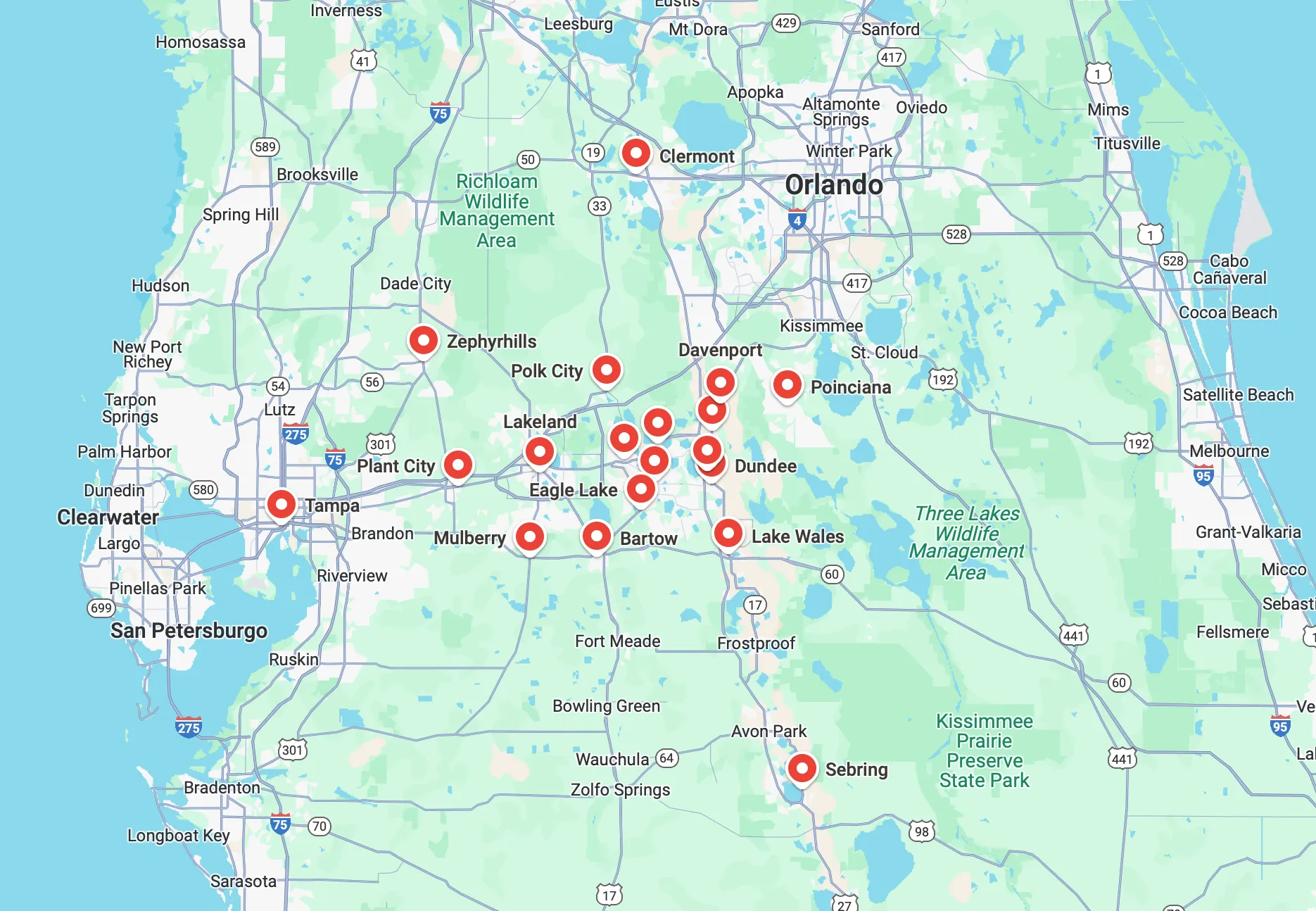
Service Areas