Essential DIY HVAC Troubleshooting Steps for Homeowners
.webp)
Your HVAC System Stopped Working? Here’s What to Check Before You Call
That moment of realization-the air from your vents isn't cold anymore, or the heat won't kick on during a surprise cold snap. It’s a frustrating experience that immediately brings two questions to mind: What's wrong? and How much is this going to cost?
Before you pick up the phone, take a deep breath. Many common HVAC issues don't require an expensive service call. As homeowners seek to feel more empowered and avoid unnecessary costs, they often discover that the solution is a simple fix they can handle in minutes.
This guide is designed to be your first line of defense. We'll walk you through the same initial steps a professional technician would take, helping you diagnose and potentially resolve the issue yourself. Think of this as a one-on-one consultation to build your confidence and help you make an informed decision, whether that’s a quick DIY fix or a call for professional help.
The 3-Minute HVAC Fix: Always Start Here!
In our experience, a significant percentage of service calls can be traced back to one of three simple issues. Before diving into anything more complex, run through this quick-start checklist. It addresses the most common culprits and could have your system back up and running in less time than it takes to find our phone number.
Check 1: Your Thermostat - The Brain of the Operation
The thermostat is your system's command center, but it's often overlooked. A wrong setting can easily mimic a major system failure.
- Is it set correctly? Ensure it’s switched to "Cool" or "Heat" and not "Off."
- Is the temperature set properly? For cooling, set it at least 5 degrees below the current room temperature. For heating, set it 5 degrees above.
- Does it have power? If the screen is blank, try replacing the batteries. Many digital thermostats rely on them for power.
Check 2: Your Air Filter - The Lungs of Your System
A clogged air filter is the number one cause of reduced airflow and system strain. It forces your HVAC unit to work harder to pull in air, which can lead to overheating, freezing up, and eventually, a complete shutdown.
- Locate your filter: It's typically in the return air duct or inside the indoor air handler unit.
- Inspect it: Hold the filter up to a light. If you can't see light through it, it's too dirty.
- Replace if necessary: A clean filter is a cheap and effective way to improve performance and prevent bigger problems. We recommend checking it monthly.
Check 3: Your Circuit Breaker - The Power Source
Like any major appliance, your HVAC system has dedicated circuits in your home's electrical panel. A power surge or system overload can cause a breaker to trip, cutting off power as a safety measure.
- Find your breaker box: It's usually in a garage, basement, or utility closet.
- Look for the HVAC labels: There should be one for the indoor unit ("Furnace" or "Air Handler") and one for the outdoor unit ("AC" or "Condenser").
- Check for a tripped breaker: A tripped breaker will be shifted to the middle or "off" position. Flip it firmly to the "off" position and then back to "on" to reset it.
A Symptom-Based Guide to HVAC Troubleshooting
If the quick fixes didn't solve the problem, it's time to play detective. Use the specific symptom you're experiencing to guide your next steps. This framework helps you narrow down the possibilities and understand the clear line between a safe DIY check and a necessary professional call.
Symptom 1: My AC Isn't Cooling (or Furnace Isn't Heating)
Your system is running, but the air coming out of the vents isn't the right temperature. This points to a problem with the heating or cooling function itself, not just the fan.
- DIY Check: Inspect the Outdoor Unit. Go outside and look at your condenser (the big metal box with a fan). Is it running? Are the sides blocked by leaves, overgrown shrubs, or other debris? Your unit needs at least two feet of clear space around it to breathe. Gently clear away any obstructions.
- DIY Check: Look for a Clogged Condensate Line. Your AC removes humidity from the air, which drains away through a PVC pipe. If this line gets clogged with algae or debris, a safety switch will often shut down the outdoor unit to prevent water damage. You can often clear minor clogs yourself where the pipe drains outside.
- When to Call a Pro: If you see ice forming on the refrigerant lines or the outdoor unit itself, it’s a sign of a problem like a refrigerant leak or severe airflow restriction. Don’t try to fix this yourself; refrigerant is a hazardous material that requires certified handling. Our guide on what to do when your AC isn't cooling provides more detail on these specific scenarios.
Symptom 2: My System Won't Turn On at All
If nothing happens when the thermostat calls for air-no clicks, no fan, no sounds at all-the issue is likely related to power or a safety switch.
- DIY Check: Find the Emergency Shutoff Switch. Many indoor units have a power switch, often resembling a standard light switch, located on or near the unit. Make sure it hasn't been accidentally turned off.
- DIY Check: Check the Blower Door Safety Switch. The panel covering your indoor unit's blower motor has a safety switch that cuts power when the door is removed. Ensure this panel is securely in place.
- When to Call a Pro: If you've checked the breakers and these switches and the system is still dead, you may have a more complex electrical issue. Our experts can perform basic electrical checks for non-responsive units safely and efficiently.
Symptom 3: I Hear Strange Noises
Your HVAC system should produce a consistent, low hum. Loud, sudden, or unusual noises are a clear signal that something is wrong.
- DIY Check: Look for Debris. A rattling noise could be caused by a loose panel or something as simple as a stick or leaves hitting the fan blades in the outdoor unit. After turning off the power at the breaker, you can safely inspect and remove any visible debris.
- When to Call a Pro: Don't ignore mechanical sounds. A grinding or squealing noise often points to a failing motor or bearing. A loud banging or clanking could indicate a broken internal component. Continuing to run the system can cause catastrophic damage. Let a professional diagnose those strange HVAC noises before a small problem becomes a major one. This also applies if you need help with troubleshooting furnace pilot light issues, which can be a source of concerning sounds.
Symptom 4: There's Weak or No Airflow
If the system is running but you feel very little air coming from your vents, you have an airflow problem.
- DIY Check: Check All Vents and Registers. Walk through your home and make sure all the vents are open and not blocked by furniture, rugs, or drapes.
- DIY Check: Perform a Quick Ductwork Inspection. Look at any visible ductwork in your attic or crawlspace. Do you see any large tears or disconnected sections?
- When to Call a Pro: If all your vents are open and the filter is clean, you might have a blockage deep inside your ductwork or a problem with the blower motor itself. These issues require specialized tools to diagnose and fix.
Know Your Limits: When DIY Becomes Dangerous
Empowerment is key, but so is safety. While the checks above are safe for any homeowner, certain tasks should always be left to a NATE-certified professional. Your safety is not worth the risk.
- Refrigerant Issues: Handling refrigerant requires an EPA license. It's a hazardous substance, and a leak is a serious environmental and system health problem.
- Major Electrical Work: Anything beyond resetting a breaker, like replacing capacitors, contactors, or wiring, poses a serious risk of electrocution if not done correctly.
- Gas Leaks or Furnace Components: If you smell gas, leave your home immediately and call your gas company from a safe distance. Do not attempt to repair gas furnaces yourself.
- Motor or Compressor Replacement: These are core components that require complex, specialized labor to replace.
The Big Decision: Should You Repair or Replace Your HVAC?
If your troubleshooting leads you to a problem that requires a professional, you're at a critical decision point. This is especially true for older systems. To help homeowners make a sound financial choice, we rely on a trusted industry guideline known as the 50% Rule.
The rule is simple: If the cost of a repair is 50% or more of the cost of a new, comparable system, replacement is almost always the better long-term investment.
Consider these factors:
- Age: If your AC is over 10-12 years old, major repairs are often just the beginning of more frequent breakdowns.
- Efficiency: A new system can be significantly more energy-efficient, saving you money on your utility bills every month.
- Reliability: A new unit comes with a warranty and the peace of mind that you won't be facing another unexpected breakdown anytime soon.
Frequently Asked Questions
1. How can I be sure it's a simple fix and not something serious?
Follow the steps in this guide. The simple fixes-thermostat, filter, breaker-address non-mechanical issues. If your problem involves strange noises, ice buildup, or a complete lack of power after resetting the breaker, it's a strong indicator that you need a professional diagnosis.
2. What tools do I need for these basic checks?
For everything covered here, you won't need much. We recommend having a flashlight to see into dark spaces, a screwdriver for panel access (if needed), and a fresh set of batteries for your thermostat. Most importantly, have a new, correct-sized air filter on hand.
3. How much does a typical service call cost if I can't fix it myself?
While costs vary, a diagnostic service call typically involves a flat fee that covers the technician's time and expertise to identify the problem. From there, they will provide a clear, upfront quote for the repair itself, including parts and labor. We believe in transparent pricing with no surprises.
4. Can I really trust an HVAC technician's diagnosis?
Trust is everything in our business. That's why we encourage homeowners to become informed with guides like this one. When you understand the basics, you can have a more confident conversation with your technician. A trustworthy professional will always take the time to show you the problem, explain the solution, and provide clear options without pressure. At Newbern AC, we treat you like family, and that means giving you honest, expert advice every time.
Your Trusted Partner in Home Comfort
Running through these troubleshooting steps empowers you to handle minor issues and understand what's happening with your system. But more importantly, it helps you know with confidence when it's time to call for backup.
If you’ve completed this checklist and your system is still on the fritz, or if you’ve uncovered a problem that requires a professional hand, we’re here to help. The NATE-certified team at Newbern AC has the expertise to diagnose the issue accurately and restore your comfort quickly.
Contact us today for a professional assessment. We’ll get to the bottom of the problem and provide you with clear solutions to get your home feeling right again.

Customer Testimonials

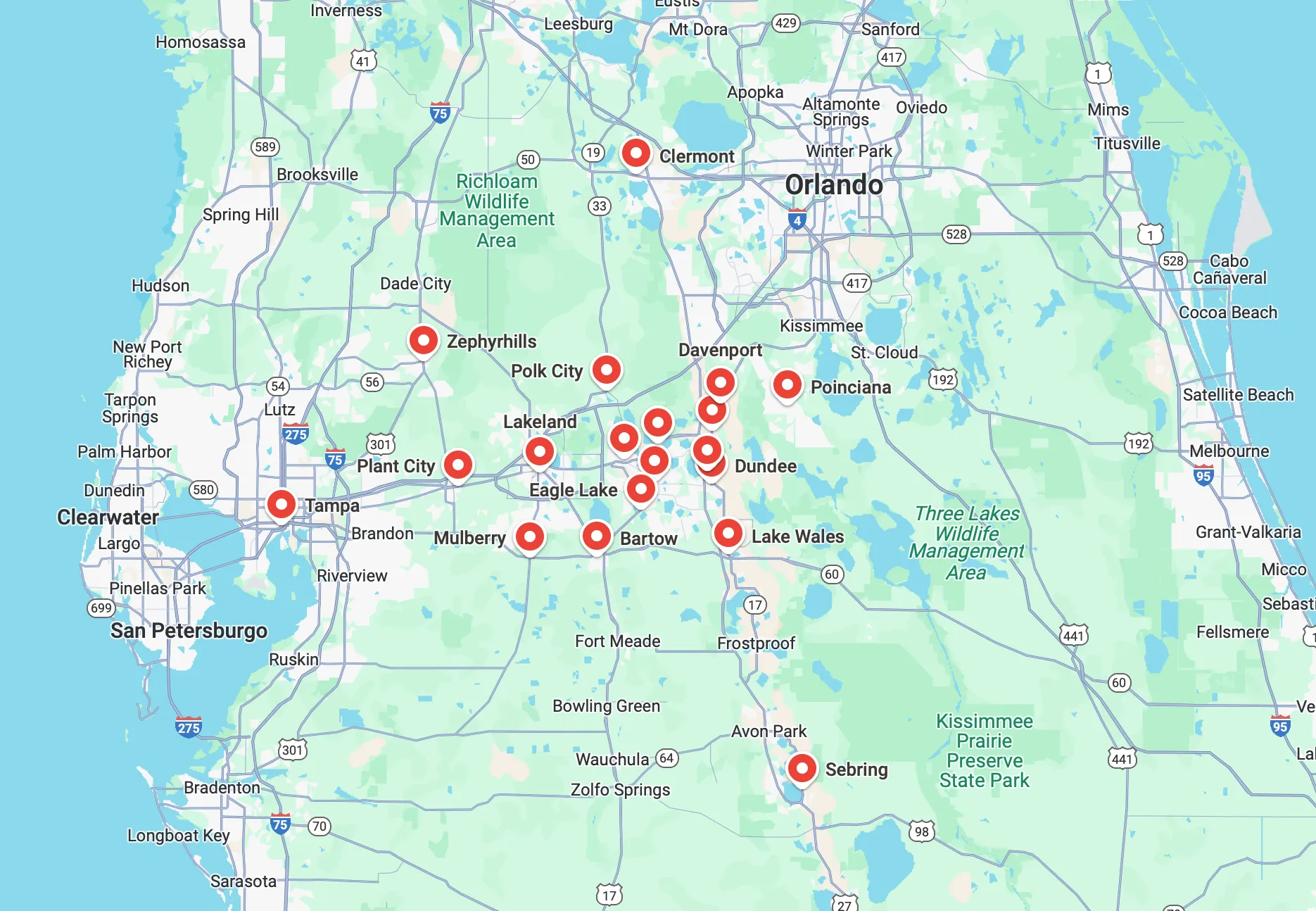
Service Areas