Recognizing When to Call a Professional HVAC Technician: Red Flags & Safety Concerns
-min.jpeg)
Your HVAC System is Acting Up. Is it a DIY Fix or Time to Call a Professional?
You hear a strange noise from the air conditioner, notice a small puddle, or realize the air just isn't as cold as it used to be. The immediate question is always the same: Is this a simple fix I can handle myself, or is it a serious problem that needs an expert?
You're right to pause and evaluate. Making the wrong choice can lead to an expensive, unnecessary service call or, worse, a minor issue snowballing into a catastrophic system failure.
Many guides give you a generic list of symptoms. This one is different. We’re going to go deeper, explaining not just what the signs are, but why they’re happening and-most importantly-how to gauge the urgency. This is the guide that will help you move from uncertainty to a confident decision, protecting both your safety and your wallet.
The Homeowner's First Response Checklist
Before you pick up the phone, running through these four simple checks can sometimes solve the problem instantly, saving you the cost of a service visit. Our goal is to help you find the right solution, and often, it starts here.
- Check the Thermostat: Is it set to "Cool"? Are the batteries fresh? Has a setting been accidentally changed? It sounds basic, but thermostat errors are one of the most common reasons for a service call.
- Inspect the Air Filter: A clogged air filter is the number one cause of reduced airflow and poor cooling. It can starve your system of air, causing the indoor coil to freeze over. Pull it out and hold it up to a light. If you can't see light through it, it's time for a change.
- Look at the Circuit Breaker: Head to your electrical panel and find the breakers labeled "Air Conditioner," "Furnace," or "Air Handler." Sometimes a power surge can trip a breaker. If it's tripped, switch it fully off and then back on—just once. If it trips again immediately, you have an electrical issue that requires a professional.
- Ensure Vents Are Open and Unblocked: Walk through your home and check that all supply and return vents are open and not blocked by furniture, rugs, or drapes. Proper airflow is critical for your system to work efficiently.
If you’ve checked these four things and the problem persists, it’s time to consult the next section.
The Symptom & Urgency Matrix: A Quick Diagnostic Guide
This is your at-a-glance guide to understanding what your HVAC system is telling you. We’ve organized common symptoms by category and assigned a clear risk level to help you prioritize your next step.
Category: Strange Noises
Grinding or Screeching Worn-out motor bearings in the fan or compressor
HIGH (Orange) Turn off the system to prevent the motor from seizing completely. Schedule a service call soon.
Loud Banging or Clanking
A loose or broken part, like a fan blade or connecting rod inside the compressor.
CRITICAL (Red) Shut down the system immediately to prevent catastrophic damage. Call for emergency service.
Constant Buzzing or Humming
An electrical issue, often with the capacitor or a contactor.
HIGH (Orange) While not an immediate emergency, this needs professional attention before the part fails and damages the motor.
Hissing or Whistling
Could be a significant duct leak or, more seriously, a refrigerant leak.
HIGH (Orange) If you suspect a refrigerant leak, call a pro. It’s harmful to the environment and your system.
Category: Leaks & Odors
Puddle of Water Indoors
A clogged condensate drain line.
MEDIUM (Yellow)
This can cause water damage. While not an emergency, it should be addressed promptly. You might be able to clear it yourself at the drain exit, but if unsure, call a professional.
Burning or "Gunpowder" Smell
Overheating electrical components or a failing motor.
CRITICAL (Red)
Shut off the system at the breaker immediately due to fire risk. Do not turn it back on. Call for emergency service.
Musty or "Dirty Sock" Smell
Mold or mildew growth on the indoor coil or in the ductwork.
MEDIUM (Yellow)
This is an air quality concern. Schedule a system cleaning and inspection.
Rotten Egg Smell (Gas Furnace)
A potential natural gas leak.
DANGER (Red)
Do NOT turn on lights or use your phone. Leave the house immediately, then call 911 and your gas company from a safe distance.
Category: Performance Issues
AC Blows Warm or Tepid Air
Low refrigerant, a failing compressor, or a dirty outdoor coil.
HIGH (Orange)
Your system is working hard for no reason. This requires a professional diagnosis.
System is Short-Cycling
Constantly turning on and off for short periods.
HIGH (Orange)
This could be a clogged filter, a thermostat issue, or a sign of an oversized system. It causes extreme wear and tear.
Ice on Refrigerant Lines/Coil
Restricted airflow (dirty filter) or low refrigerant.
HIGH (Orange)
Turn off the AC but leave the fan running to melt the ice. A frozen system cannot be properly diagnosed. Once thawed, call a technician to find the root cause.
Deep Dive: Understanding the "Why" Behind the Red Flags
Knowing a symptom is one thing; understanding the mechanical issue behind it empowers you to have a more informed conversation with your technician.
Why Strange Noises Are a Cry for Help
Your HVAC system is a complex machine. Noises are its primary way of telling you something is wrong.
- Grinding: Think of this as the sound of metal-on-metal. The bearings inside a motor are designed to let it spin smoothly. When they fail, the motor shaft grinds against its housing, creating immense friction and heat. Ignoring this is the fastest way to turn a repairable motor into a total replacement.
- Banging: A loud bang, especially on startup or shutdown, often means a part has come loose and is being thrown around inside the unit. This could be a fan blade in your outdoor unit or a component inside the sealed compressor. Continuing to run the system is like leaving a wrench rattling around inside your car's engine-the damage will multiply quickly.
Electrical Issues You Can't Ignore
A faint burning smell near a vent or your indoor unit is one of the most serious warning signs. It indicates that an electrical component-a wire, a capacitor, or the motor itself-is overheating and melting its plastic coating. This is a significant fire hazard. Don't just hope it goes away; shut the system off at the breaker and schedule an for a thorough inspection.
Short-Cycling: The Silent Killer of Compressors
When your AC runs for just a few minutes, shuts off, and then kicks back on again, it's called short-cycling. This is incredibly damaging. The compressor-the heart of your air conditioner-uses a surge of electricity and endures high pressure every time it starts. A normal cycle might be 15-20 minutes. Short-cycling forces it to start and stop constantly, dramatically accelerating wear and tear and leading to premature failure, which is the single most expensive repair your AC can face.
The Financial Crossroads: The "$5,000 Rule" for Repair vs. Replace
If you're facing a significant repair bill on an older system, you'll inevitably ask: "Is it worth fixing?"
Industry experts often use a simple guideline called the "$5,000 Rule" to help make this decision.
The formula is: (Age of HVAC System) x (Cost of Repair) = ?
If the result is greater than $5,000, it’s generally recommended to replace the unit. If it's less than $5,000, a repair is likely the more cost-effective choice.
Example: Your 12-year-old air conditioner needs a $450 fan motor replacement.
12 years * $450 = $5,400.
Since $5,400 is greater than $5,000, investing in a new, more efficient system might be the smarter long-term financial move. This rule isn't absolute, but it provides a solid, data-driven framework for your decision. When you're ready to explore options, you can get a [] on a new system.
How to Choose a Trustworthy HVAC Technician
Once you've decided to make the call, you want to be sure you're bringing in a true professional. Look for a company that:
- Employs NATE-Certified Technicians: NATE (North American Technician Excellence) certification is the gold standard in the HVAC industry, ensuring the technician has proven, real-world knowledge.
- Is Licensed and Insured: This protects you and ensures they adhere to state and local codes. Our Florida license is #CAC1813758.
- Has Positive, Consistent Reviews: Look for feedback that mentions professionalism, punctuality, and fair pricing—all signs of a company that values its customers.
- Offers Transparent Estimates: A trustworthy company will diagnose the problem and explain the costs clearly before any work begins.
Frequently Asked Questions
Q: I'm worried about being overcharged. How can I protect myself?
A: The best protection is information. By understanding the potential causes of your issue from this guide, you can have a more confident conversation with a technician. Always ask for a written estimate that breaks down the cost of parts and labor before approving a repair.
Q: My AC is still working, but it's making a humming noise. Can this wait?
A: A humming noise is often an early warning sign of a failing electrical component, like a capacitor. While the system may still run, the component is under stress and will eventually fail, potentially taking the much more expensive fan motor or compressor with it. It’s far more cost-effective to address it proactively with a scheduled [] than to wait for an emergency breakdown on the hottest day of the year.
Q: How do I know if the water around my indoor unit is a plumbing leak or an AC issue?
A: AC condensate is just water pulled from the air, so it will be clean and odorless. If the water has a color or an odor, it's more likely a plumbing issue. If it's clear and located right under the indoor air handler, it's almost certainly a clogged condensate drain from your AC system.
Making the right call for your HVAC system doesn't have to be a guessing game. By understanding these warning signs and the risks they represent, you can act decisively to protect your home, your family, and your investment.
When you need a professional partner you can trust to diagnose the problem correctly and offer a fair solution, we're here to help. Reach out to the experts at New Bern AC for prompt, professional service in the Auburndale area.

Customer Testimonials

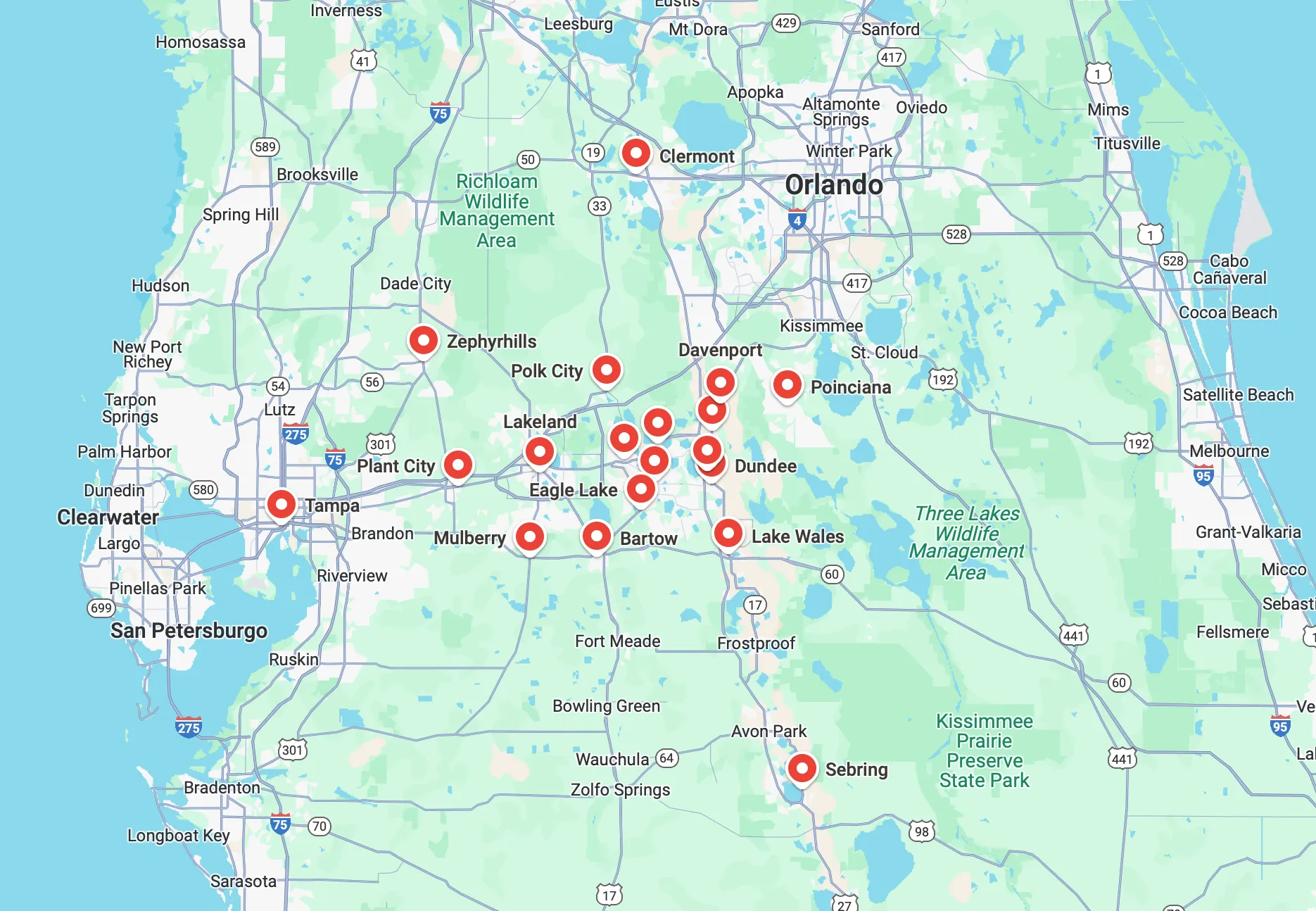
Service Areas