AC Replacement in Zephyrhills, FL
AC Replacement in Zephyrhills, FL
Replacing an aging or failing air conditioning system in Zephyrhills, FL is about more than restoring comfort. In our humid subtropical climate, a full-system AC replacement improves indoor humidity control, reduces energy bills, and lowers the risk of costly emergency failures during peak heat.
.webp)
Why Zephyrhills homes often need AC replacement
- High cooling demand year-round because of hot, humid summers and mild winters increases runtime and compressor wear.
- Older systems may still use phased-out refrigerants like R-22, making repairs increasingly expensive.
- Attic heat gain, duct leakage, and limited insulation in some local homes reduce system efficiency and shorten equipment life.
- Frequent cycling or noisy operation during peak months signals declining reliability when you can least afford downtime.
Common AC replacement triggers in Zephyrhills, FL
- Frequent breakdowns or repair bills adding up to a significant portion of system value.
- Age: typical central AC systems older than 12-15 years often lose efficiency and reliability.
- Poor humidity control or rooms that never get cool even when the unit runs.
- Rising energy bills despite regular maintenance.
- Refrigerant leaks or systems using obsolete refrigerants that are costly to recharge.
System evaluation and recommended replacement criteria
A professional AC replacement begins with a thorough evaluation of your current system and home:
- Visual inspection of outdoor condensing unit, indoor coil, air handler/furnace, and ductwork.
- Performance check: airflow, temperature split, and refrigerant charge.
- Electrical safety and control diagnostics.
- Assessment of past repair frequency and cost versus replacement value.
Recommended replacement often follows when:
- Repair costs approach 50% or more of replacement cost within a short period.
- The system fails to meet comfort needs, or frequent repairs indicate impending failure.
- The system is incompatible with modern, high-efficiency equipment or uses obsolete refrigerants.
Load calculations and proper unit sizing
Correct sizing is critical. Oversized or undersized equipment causes short cycling, humidity problems, and reduced equipment life.
- A proper load calculation (commonly known as Manual J) considers local climate, home orientation, insulation, window types, shading, and occupancy.
- Attic conditions, duct insulation and leakage, and local solar gain in Zephyrhills are factored into the calculation to determine the BTU capacity needed.
- The result is a recommended system size and configuration. Many homes benefit from addressing ductwork and insulation before or during replacement to maximize efficiency.
Guidance on energy-efficient models and SEER ratings
- SEER (Seasonal Energy Efficiency Ratio) measures cooling efficiency. Higher SEER values mean better efficiency and lower operating costs, particularly important in Zephyrhills with long cooling seasons.
- Typical upgrade scenarios: moving from a 10 SEER to a 16 SEER or higher can yield substantial energy savings; exact savings depend on home characteristics and usage patterns.
- Consider variable-speed compressors and multi-stage systems for improved humidity control and quieter operation.
- Look for ENERGY STAR rated models and consult local utility or manufacturer incentive lists to find models that qualify for rebates.
Removal and disposal of old equipment
- Proper refrigerant recovery is required by law and best practice. Certified technicians recover and document refrigerant before system removal.
- Old equipment is disconnected, safely removed, and recycled or disposed of according to local regulations. Metal recycling, safe disposal of electrical components, and responsible handling of hazardous materials are standard steps.
- If duct changes are needed, sections may be removed or modified during this stage to ensure proper airflow with the new system.
Installation process and timelines
- Typical installation timeline ranges from one to three days depending on system complexity and any required ductwork or electrical upgrades.
- Steps include final sizing confirmation, pad/condensate line prep, electrical circuit checks and upgrades if needed, refrigerant line installation, indoor coil or air handler installation, system charging, and performance testing.
- Post-install testing includes airflow measurements, temperature drop verification, refrigerant charge validation, and compressor startup procedures to ensure the system meets design expectations.
Financing and rebate options
- Many homeowners leverage manufacturer rebates, local utility incentives, and financing programs to make high-efficiency systems more affordable.
- Available options may include low-interest financing, energy-efficiency rebates for qualifying SEER thresholds, and occasional seasonal promotions from manufacturers.
- Review program eligibility and documentation requirements before purchase to take full advantage of rebates and tax incentives that may apply.
Warranty coverage and what to check
- New systems typically carry two types of warranties: manufacturer parts warranty and optional labor or installation warranty from the installing contractor.
- Pay attention to compressor warranties, coil coverage, and any conditional terms such as registration requirements or maintenance stipulations.
- Ask for written warranty details and understand what routine maintenance is required to maintain warranty validity.
Expected performance and savings after replacement
- After a properly sized, high-efficiency replacement, homeowners in Zephyrhills can expect:
- Improved temperature consistency and better humidity control.
- Noticeable reduction in monthly cooling costs; typical savings vary by previous system efficiency, but many homeowners see 20 to 40 percent lower cooling energy use when moving from older, low-SEER systems to modern high-SEER equipment.
- Quieter operation and increased reliability during peak summer months.
- Actual savings depend on thermostat settings, home envelope improvements, and local electricity rates.
Maintenance and long-term value
- Regular maintenance preserves efficiency and warranty coverage: seasonal tune-ups, filter changes, and periodic coil and drain cleaning.
- Addressing duct leakage, adding attic insulation, and improving window shading increases the return on investment from a new system.
- A well-sized, energy-efficient AC adds year-round comfort value to your home and reduces the risk of mid-summer failures.

Customer Testimonials
Discover why our customers love us through their heartfelt testimonials.

Stephen J.
Great company all the way around! I have been using these guys for about 15 years now and have nothing but good things to say about them. They just installed a new unit in my house and I was very pleased with the price and the quality of work. Give them a call you will not regret it!!
Andrea R.
This is one of the most professional companies I have dealt with in a long time. They keep their appointments and communicate any delays asap. Service is top notch! I would recommend them to anyone!
Lisa R.
I’ve never had a business promise, something and then fulfill it until Newbern Air Conditioning. I needed a new air handler, I was quoted a price, And they told me they would wait on me to let them know when I could do it. They also told me when they ordered it. They would install it the day after it came in and they did just that. They are dependable and trustworthy.
Garrett L.
Great folks! They installed a couple units for me almost 2 years ago. One unit started blowing warm air, so I called in a repair around 9:00 a.m. They repaired a poorly seated compression fitting and had it going by 2:30 p.m. the same day under warranty. That says a lot about their work ethics and willingness to stand behind their work.
Matthew M.
Great company i would give more than five stars if it gave me the option, Christopher is a great guy and helped me out alot and works with you. 100 percent beat pricing and work around, if you need any a/c needs come to this place. I appreciate it so much
Kimberly G.
This is your AC company! Any problem we have ever had they have been fast and so professional. New unit was installed today and his crew was amazing and polite just like him! If I could give 10 stars I would! Thank you!!!
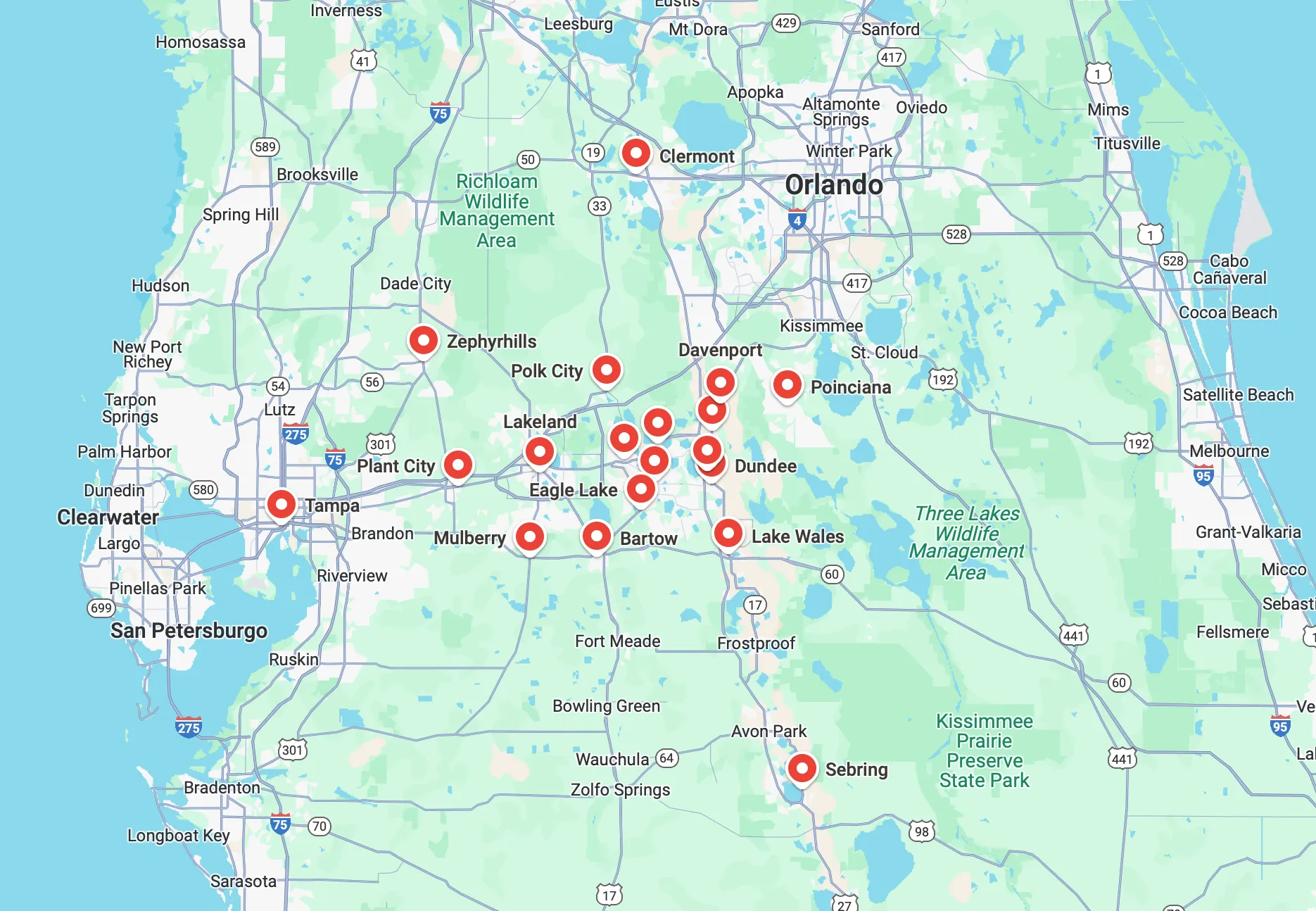
Service Areas
Not sure if we cover your neighborhood? Give us a quick call we’ll let you know in seconds.