AC Repair in Lake Alfred, FL
This page outlines professional AC repair in Lake Alfred, FL, emphasizing timely diagnosis to prevent breakdowns and costly downtime for homes and businesses. It covers common failure points such as compressor and refrigerant leaks, electrical faults, and restricted airflow, then details a methodical diagnostic process—from symptom verification to leak detection, component testing, and option-driven repairs. It also explains after-hours emergency response, warranty considerations, typical timelines, scheduling practices, and preventive steps to extend equipment life and improve energy efficiency in the local climate.
.jpeg)
AC Repair in Lake Alfred, FL
Keeping your air conditioner running reliably is essential in Lake Alfred, FL, where high humidity and prolonged heat place heavy demand on residential and commercial systems. Whether you’re facing a sudden loss of cooling, frequent cycling, strange noises, or a system that won’t start, expert AC repair can protect comfort, indoor air quality, and equipment lifespan. This page explains common AC failures in Lake Alfred, the step-by-step diagnostic and repair process, emergency response capabilities, parts and warranty considerations, typical repair timelines, and how scheduling is typically handled.
Why timely AC repair matters in Lake Alfred homes and businesses
Lake Alfred’s hot, humid climate pushes cooling systems harder than in milder regions. That increases the risk of:
- Refrigerant leaks that reduce efficiency and promote coil freezing
- Compressor burnout from extended high-load operation
- Corrosion or electrical failures from humid air and occasional storms
- Mold and indoor air quality problems from reduced dehumidification
Addressing problems early prevents higher energy bills, more extensive damage, and unplanned downtime for businesses.
Common AC problems in Lake Alfred and what causes them
- Compressor failure: Often caused by age, heat stress, low refrigerant, or electrical issues. A failed compressor is one of the most expensive components to replace.
- Refrigerant leaks: Corrosion, vibration, or physical damage to coils and lines cause slow or sudden leaks. Low refrigerant reduces cooling capacity and can damage the compressor.
- Electrical component failure: Faulty contactors, relays, breakers, or control boards are common after lightning, power surges, or wear.
- Faulty motors and capacitors: Fan motors and run capacitors wear out or fail, causing reduced airflow, strange noises, or complete shutdowns.
- Blocked airflow and dirty coils: Clogged filters, ducts, or outdoor coil fouling from pollen and debris reduce efficiency and cause strain.
- Thermostat and control issues: Incorrect settings, calibration problems, or communication faults can mimic mechanical failures.
Step-by-step diagnostic and repair process
1. Initial assessment and symptom verification
- Confirm operating symptoms, recent events (storms, power outages), and any error codes from system controls.
2. Safety and power checks
- Verify proper power at the disconnect, check breakers and fuses, and isolate electrical faults before further work.
3. Visual inspection
- Examine outdoor unit, indoor evaporator coil, filter condition, ductwork access points, and mounting for corrosion or damage.
4. System performance measurements
- Measure refrigerant pressures and superheat/subcooling, thermostat readings, supply and return temperatures, and airflow.
5. Electrical diagnostics
- Test contactors, capacitors, motor amperages, and control voltages to identify failing electrical components.
6. Leak detection and containment
- Use electronic leak detectors, pressure testing, or UV dyes to locate refrigerant leaks and determine repair feasibility.
7. Present repair options and replacement parts
- Evaluate repair vs. component replacement based on safety, efficiency, and long-term reliability. Include OEM and quality aftermarket options.
8. Repair and verification
- Make repairs, replace parts, evacuate and recharge if refrigerant work is involved, test for proper operation, and document results.
Typical repairs explained
- Compressor replacement: Includes recovering refrigerant, removing the old compressor, replacing refrigerant-drying components (filter-drier), installing and brazing lines as needed, vacuuming the system, and recharging to manufacturer specifications.
- Refrigerant leak repair: Can be a simple line patch, brazing a leak, or replacing coils/line sets when corrosion is extensive. Proper leak repair is followed by evacuation and correct recharge.
- Electrical repairs: Replace contactors, relays, breakers, capacitors, and control boards; tighten connections and correct voltage imbalances.
- Motor and blower work: Replace or rebush fan and blower motors, balance fans, and replace run capacitors to restore airflow.
- Airflow and coil care: Clean coils, replace filters, inspect and seal ducts, and ensure condensate drains are clear to prevent overflow and mold growth.
Emergency and after-hours response
Lake Alfred residents and businesses can experience dangerous indoor heat during summer or when occupants have medical needs. Emergency response typically includes:
- After-hours diagnostic capability to determine if temporary measures (short-term cooling, bypass systems) can restore safety
- Priority scheduling for systems at risk of causing heat-related harm or for critical commercial operations
- Rapid response for major failures during heatwaves when demand on local HVAC resources is highest
Emergency response often focuses on stabilizing conditions first, then completing permanent repairs when parts and safe working conditions are available.
Parts and warranty considerations
- OEM vs aftermarket parts: OEM parts match original specifications and manufacturer warranty conditions. High-quality aftermarket parts can be reliable and cost-effective for certain components.
- Refrigerant handling: Repairs involving refrigerant follow current environmental regulations for recovery and reclaim. Some older systems use discontinued refrigerants that require conversion options.
- Warranties: Parts often come with manufacturer or distributor warranties; labor warranties vary. Ensure documentation of parts used and warranty durations before approving major replacements.
- Long-term value: Replacing multiple major components on an aging system may indicate the need to evaluate full system replacement for reliability and efficiency gains.
Typical repair timelines
- Diagnostic visit: 30 to 90 minutes for a thorough assessment and preliminary testing.
- Minor repairs (capacitor, contactor, filter, sensor): Often completed within 1 to 2 hours.
- Fan motor or blower work: 2 to 4 hours depending on access and part availability.
- Refrigerant leak repair or coil repairs: 2 to 6 hours, depending on leak location and complexity.
- Compressor or major component replacement: 4 to 8+ hours; may require multiple visits if parts are not on hand or if brazing and system recovery are needed.
- Complex commercial jobs: Timelines vary widely; coordinated planning and potential off-hours work may be required to minimize business disruption.
Timelines can be influenced by local parts availability, severity of damage, and scheduling during peak cooling season.
How scheduling and service windows typically work
- Standard service windows are weekday business hours for planned diagnostic and repair visits.
- Many providers maintain emergency or priority response for after-hours and weekend calls during heatwaves or critical commercial outages.
- For commercial properties, scheduling often includes planned shutdown windows to complete larger repairs with minimal business impact.
This section outlines common scheduling practices so homeowners and facility managers can plan for diagnostic and repair visits without surprises.
Preventive steps and long-term benefits
- Regular maintenance: Seasonal tune-ups reduce the likelihood of emergency failures, improve efficiency, and extend equipment life in Lake Alfred’s demanding climate.
- Filter and coil care: Regular filter changes and coil cleaning prevent airflow restrictions and refrigerant stress.
- Proactive component replacement: Replacing aging capacitors, contactors, and motors before failure lowers the risk of sudden system downtime.
- Energy and indoor air quality gains: Timely repairs and maintenance restore designed efficiency and dehumidification, improving comfort and reducing energy costs.
Timely, expert AC repair in Lake Alfred protects both comfort and investment. Fast diagnostics, proper parts selection, and thorough verification reduce repeat failures and help systems cope with the region’s heat and humidity.

Customer Testimonials

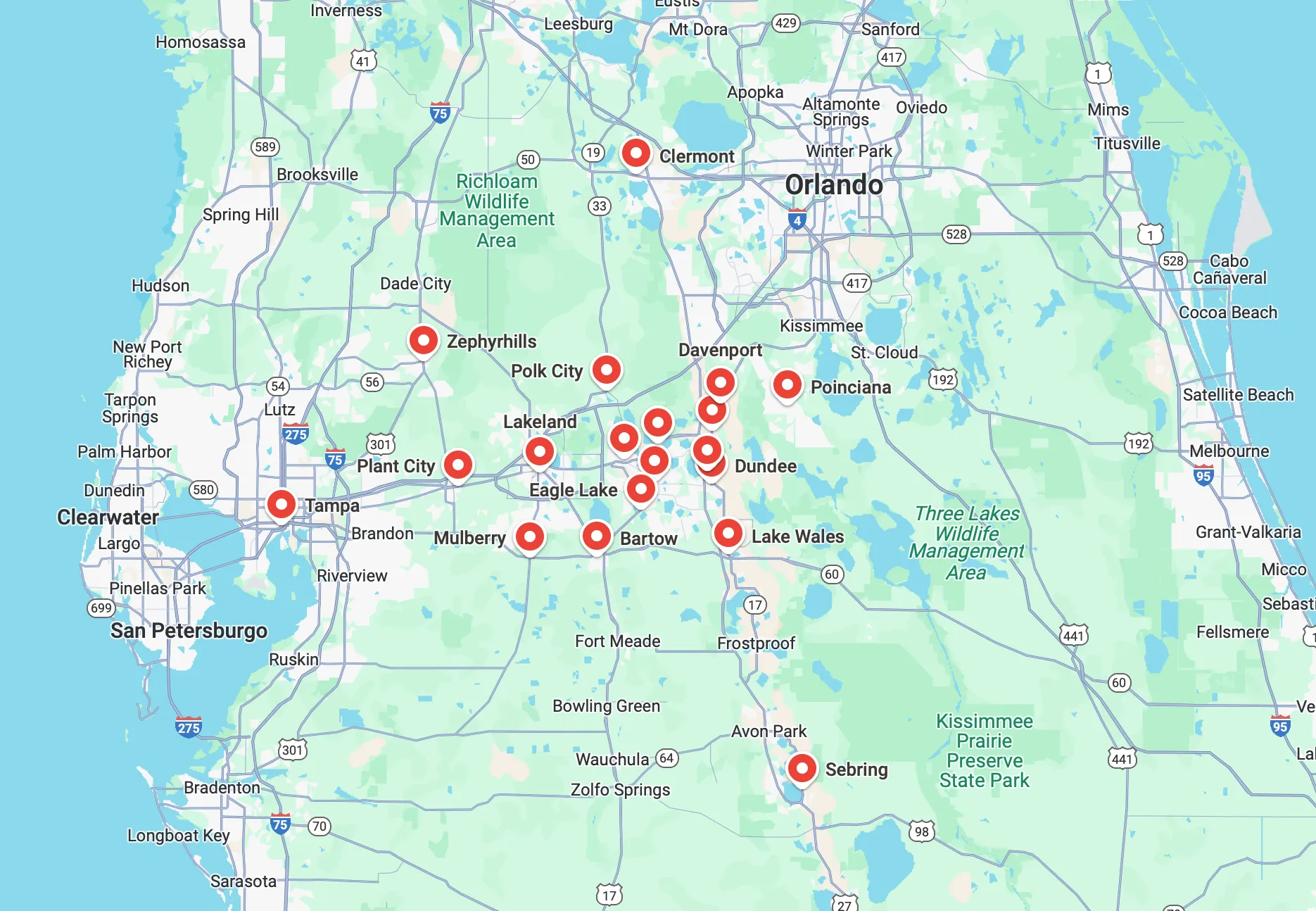
Service Areas