AC Repair in Dundee, FL
AC Repair in Dundee, FL
Keeping your air conditioning running reliably is essential in Dundee, FL, where long, hot summers and high humidity make indoor comfort a top priority.
.jpeg)
Why timely AC repair matters in Dundee, FL
Dundee experiences extended heat and humidity that place continuous load on HVAC equipment. That heavier workload accelerates wear on compressors, electrical components, and coils. Humidity can promote corrosion and reduced system efficiency, while summer storm season increases the chance of power-related failures. Prompt diagnostics and repairs prevent secondary damage, improve indoor air quality, and lower long-term operating costs.
Common AC repair issues in Dundee, FL
Below are the most frequent failure modes for residential and commercial systems in this region, with typical symptoms and local contributing factors.
- Compressor failure
- Symptoms: unit runs but does not cool, loud starting noises, frequent short cycling.
- Causes: age-related wear, repeated power surges during summer storms, low refrigerant leading to overheating.
- Refrigerant leaks
- Symptoms: gradual loss of cooling, ice on evaporator coils, hissing sounds.
- Causes: vibration, corrosion at fittings, physical damage to lines; humid coastal-influenced air can hasten corrosion.
- Capacitor and contactor problems
- Symptoms: outdoor unit fan or compressor won’t start, intermittent operation, buzzing noises.
- Causes: repeated start-stop cycles under heavy load, voltage fluctuations common during storms.
- Fan motor and blower issues
- Symptoms: poor airflow, overheating, uneven cooling between rooms.
- Causes: motor wear, debris-clogged condensers, condensate drain blockages causing safety shutoffs.
- Evaporator/condenser coil corrosion or blockages
- Symptoms: reduced airflow and efficiency, higher energy bills.
- Causes: high humidity, pollen/organic debris in rural or agricultural areas near Dundee.
- Electrical and thermostat faults
- Symptoms: inconsistent cycles, system not responding to thermostat settings.
- Causes: wiring degradation, lightning-induced spikes, thermostat calibration drift.
Diagnostic process for residential and commercial AC repair
A systematic diagnostic approach ensures accurate fixes and prevents unnecessary parts replacement.
1. Initial inspection
- Visual check of outdoor unit, condenser fins, and indoor air handler for obvious damage, debris, or rodents.
2. Electrical testing
- Verify voltage and current to compressor, fan motors, and control circuits; test capacitors and contactors.
3. Refrigerant assessment
- Measure pressures and temperatures to detect undercharge or overcharge; use leak detection if pressures indicate loss.
4. Airflow and component evaluation
- Inspect filters, blower wheel, and ductwork for restrictions; measure static pressure in commercial systems.
5. System performance test
- Run the system through a full cycle to confirm cooling capacity, electric draw, and thermostat function.
6. Report and repair plan
- Provide a prioritized list of findings, recommended repairs, parts needed, and expected timelines.
Typical repair procedures and parts used
Common repairs use industry-standard parts and follow best practices to restore safe, efficient operation.
- Compressor repair or replacement
- When failed, compressors are typically replaced rather than rebuilt; replacement includes verifying proper refrigerant type and charge, and checking for oil contamination.
- Refrigerant leak repair
- Locate and repair leak points (line sets, fittings, coils). Recharge system with manufacturer-recommended refrigerant and perform pressure testing to confirm integrity. Refrigerant handling follows environmental regulations.
- Capacitor, contactor, and relay replacement
- Electrical start/stop components are swapped with properly rated parts and tested under load.
- Fan motor and blower repairs
- Replace motors or bearings, clean condenser fins and evaporator coils, recalibrate blower speeds for correct airflow.
- Coil cleaning and corrosion mitigation
- Chemical cleaning for coils and application of coil protectants as appropriate; replace severely corroded coils.
- Drain line clearing and condensate management
- Remove clogs and install or repair traps and float switches to prevent indoor water damage.
Technicians typically use OEM-equivalent parts or approved aftermarket components sized for the system. For commercial jobs, replacement components may include larger compressors, multi-stage controls, and variable-speed drives.
Emergency and after-hours response
Because Dundee’s heat can create health and operational risks, after-hours and emergency service options exist for urgent failures. Emergency responses focus on restoring safe operation quickly: temporary fixes to restore cooling, isolating electrical hazards, and providing prioritized parts procurement for permanent repairs. Response availability and timelines vary with demand, weather, and parts accessibility.
Estimated repair timelines and what to expect
Timelines depend on the fault, part availability, and system type.
- Simple electrical fixes (capacitor, contactor, thermostat): same-day or next-business-day completion.
- Refrigerant leak repair and recharge: 1 to 2 days, depending on leak location and extent.
- Fan motor or blower replacement: same-day to 1 day.
- Compressor replacement or major component swaps: 1 to 3 days for residential systems; commercial jobs may take longer if large components must be ordered.
- Coil replacement or extensive corrosion repairs: 2 to 5 days depending on access and fabrication needs.
For commercial properties, scheduling may be aligned to minimize disruption, such as evening or weekend work windows.
Warranty, parts, and maintenance considerations
Warranty coverage varies by component and manufacturer. Typical warranties cover new compressors, coils, and major components for defined terms; workmanship warranties for repairs also vary by provider. Retaining records of repairs and replacements helps with warranty claims. Regular preventive maintenance reduces emergency calls, extends equipment life, and preserves warranties that require scheduled service.
Recommended maintenance for Dundee conditions includes:
- Biannual tune-ups before cooling season and after heavy storm periods.
- Regular filter changes every 1 to 3 months depending on occupancy and air quality.
- Coil cleaning and condensate line checks to combat humidity-related issues.
Scheduling and service options for Dundee properties
Service options include routine diagnostic appointments, priority scheduling for commercial accounts, and emergency response for critical failures. Residential and commercial clients typically have choices between single-visit repairs and recurring maintenance plans that emphasize preventive care in Florida’s demanding climate.

Customer Testimonials

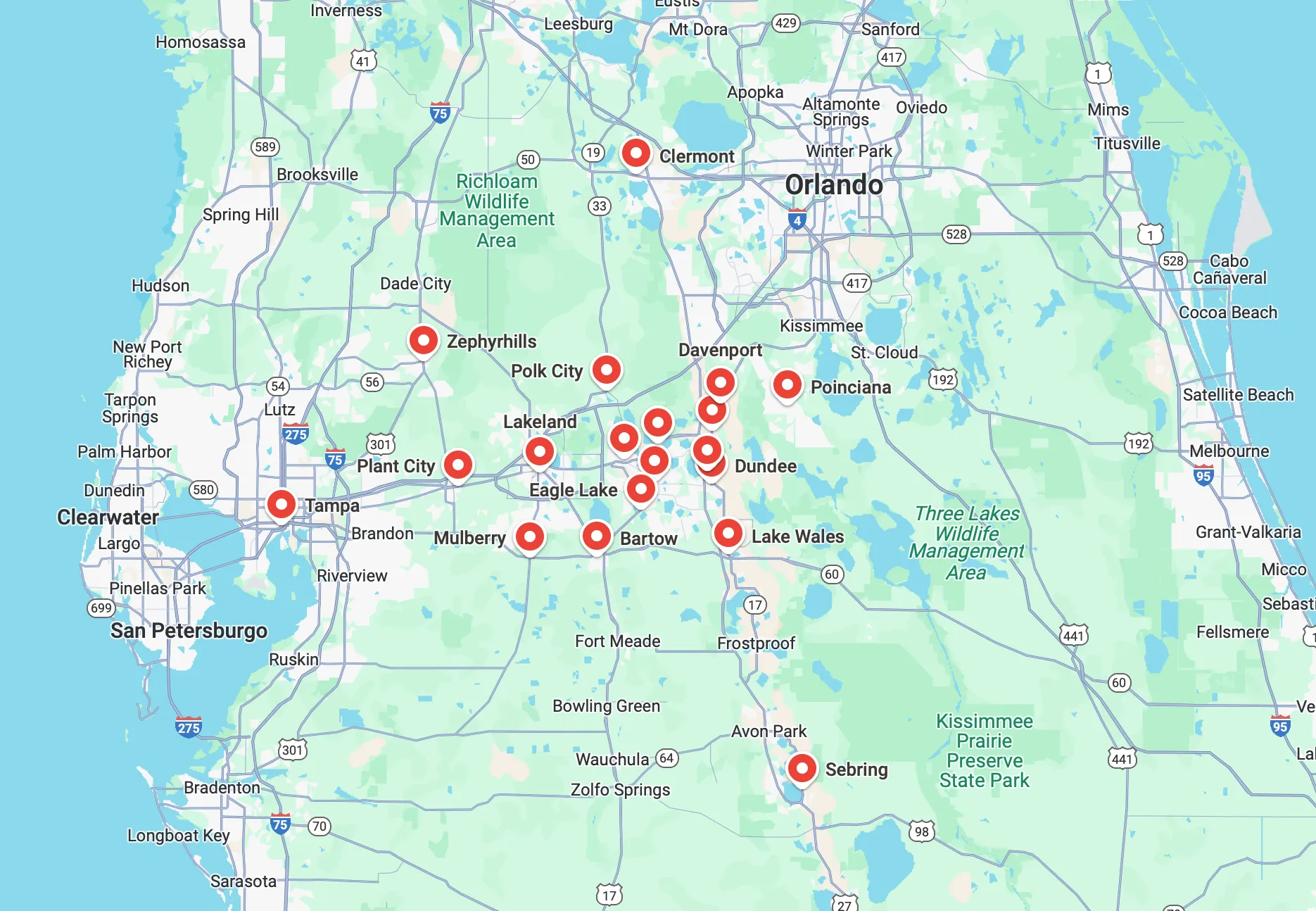
Service Areas