AC Installation in Winter Haven, FL
AC Installation in Winter Haven, FL
Choosing the right air conditioning installation in Winter Haven, FL affects indoor comfort, energy costs, and equipment longevity. With hot, humid summers, frequent afternoon storms, and year-round cooling needs in Central Florida, proper installation is essential to control humidity, prevent mold, and keep energy bills predictable.
.webp)
Why proper AC installation matters in Winter Haven
- Summer heat and high humidity increase cooling loads and stress on undersized systems.
- Improper sizing or poor ductwork creates high humidity, short cycling, and uneven cooling.
- Coastal-influenced humidity and periodic heavy rainstorms make condensate management and corrosion resistance important.
- A correctly installed system maximizes efficiency, preserves manufacturer warranties, and reduces repair frequency.
Common AC installation needs and scenarios in Winter Haven
- Replacing an old or failing central air conditioner with a higher-efficiency system.
- Installing a new system during home construction or significant remodel.
- Upgrading to a heat pump for year-round comfort and better dehumidification.
- Retrofitting ductwork or adding zone controls to improve comfort in older homes.
- Adding a whole-house dehumidifier or UV air treatment to combat humidity and mold risk.
Initial site assessment and load calculation
A certified installer begins with a thorough site assessment and load calculation because "size it right" is the most important decision.
- Manual J load calculation: Accounts for square footage, insulation, window orientation, occupancy, and Winter Haven climate patterns to determine correct cooling capacity.
- Envelope inspection: Evaluates insulation levels, window types, attic ventilation, and air infiltration that affect load.
- Location-specific factors: Nearby lakes, shade from oak trees, and attic temperatures in summer are built into the calculation to prevent oversizing or undersizing.
Why this matters: A correctly sized system reduces short cycling, improves dehumidification, and extends equipment life in Winter Haven’s humid climate.
Ductwork evaluation and recommended modifications
Duct condition greatly influences system performance. Typical duct issues in Winter Haven homes include leaks, inadequate insulation, and undersized runs.
- What installers check:
- Leakage using pressure testing or visual inspection
- Insulation R-value, especially in unconditioned attics
- Layout and balancing for even airflow
- Return-air sizing and placement
- Common solutions:
- Sealing joints and connections with approved mastic or tape
- Adding insulation to ducts in attics to prevent heat gain
- Re-sizing or re-routing ducts for properly balanced airflow
- Installing or relocating returns to improve circulation
Equipment selection for Winter Haven homes
Selecting the right equipment is more than picking the highest SEER number. Factors to consider:
- System type: High-efficiency split systems or heat pumps are common for Florida homes.
- Matched components: Use matched indoor coil and outdoor condensing unit for performance and warranty compliance.
- Efficiency and humidity control: Variable-speed compressors and multi-stage systems offer better dehumidification and steady comfort.
- Corrosion resistance: Consider coatings or materials that resist corrosion from humidity and occasional salty air.
- Filtration and IAQ: MERV-rated filters, UV lights, or whole-house dehumidifiers improve indoor air quality in humid conditions.
Professional installation steps
A professional installation following industry best practices includes:
1. Pre-install preparation
- Verify load calculation and equipment sizing
- Obtain required permits and schedule inspections
- Prepare the work area and protect floors and landscaping
2. Mounting and placement
- Level, pad, and secure outdoor unit on a concrete or composite pad elevated above expected water levels
- Place indoor air handler or coil in appropriate conditioned space for accessibility and airflow
3. Refrigerant and refrigerant line installation
- Install properly sized refrigerant lines, trap and insulate lines in unconditioned spaces
- Evacuate lines and charge refrigerant to manufacturer specifications
4. Electrical hookup
- Connect disconnects, breakers, and control wiring per code
- Ensure proper grounding and electrical protection sizing
5. Condensate management
- Install properly sloped condensate drain lines, traps, and float switches where needed to prevent overflow and mold
6. Thermostat and control setup
- Install and program thermostat; test control wiring and communication for smart thermostats or zoning systems
Testing, commissioning, and quality checks
Commissioning confirms the system performs as designed.
- Performance checks:
- Measure airflow, static pressure, and temperature split
- Verify refrigerant pressures, superheat and subcooling per manufacturer specs
- Confirm amperage and voltage within safe limits
- Comfort and safety checks:
- Test thermostat calibration and cycle operation
- Verify condensate drainage and overflow protection
- Check safety controls and electrical connections
- Documentation:
- Provide equipment manuals, refrigerant charge records, and permit sign-offs for homeowner records
Permit coordination and inspections
Installers coordinate permits and local inspections to ensure compliance with Polk County and Winter Haven regulations.
- Typical permit tasks:
- Submitting system specifications and load calculations
- Scheduling mechanical and electrical inspections
- Providing inspection reports and paperwork required for warranty activationProper permitting protects both homeowner and installer and ensures installations meet safety and energy codes.
Post-installation support and homeowner tips
After installation, homeowners should follow these recommendations to protect performance and warranty:
- Schedule routine maintenance twice a year: spring cooling check and fall system review.
- Replace or clean filters monthly to optimize airflow and indoor air quality.
- Program thermostats for stable setpoints and use fan settings to balance humidity.
- Keep outdoor unit clear of debris, vegetation, and standing water; secure before storm season.
- Register equipment with the manufacturer and keep installation records for warranty claims.
Benefits of professional AC installation in Winter Haven
- Improved comfort and humidity control tailored to local climate
- Lower energy bills from correct sizing and professional commissioning
- Reduced risk of premature failure and costly repairs
- Compliance with local codes and valid manufacturer warranties
- Better indoor air quality and mold prevention in high-humidity conditions

Customer Testimonials

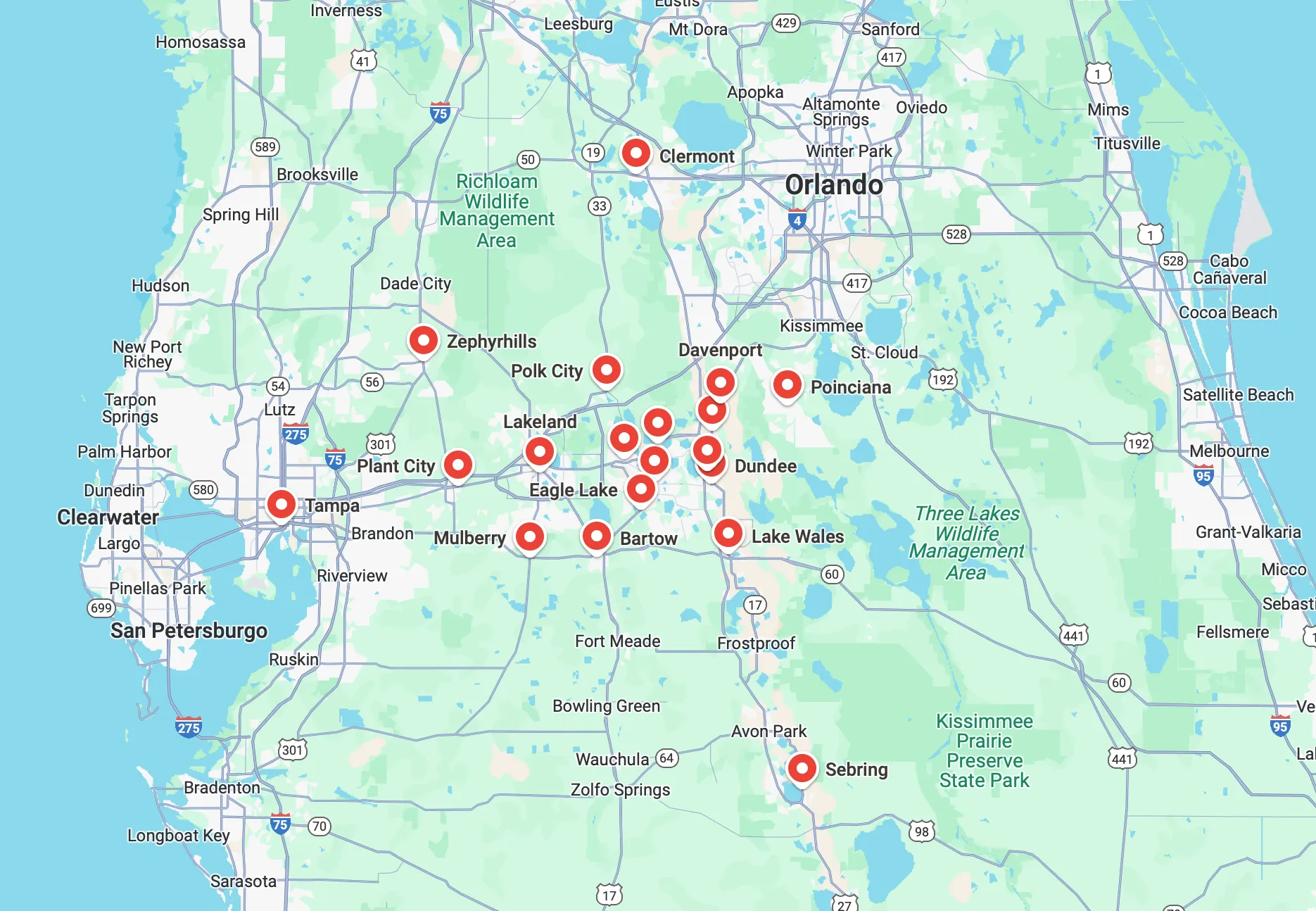
Service Areas