HVAC Repair in Winter Haven, FL
HVAC Repair in Winter Haven, FL
Homes and businesses in Winter Haven rely on consistent heating, ventilation, and especially cooling to stay comfortable and protect equipment year round. Because central Florida experiences long, hot, humid summers, HVAC failures become urgent problems that affect health, productivity, and property.
.jpeg)
Common HVAC problems in Winter Haven homes and businesses
High cooling demand and humidity in Winter Haven produce a predictable set of failures. The most frequent service calls include:
- No cooling or weak cooling: Often caused by low refrigerant, compressor failure, clogged coils, or airflow restrictions.
- Compressor issues: Overworked compressors can short-cycle or fail, especially after many seasons of heavy use.
- Refrigerant leaks: Corrosion, vibration, or improper installations lead to slow or sudden refrigerant loss and reduced cooling efficiency.
- Electrical faults: Failed capacitors, relays, breakers, or wiring can leave units dead or intermittently working.
- Poor airflow: Dirty filters, blocked returns, blower motor problems, or duct leaks reduce system capacity and increase wear.
- Drainage and condensate backups: High humidity and blocked drain lines can cause water damage and coil freezing.
- Thermostat and control failures: Calibration drift, sensor faults, or communication problems with smart thermostats.
- Short cycling and frequent on/off cycling: Typically caused by refrigerant issues, compressor strain, thermostat placement, or oversized equipment.
- Indoor air quality problems: Mold on coils, high indoor humidity, and clogged filters cause odors and health complaints.
Local factors — high humidity, frequent thunderstorms, and extended summer seasons - accelerate wear on coils, electrical components, and refrigerant lines, making proactive repairs and seasonal tune-ups particularly important for Winter Haven properties.
Diagnostic and troubleshooting process
A clear, methodical diagnostic process separates a temporary fix from a long-lasting repair. Typical diagnostic steps include:
- System history and symptom interview: Verify when issues started, prior repairs, and any observable patterns.
- Safety and power checks: Confirm breakers, disconnects, fuses, and safe working conditions.
- Electrical testing: Measure voltage, amperage, and component operation for motors, capacitors, and contactors.
- Refrigerant and pressure checks: Determine charge level and look for pressure imbalances indicating leaks or valve issues.
- Airflow and duct inspection: Check filters, blower operation, return/exhaust points, and visible ductwork for leaks.
- Coil and condensate assessment: Inspect evaporator and condenser coils for dirt, corrosion, and drainage problems.
- Leak detection: Use electronic detectors, UV dyes, or soap tests to locate refrigerant leaks when pressures indicate loss.
- Performance testing: Verify temperature split, overall system efficiency, and thermostat communication.
A typical diagnostic visit for residential systems often takes 45–90 minutes, while larger commercial systems require more extensive testing and may be staged across multiple visits. Technicians should provide a written report outlining findings, prioritized repair options, and an estimate.
Emergency and 24-hour response
In Winter Haven, certain HVAC failures become urgent - particularly during heat waves or when systems affect occupants with health sensitivities. Examples of emergencies include:
- Complete loss of cooling in extreme heat
- Major electrical faults creating sparks, burning smells, or tripped breakers repeatedly
- Gas-related issues where combustion appliances are present (unsafe combustion, carbon monoxide concerns)
- Flooding or water intrusion from condensate failures that threaten property
Emergency response typically focuses on stabilization: isolating electrical hazards, providing temporary ventilation or dehumidification, or installing temporary cooling if available. Many service operations offer 24-hour priority response for life-safety issues and commercial-critical systems; emergency visits aim to stabilize the situation and follow up with permanent repairs during normal business hours.
Technician qualifications and certifications
Reliable HVAC repair depends on properly trained technicians. Relevant qualifications to expect:
- EPA Section 608 certification for legal and safe refrigerant handling
- NATE (North American Technician Excellence) or equivalent competency certification demonstrating proven skills
- Manufacturer training and factory authorization for warranty-related repairs and complex equipment
- State or local licensing and proper business insurance
- Background checks, continuing education on new refrigerants and controls, and documented on-job safety practices
These credentials matter because proper diagnostics, safe refrigerant recovery, and correct component replacement protect system longevity and warranty coverage.
Typical repair timelines and pricing structure
Repair timelines depend on the issue:
- Minor repairs (capacitor, contactor, filter, thermostat): often completed in 1–2 hours.
- Moderate repairs (motor replacement, refrigerant recharge, leak repair): 2–4 hours or multiple visits if parts must be ordered.
- Major repairs (compressor or coil replacement): several hours to a full day; some commercial replacements require phased scheduling.
Pricing structure commonly includes:
- A diagnostic fee or service call charge for inspection and testing (applied to the repair if authorized).
- Labor billed as a flat-rate job or hourly, depending on the service model.
- Parts charged at cost plus margin; OEM parts typically cost more than aftermarket equivalents.
- Permits for larger work may incur additional fees in some municipalities. Estimates should be provided before work begins and revisions presented if unexpected issues arise.
Parts replacement and warranty information
When replacing components, there are tradeoffs between OEM and aftermarket parts. Typical warranty considerations:
- Manufacturer warranties cover major components when replaced under factory-authorized conditions.
- Labor warranties protect against installation defects for a set period (commonly 30–365 days depending on provider policy).
- Extended parts warranties may be available for compressors or coils and can vary by manufacturer and part.
- Keep documentation for any replaced parts and register warranties promptly, as manufacturer requirements vary.
For older systems, lead times for discontinued parts or the recommendation to replace rather than repair may be necessary.
Maintenance tips specific to Winter Haven, FL
To reduce emergency repairs in Winter Haven:
- Schedule a pre-summer tune-up to check refrigerant, clean coils, and verify airflow.
- Replace filters monthly during high-use seasons and use higher-MERV filters if indoor air quality is a concern.
- Clear condensate lines quarterly and inspect drain pans for overflow risks.
- Seal and insulate ducts in attics to reduce cooling loss from hot spaces.
- Consider a programmable or smart thermostat to reduce cycling and wear during peak periods.
What to expect when scheduling a service call
When you arrange a repair visit, the standard workflow typically includes:
- Appointment confirmation with an estimated service window
- Arrival of a technician with diagnostic tools, common replacement parts, and safety gear
- Initial inspection and presentation of a written estimate before any major repairs
- Authorization process for work to proceed, followed by repair and testing
- Completion paperwork documenting repairs, replaced parts, warranty details, and maintenance recommendations
Timely, documented repairs preserve system performance and can prevent larger, more costly failures down the road. In Winter Haven’s climate, regular attention to refrigerant charge, coil cleanliness, and drainage is the most effective way to keep HVAC systems reliable through long cooling seasons.

Customer Testimonials

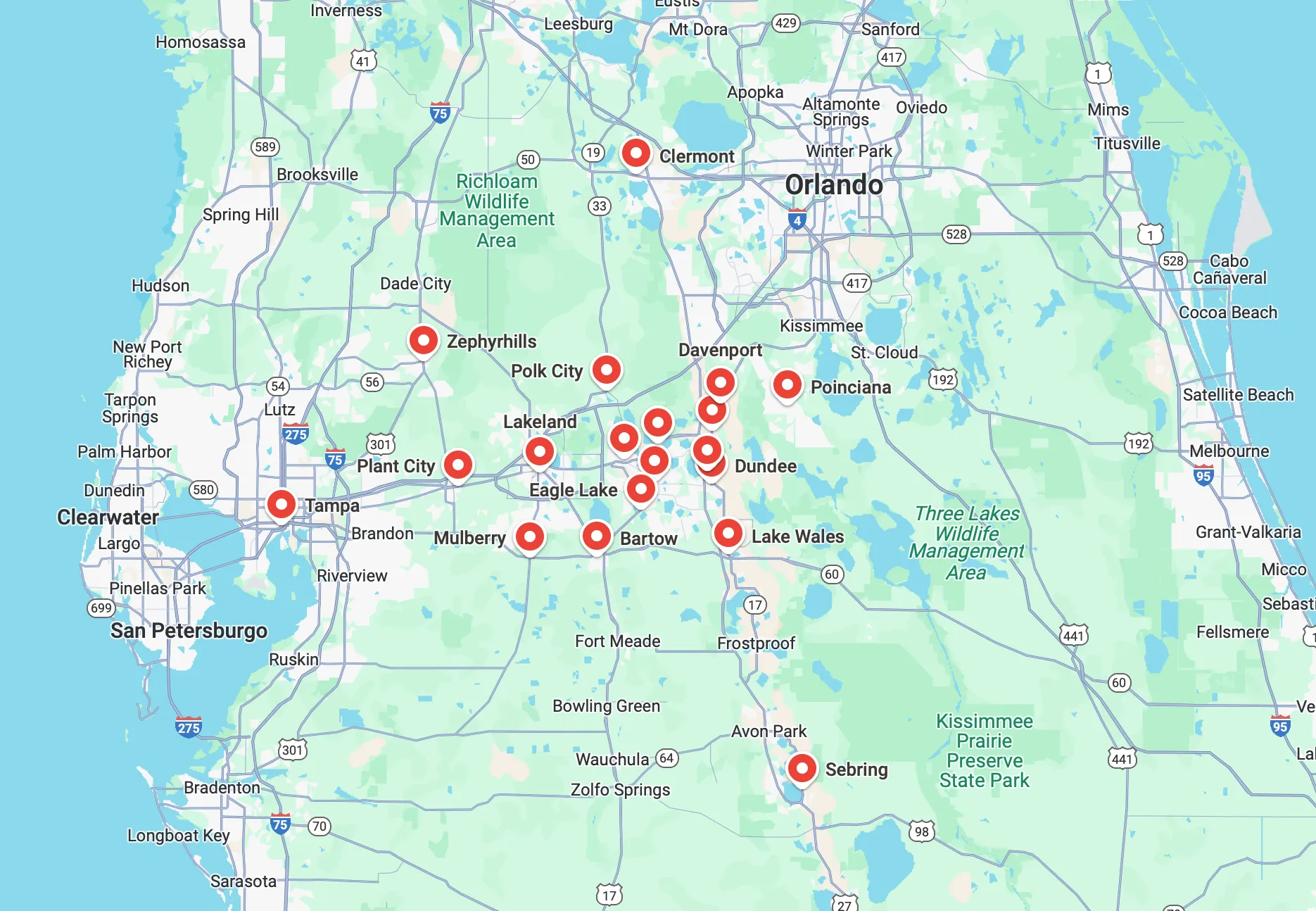
Service Areas