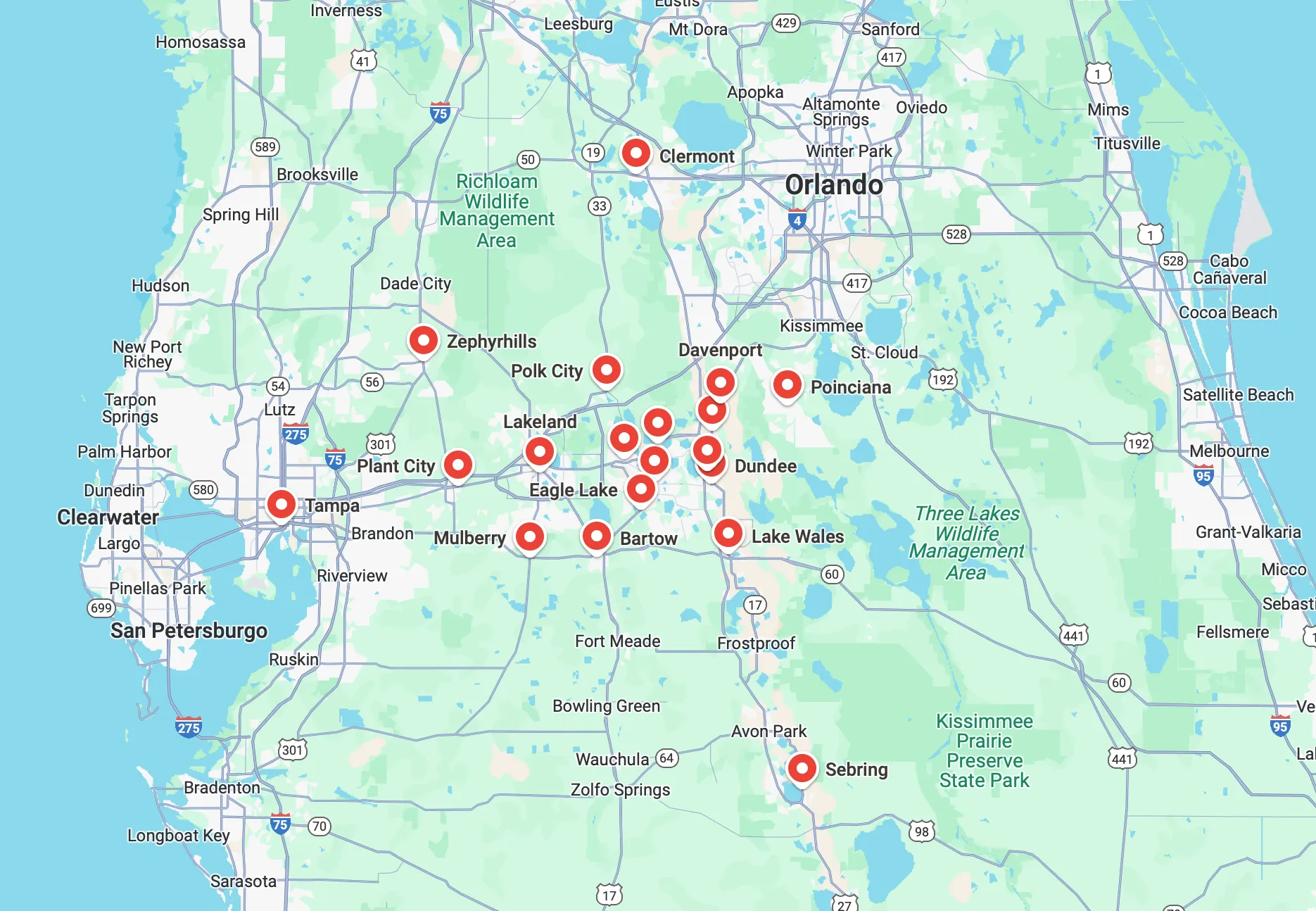
HVAC Repair in Poinciana, FL
HVAC Repair in Poinciana, FL
Keeping your air conditioning and heating running reliably is essential in Poinciana, FL, where long, humid summers and sudden seasonal storms can put heavy stress on HVAC systems. Professional HVAC repair in Poinciana, FL focuses on restoring comfort quickly, protecting equipment from further damage, and improving efficiency so your home stays safe and livable when temperatures and humidity spike.
.jpeg)
Why timely HVAC repair matters in Poinciana
Poinciana’s hot, humid climate accelerates risks that lead to breakdowns: coil corrosion, clogged condensate drains, mold growth, compressor strain, and electrical component failures from repeated cycling or power surges during storms. Addressing symptoms early prevents costly component failures, reduces energy bills, and maintains indoor air quality - especially important for homes with children, seniors, or allergy sufferers.
Common HVAC problems homeowners see in Poinciana
- No cooling or reduced cooling capacity during the hottest months
- Intermittent heating (for heat pump systems) or poor heat distribution
- Strange noises: grinding, banging, hissing, or rattling from indoor/outdoor units
- Frequent short cycling (system turns on and off rapidly)
- Warm air blowing from vents despite the compressor running
- Water leaks around the indoor unit or from the condensate drain
- Foul or musty odors coming from vents (mold or drain issues)
- High energy bills without change in thermostat settings
- Thermostat not responding or inaccurate temperature readings
- Frozen evaporator coils
Diagnostic and troubleshooting process
A thorough diagnosis is the foundation of an effective repair. Technicians follow a systematic process to identify root causes and provide reliable repair options:
1, Initial intake and symptom review
- Confirm system type (split, packaged, heat pump), age, recent service history, and current symptoms.
2. Visual and safety inspection
- Check electrical panels, breakers, disconnects, and signs of corrosion or rodent damage.
- Inspect air filters, ductwork access points, and outdoor unit condition.
3. Electrical and control checks
- Measure starting and running voltages and currents.
- Test capacitors, contactors, relays, and control boards.
4. Refrigerant and pressure testing (handled by certified technicians)
- Verify refrigerant charge and pressure against manufacturer specs.
- Use leak detection if pressures indicate a leak.
5. Airflow and distribution assessment
- Measure static pressure, airflow at supply and return registers, and blower motor function.
- Inspect evaporator and condenser coils for dirt and damage.
6. Drain and condensation system evaluation
- Inspect condensate pan, drain lines, and traps for blockages or leaks.
7. Report and repair options
- Provide an itemized explanation of issues, recommended repairs, parts to be replaced, and expected outcomes.
Typical repairs and parts commonly replaced
Repairs in Poinciana frequently address wear from humidity and seasonal load. Common solutions include:
- Refrigerant leak repair and recharge (performed by EPA-certified technicians)
- Compressor repair or replacement when seized or inefficient
- Condenser or evaporator coil cleaning, repair, or replacement
- Capacitor and contactor replacement to restore reliable starts and operation
- Blower motor or fan motor replacement and bearing repairs
- Thermostat replacement or recalibration (including smart thermostat setup)
- Control board or relay replacement after surge or failure
- Condensate drain clearing, trap replacement, or installation of secondary drain pans
- Duct sealing, insulation repair, and register balancing to improve airflow
- Filter replacement and indoor air quality upgrades (UV lights, media filters) to control mold and allergens
Parts replaced are typically manufacturer-approved components: compressors, capacitors, contactors, motors, coils, control boards, thermostats, filters, and ductwork materials.
Emergency repair availability and response times
Because Poinciana summers can make even a brief outage hazardous for vulnerable household members, emergency HVAC repair is commonly available. Typical response details:
- Emergency service options for after-hours, weekends, and holidays
- Same-day or next-day appointments for non-emergency repairs, depending on parts availability
- Emergency response windows often range from a few hours for urgent failures to 24 hours for high-priority but non-life-threatening issues
- For major component failures, a temporary fix may be implemented to restore function until a full repair or replacement can be scheduled
Pricing structure and service calls
Standard industry practices for HVAC repair pricing include transparent diagnostic and repair billing structures:
- Diagnostic or service call fee to cover technician time and initial testing; this fee is frequently applied toward the cost of repairs completed during the same visit
- Repair estimates provided after diagnosis, typically as a flat-rate quote or time-and-materials estimate depending on the job complexity
- Estimates commonly include parts, labor, and disposal of replaced components; permits or code-related work may incur additional charges
- For major replacements, homeowners receive options comparing repair versus replacement costs, considering system age and efficiency
Warranty and quality assurances
Warranties vary by part manufacturer and service provider but commonly include:
- Manufacturer warranties on replacement parts (length varies by component)
- Labor warranties from the service provider, often ranging from 30 days to 1 year for repairs
- Transferable warranties or extended protection plans may be available for new system components
- Documentation of parts used and work performed is provided for warranty claims and future servicing
What to expect during a service visit
- Clear arrival window and identification from the technician
- Initial walkthrough of symptoms and a safety briefing
- Comprehensive diagnostic inspection with findings explained in plain language
- Written repair options and transparent pricing before work starts
- Testing and verification of repairs; demonstration that the system is functioning and airflow/temperatures are restored
- Advice on maintenance steps to prevent future breakdowns tailored to Poinciana’s climate (filter schedules, coil care, condensate maintenance)
Preventive tips for Poinciana homeowners
- Replace or clean filters every 1–3 months during heavy-use seasons
- Keep outdoor unit clear of debris, plants, and mulch to maintain airflow
- Schedule annual preventive maintenance before the cooling season to catch wear from humidity and pollen
- Install a surge protector for outdoor units in areas prone to electrical storms
- Ensure proper attic and duct insulation to reduce strain during peak heat
Professional HVAC repair in Poinciana, FL is about restoring comfort, protecting equipment, and improving efficiency in a climate that demands reliable cooling. Clear diagnostics, honest estimates, and climate-aware maintenance keep systems running longer and reduce emergency breakdown risk when you need your system the most.

Customer Testimonials

Service Areas