HVAC Repair in Lake Wales, FL
HVAC Repair in Lake Wales, FL
Keeping your home comfortable year round in Lake Wales, FL depends on reliable HVAC performance. With hot, humid summers, occasional cold snaps in winter, and heavy humidity during rainy and hurricane seasons, HVAC systems here face unique stressors that lead to common failures.
.jpeg)
Why timely HVAC repair matters in Lake Wales, FL
Lake Wales homes contend with high humidity, airborne pollen, and long cooling seasons, all of which accelerate wear on air conditioning components. Moisture and heat increase compressor and condenser strain, while summer runtime magnifies the impact of failing capacitors, motors, and refrigerant leaks. When HVAC problems are left unaddressed, energy bills increase, indoor comfort declines, and minor faults can become major failures during peak heat. Timely repair restores comfort, reduces energy waste, and extends the life of your equipment.
Common HVAC repair issues in Lake Wales, FL
Homeowners searching for common HVAC repair issues in Lake Wales, FL typically encounter:
- No cooling or weak airflow: Often caused by low refrigerant, compressor failure, clogged filters, or obstructed condenser coils.
- Short cycling: System turns on and off rapidly due to thermostat or control board issues, improper refrigerant charge, or a failing compressor.
- Unusual noises: Grinding, screeching, or rattling often point to motor, blower wheel, or compressor problems.
- Frequent breaker trips: Indicative of electrical shorts, bad capacitors, or failing motors that draw excessive current.
- Ice on evaporator coils: Caused by restricted airflow, low refrigerant, or dirty coils.
- Uneven temperatures or hot spots: Duct issues, failing zone controls, or aging equipment performance.
- Poor indoor air quality: Excess humidity, mold growth, or stale air due to clogged filters, dirty coils, or malfunctioning ventilation.
Diagnostic approach and troubleshooting process
Professional HVAC repair in Lake Wales, FL uses a methodical diagnostic process to identify root causes rather than applying temporary fixes. Typical diagnostic steps include:
- Visual inspection of outdoor and indoor units, checking for debris, coil condition, and visible damage.
- Electrical testing of capacitors, contactors, fuses, and motors to detect voltage or current irregularities.
- Refrigerant system evaluation with gauges and leak detection to confirm proper charge and identify leaks.
- Airflow measurement and inspection of filters, blower assembly, and ductwork to locate obstructions or performance issues.
- Thermostat and control checks to ensure accurate temperature sensing and communication with equipment.
- System performance testing under load to observe cycling behavior, pressures, and temperature differentials.
Technicians explain findings in plain language, outline repair options, and provide a clear estimate of recommended repairs and expected outcomes.
Typical components replaced and why
Repairs in Lake Wales often involve the parts most stressed by heat and humidity:
- Compressors: The heart of the cooling system; failure leads to loss of cooling. Replacements are performed when repairs are impractical.
- Capacitors and contactors: Common wear items that provide starting power to motors. Replacing them often resolves no-start or intermittent operation.
- Condenser fans and motors: Outdoor motors operate constantly in summer and can fail from moisture, corrosion, or bearing wear.
- Evaporator and condenser coils: Corrosion or physical damage reduces heat transfer; coils may be cleaned or replaced depending on condition.
- Thermostats and control boards: Upgrades or replacements resolve inaccurate temperature control, short cycling, or communication errors.
- Blower motors and belts: Restore proper airflow and indoor comfort when worn or seized.
- Refrigerant lines and leak repairs: Essential to restore correct charge and efficiency; may include brazing and pressurization testing.
- Duct repairs and sealing: Improve airflow and balance, reduce energy loss, and eliminate odors or pest entry points.
Emergency and same-day repair response
Lake Wales residents frequently require fast response during high-temperature days or after storm damage. Emergency HVAC repair and same-day options prioritize safety and restoring cooling capability quickly. Typical emergency protocols include:
- Rapid triage over the phone or through service intake to identify life-safety concerns and prioritize response.
- On-site diagnostics aimed at restoring basic cooling function when a full repair cannot be completed immediately.
- Temporary solutions when parts are not available the same day, paired with scheduled follow-up for permanent repair.
- Safety checks where electrical or refrigerant hazards are suspected, ensuring equipment is secured until repairs are safe to complete.
Technicians come prepared with common replacement parts and diagnostic tools to reduce the number of visits needed on urgent calls.
Warranties, transparent pricing, and what to expect
Professional HVAC repair services provide clear, upfront information about parts and labor coverage. Standard elements include:
- Parts and labor warranties that cover replaced components for a defined period to protect homeowners against early failures.
- Transparent pricing through itemized estimates that separate labor, parts, and any diagnostic fees so you know what you are paying for.
- Estimate explanations outlining why each repair is necessary, alternatives if available, and expected impact on performance and efficiency.
- Documentation of repairs performed and recommendations for future maintenance to maximize system longevity.
This transparency reduces surprises and helps homeowners make informed decisions about repairs versus replacement.
Preparing for a service call and maintenance tips
Before a technician arrives, homeowners can streamline the repair process by:
- Ensuring clear access to indoor and outdoor units and resetting any tripped breakers.
- Locating thermostat models and noting unusual behavior or error codes.
- Listing recent changes in performance or sounds and the last date of routine maintenance.Seasonal maintenance tailored to Lake Wales conditions prevents many common repairs:
- Regular filter changes during the cooling season to prevent strain on the blower and evaporator coil.
- Annual tune-ups before summer to check refrigerant charge, coil cleanliness, and electrical connections.
- Keeping outdoor units clear of pollen, grass clippings, and debris to maintain airflow and prevent corrosion.

Customer Testimonials

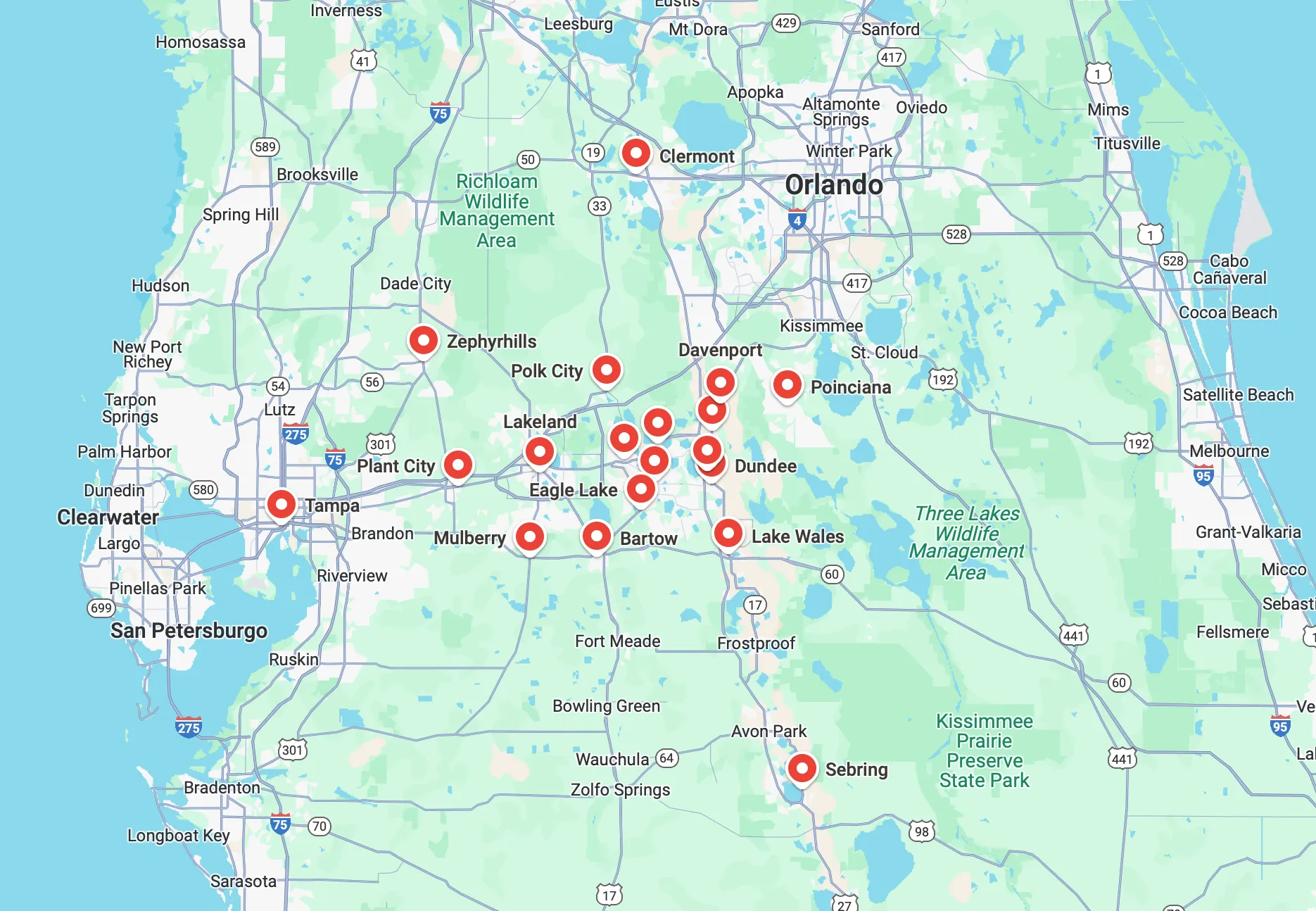
Service Areas