HVAC Installation in Auburndale, FL
HVAC Installation in Auburndale, FL
Replacing or installing a new HVAC system is one of the most important investments for comfort, indoor air quality, and energy savings in Auburndale, FL homes. With hot, humid summers and occasional storm events, homeowners need systems sized and installed to manage high cooling loads, control humidity, and withstand regional conditions.
.jpeg)
Why replace or install a new HVAC system in Auburndale, FL
- Higher energy bills and reduced cooling capacity in summer months
- Frequent short cycles, uneven temperatures between rooms, or persistent humidity
- Older systems with R-22 refrigerant or significant duct leakage
- Desire for better indoor air quality, dehumidification, or smart thermostat controlBecause Auburndale experiences long cooling seasons and high relative humidity, an appropriately sized, high-efficiency system produces the biggest performance and comfort improvements compared with smaller, short-lived upgrades.
Common HVAC installation issues in Auburndale, FL homes
- Oversized equipment causing short cycling and poor dehumidification
- Undersized ductwork or leaking ducts that reduce efficiency and comfort
- Incorrect refrigerant charge or airflow settings after replacement
- Lack of proper drainage or condensate management leading to mold risk
- Poor thermostat placement or lack of zoning for multi-story homes
Addressing these issues during installation prevents recurring problems and ensures long-term system performance in local climate conditions.
Home assessment and load calculations
A professional installation begins with a complete home assessment and accurate load calculations. The industry-standard Manual J load calculation considers:
- Square footage, orientation, insulation, window types, and shading
- Local design temperatures and humidity loads relevant to Auburndale, FL
- Occupant patterns and internal heat gains from appliances and lighting
A proper Manual J calculation ensures the selected system capacity matches your home. That avoids oversizing, improves dehumidification, and delivers predictable energy use during long Florida summers.
Equipment selection: system types and energy-efficient models
Equipment choice depends on home size, ductwork condition, and efficiency goals. Common options include:
- Central air conditioners paired with gas or electric furnaces (where applicable)
- High-efficiency heat pumps, which are ideal for Florida climates because they provide efficient cooling and heating
- Variable-speed compressors and multi-stage systems for improved comfort and humidity control
- Energy recovery ventilators or enhanced filtration for improved indoor air quality
Prioritize systems with higher SEER ratings and variable-speed components for better humidity control and lower seasonal energy use in Auburndale. Energy-efficient models often qualify for manufacturer rebates or utility incentives.
Professional installation steps
A structured installation process ensures reliability and code compliance. Typical steps include:
- Pre-installation inspection and final measurements
- Removal and safe disposal of old equipment and refrigerant per regulations
- Duct inspection, cleaning, and necessary repairs or sealing
- Mounting and connecting new indoor and outdoor units, following manufacturer specifications
- Refrigerant charge, airflow balancing, and thermostat integration
- System testing under operating conditions, calibration, and customer orientation
Throughout, technicians confirm proper condensate drainage, electrical connections, and secure outdoor placement to account for local storm and salt exposure conditions.
Ductwork and thermostat integration
Ductwork performance directly impacts efficiency and comfort. Key actions during installation:
- Repairing or replacing undersized or damaged ducts
- Sealing joints and insulating ducts that run through unconditioned spaces
- Adding zoning dampers or multi-zone controls for split temperature controlSmart thermostat integration enhances control and can improve efficiency when configured correctly. Proper thermostat placement and wiring, plus a system tune-up at startup, ensure accurate temperature sensing and balanced operation.
Permitting and code compliance
HVAC installations in Auburndale must comply with Florida Building Code and local permitting requirements. A professional installer typically:
- Submits required permits and plans to local authorities
- Ensures refrigerant handling follows EPA regulations
- Follows manufacturer installation instructions to preserve warrantiesCompliance reduces liability, ensures safety, and avoids delays or failed inspections that can occur when installations skip permitting steps.
Project timelines and what to expect
Typical project durations vary by scope:
- Simple replacement with compatible equipment: 1 day
- Replacement requiring minor ductwork repairs or thermostat upgrades: 1 to 2 days
- Full system changeouts with duct replacement, zoning, or significant home access work: several days to a weekInstallers should provide a clear timeline, staging for deliveries, and a checklist of completed tests before leaving the job site.
Warranty coverage and post-installation support
New equipment includes manufacturer warranties on compressors and major components. Standard warranties often require:
- Proper installation according to manufacturer instructions
- Registration of the equipment within a defined time period
- Regular maintenance as specified in the warranty termsAsk for written warranty details and an explanation of what is covered by manufacturer and installer workmanship warranties. Scheduling regular maintenance, especially spring tune-ups, preserves efficiency and warranty eligibility.
Financing and rebate options
Many homeowners use financing to spread the upfront cost of high-efficiency systems. Options commonly include:
- Low-interest or monthly payment plans through third-party financiers
- Manufacturer promotional financing programs
- Local utility rebates for high-efficiency systems and smart thermostats
- Federal energy tax incentives or credits that may apply to qualifying equipment
Check available local utility incentives and manufacturer rebates when selecting equipment to maximize savings and return on investment.
Long-term benefits and maintenance advice
A correctly installed, properly sized HVAC system in Auburndale delivers:
- Better humidity control and consistent comfort during long cooling seasons
- Lower energy bills and longer equipment life
- Improved indoor air quality and reduced risk of mold from poor drainage or airflow
- Predictable performance during extreme summer heat and storm events
For lasting performance, prioritize scheduled maintenance, filter changes, condensate line checks, and periodic duct assessments. These simple steps maintain efficiency and protect manufacturer warranties.

Customer Testimonials

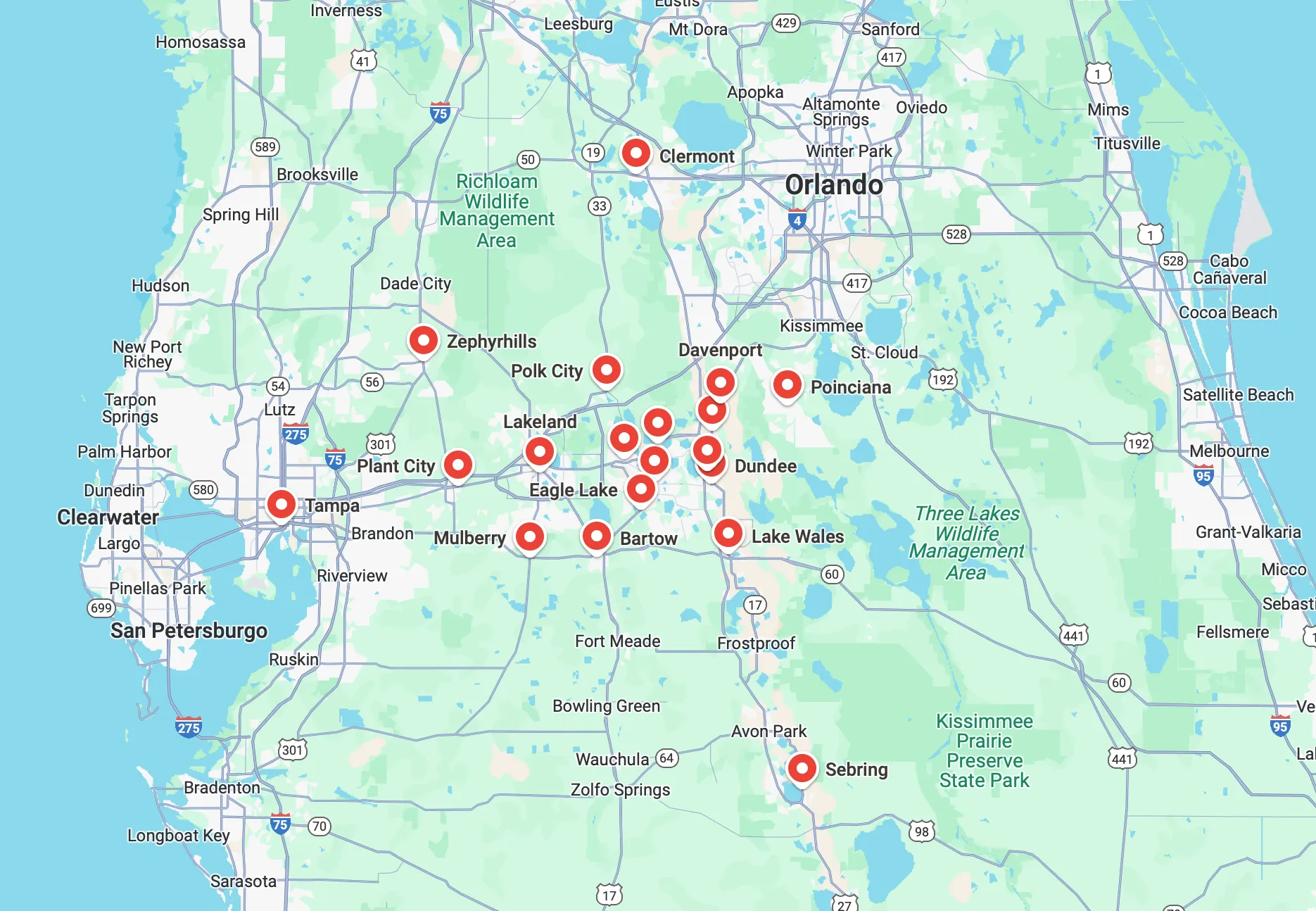
Service Areas