HVAC Repair in Auburndale, FL
HVAC Repair in Auburndale, FL
When your air conditioning or heating stops working in Auburndale, FL, the problem is more than an inconvenience - it affects comfort, indoor air quality, and in some cases the safety of your home or business. HVAC Repair in Auburndale, FL covers diagnostic and repair services for both residential and light-commercial systems, focused on fast, accurate troubleshooting, clear estimates, and repairs that address root causes so you avoid repeat failures.
.jpeg)
Why timely HVAC repair matters in Auburndale
Auburndale’s hot, humid summers and occasional severe storms put extra strain on HVAC equipment. High humidity increases run-time and can promote coil corrosion and mold growth; storm-related power surges and outages can damage control boards and compressors. For light-commercial properties with rooftop units, extended downtime can disrupt business operations and employee comfort. Timely diagnosis and repair reduce energy waste, prevent secondary damage (like water from clogged drain lines), and extend equipment life.
Common HVAC repair symptoms in Auburndale, FL
Homeowners and small businesses in Auburndale typically call for service when they notice:
- No cooling or heating at all
- Weak or uneven airflow between rooms
- System short-cycling (turning on and off frequently)
- Unusual noises: grinding, rattling, hissing, or loud banging
- Water leaks at the indoor unit or around the condenser
- Ice buildup on evaporator coils
- Persistent high indoor humidity or musty odors
- Sudden spike in energy bills
Each symptom has multiple possible causes; accurate diagnostics are essential to avoid unnecessary parts replacement.
Diagnostic process - what to expect
A professional HVAC diagnostic follows a systematic approach to identify the underlying problem efficiently:
1. Visual inspection
- Check outdoor condenser, evaporator coil access, drain pan, and visible ductwork for obstructions, corrosion, or physical damage.
2. Thermostat and control verification
- Confirm thermostat settings, sensor function, and control signals to the system.
3. Electrical testing
- Measure voltages, check fuses, contactors, capacitors, and control board connections for failures or signs of overheating.
4. Airflow assessment
- Inspect blower motor, air filter condition, ductwork, and registers to identify restrictions or leaks.
5. Refrigerant evaluation
- Check refrigerant pressures to determine leaks, undercharge, or overcharge conditions (EPA 608-certified technicians only perform refrigerant work).
6. Drain and coil inspection
- Clear condensate lines, inspect drain pans, and examine coils for dirt buildup or freeze damage.
7. System performance check
- Run a full cooling or heating cycle and record temperature splits, pressures, and humidity impacts.
After diagnostics, an itemized repair estimate should list failed components, recommended repairs, parts and labor breakdown, and applicable warranty information.
Common repairs and parts replacement options
Typical repairs for Auburndale homes and small businesses include:
- Electrical components: capacitors, contactors, relays, fuses
- Motors: condenser fan motors, blower motors
- Refrigeration components: compressors, refrigerant line repair, expansion valves (performed under EPA-compliant procedures)
- Coils and condensers: coil cleaning, coil replacement when corroded or damaged
- Controls and electronics: thermostats, control boards, sensors
- Drain system repairs: clearing or replacing condensate lines and drain pans
- Ductwork repairs: sealing leaks, insulation replacement, register adjustments
- Heating elements: heat strips, ignition systems for heat pumps or furnaces
For light-commercial rooftop and packaged units, common repairs mirror residential work but may involve larger components and additional safety protocols.
Emergency repair response and typical timelines
In Auburndale, emergency HVAC issues (no cooling during extreme heat, major refrigerant leaks, significant water leaks) require expedited response. Typical industry timelines to expect:
- Emergency situations: often addressed within 2–4 hours when teams are available
- Priority same-day service: many providers schedule priority calls for the same day
- Non-emergency repairs: usually completed within 1–3 business days depending on parts availability
Response times vary by workload, parts lead times, and weather conditions. For repairs requiring specialized or backordered parts, temporary measures (short-term fixes) may be recommended to restore function while awaiting replacement components.
Technician credentials and standards
Qualified technicians for HVAC repair in Auburndale should hold:
- EPA Section 608 certification for refrigerant handling
- NATE (North American Technician Excellence) or equivalent industry certifications
- Valid Florida HVAC licensing or registration as required for the scope of work
- Ongoing manufacturer-specific training for newer systems and inverter/variable-speed equipment
- Background checks and field experience working on residential and light-commercial units
Certifications and continuing education reduce the risk of misdiagnosis and ensure safe, code-compliant repairs.
Transparent pricing and estimates
A trustworthy repair process includes clear, itemized estimates after diagnostic testing. Typical elements shown on an estimate:
- Diagnostic fee (if applicable) and whether it is applied to the repair cost
- Line-item parts and labor charges
- Any applicable taxes or disposal fees
- Warranty coverage information for parts and labor
- Options when multiple repair paths exist (repair versus replacement) with pros and cons
Flat-rate labor or time-and-materials models may be used; understanding which is applied upfront helps avoid surprises.
Warranty expectations
Warranties vary by part and installer; common structures include:
- Manufacturer parts warranties: often 1 to 10 years depending on the component and equipment age
- Labor warranties: commonly 90 days to 1 year for repair work
- Extended warranties or service agreements for ongoing coverage
Confirm warranty terms before authorizing work and retain receipts and warranty documents for future claims.
Preventive tips to avoid future breakdowns
Regular maintenance is the best defense against summer breakdowns in Auburndale’s climate. Practical steps include:
- Replace or clean air filters every 1–3 months depending on use and indoor air quality
- Schedule seasonal tune-ups before peak cooling and heating seasons
- Keep the outdoor condenser clear of debris, grass clippings, and landscaping for at least 2 feet of clearance
- Insulate refrigerant lines and seal duct leaks to improve efficiency
- Install a programmable or smart thermostat to reduce unnecessary run-time
- Ensure proper condensate drainage and check for signs of standing water
- Use surge protection for major HVAC components to guard against storm-related electrical damage
For light-commercial properties, consider a preventive maintenance agreement that includes regular inspections, priority scheduling, and discounted parts pricing.

Customer Testimonials

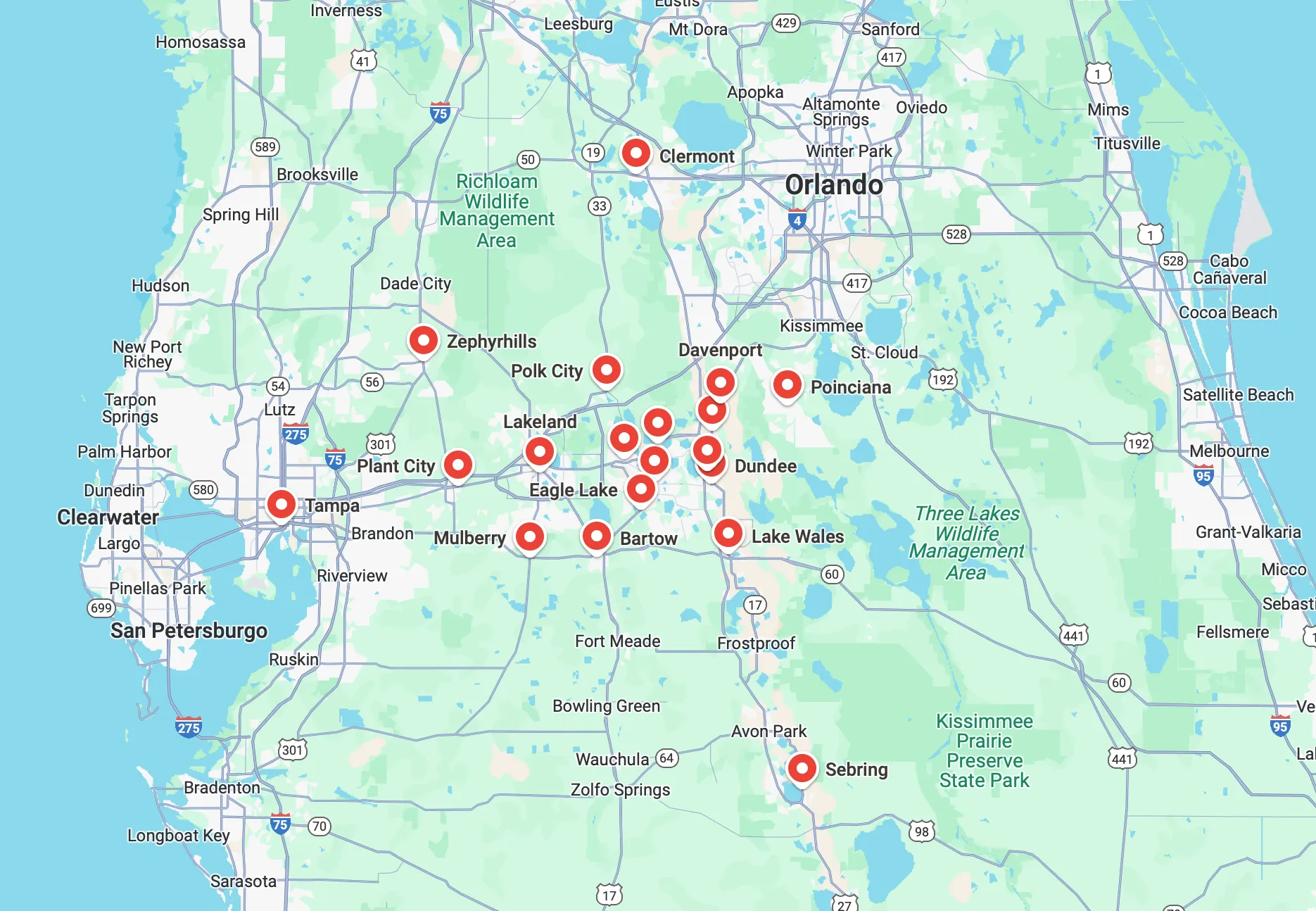
Service Areas